The Complete Cigar Accessories Checklist: Starter to Luxury
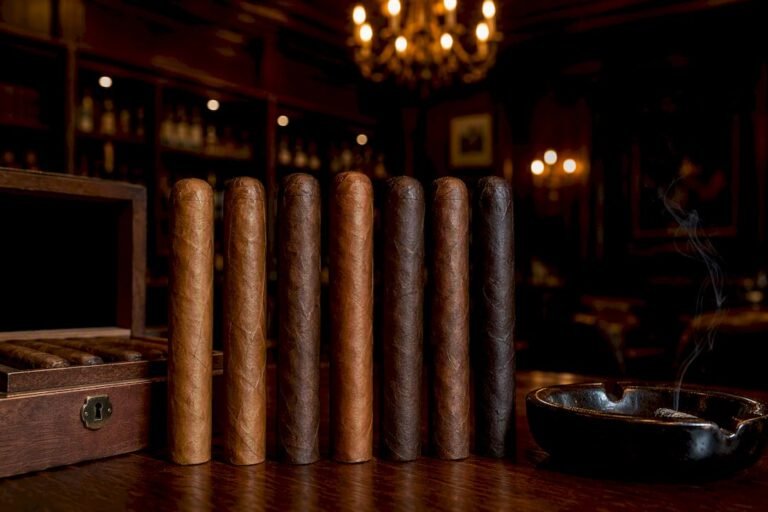
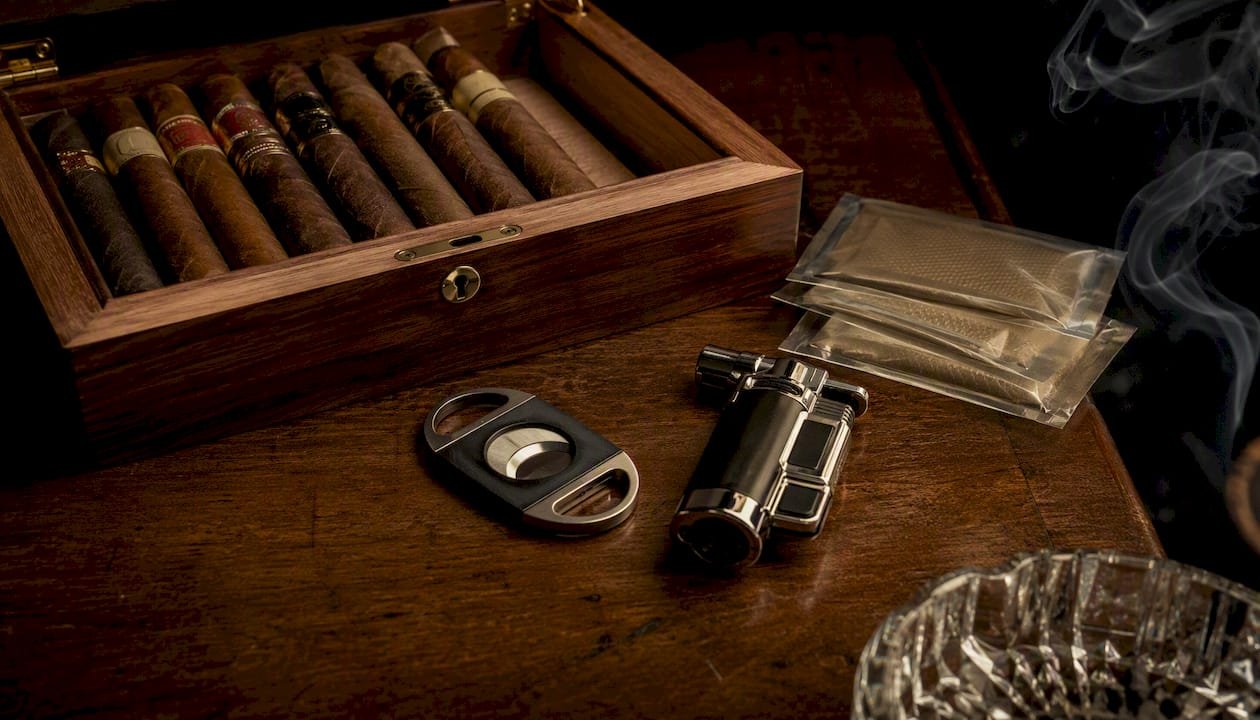
Every cigar you smoke is only as good as the tools you use to store, cut, and light it. The four items you need before anything else: a humidor, a quality cutter, a butane torch lighter, and humidity control using a hygrometer. Get those four right and your cigars stay in prime condition from the moment they arrive to the last draw. According to editorial guides from JustLuxe, the humidor is the single highest-priority purchase for any regular smoker.
Once those bases are covered, your next buys are a dedicated ashtray, a travel case, a digital hygrometer upgrade, and a draw tool for the occasional plugged stick.
Quick safety note: Always cut away from your fingers and keep torch lighters away from flammable materials. A quality torch can reach temperatures that ignite fabric instantly.
Budget bookmark: A solid starter kit runs $75–$150. Intermediate setups with a better humidor and a premium cutter land in the $150–$300 range, per Popular Mechanics’ price-bucketed roundup.
- Must-own now: Humidor, double-blade guillotine cutter, butane torch lighter, Boveda humidity packs, digital hygrometer
- Buy next: Ashtray, travel case or travel humidor, draw tool
- Add later: Premium table lighter, crystal ashtray, carbon-fiber case, smart hygrometer, cabinet humidor
Key Takeaways
A humidor, a double-blade guillotine cutter, a butane torch lighter, and Boveda humidity packs form the non-negotiable foundation of any cigar setup, with everything else building on that base.
| Point | Details |
|---|---|
| Start with four essentials | Humidor, cutter, butane torch lighter, and Boveda packs cover every functional need from day one. |
| Humidity control is the priority | Boveda packs plus a calibrated digital hygrometer keep cigars at 65–72% RH reliably. |
| Season before you store | New Spanish cedar humidors need 24–72 hours of seasoning; acrylic and tupperdors skip this step entirely. |
| Upgrade when habits justify it | Move to a cabinet humidor, smart hygrometer, or premium cutter once you smoke weekly or age limited editions. |
| Thor’s Cigar Vault | Carries curated humidors, cutters, cases, and premium cigars with a first-order discount for new subscribers. |
Table of Contents
- Your cigar accessories checklist: the essentials explained
- Upgrades and luxury accessories worth adding later
- How to choose the right version of each accessory
- Care and maintenance checklist for your accessories
- Recommended starter kits and curated picks
- Starter vs. upgrade: a side-by-side layout
- Safety tips for lighters and cutters
- What most buyers get wrong about building a kit
- Thor’s Cigar Vault has the accessories to complete your kit
- Sources
- FAQ
Your cigar accessories checklist: the essentials explained
These are the items that directly affect whether your cigars survive storage and smoke well. Skipping any one of them costs you in wasted cigars.
Humidor
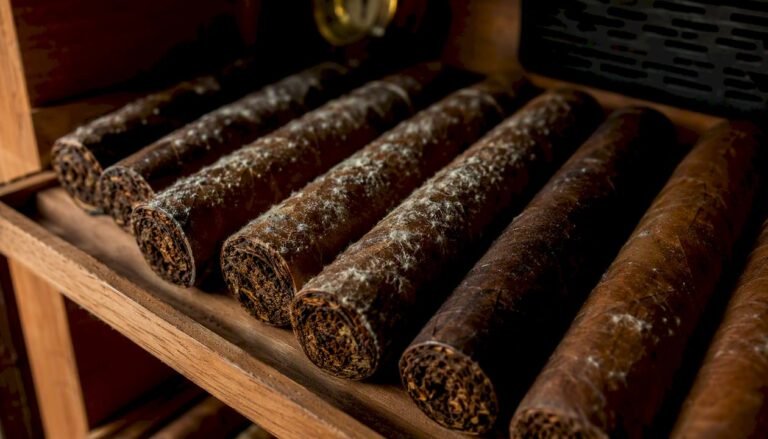
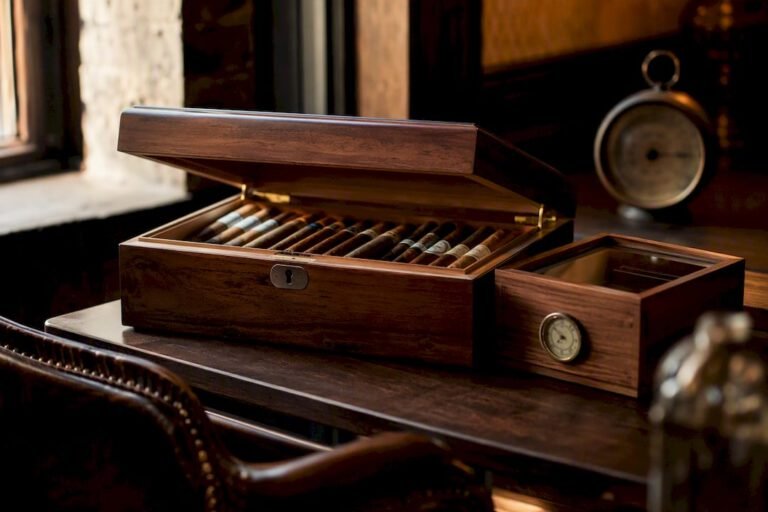
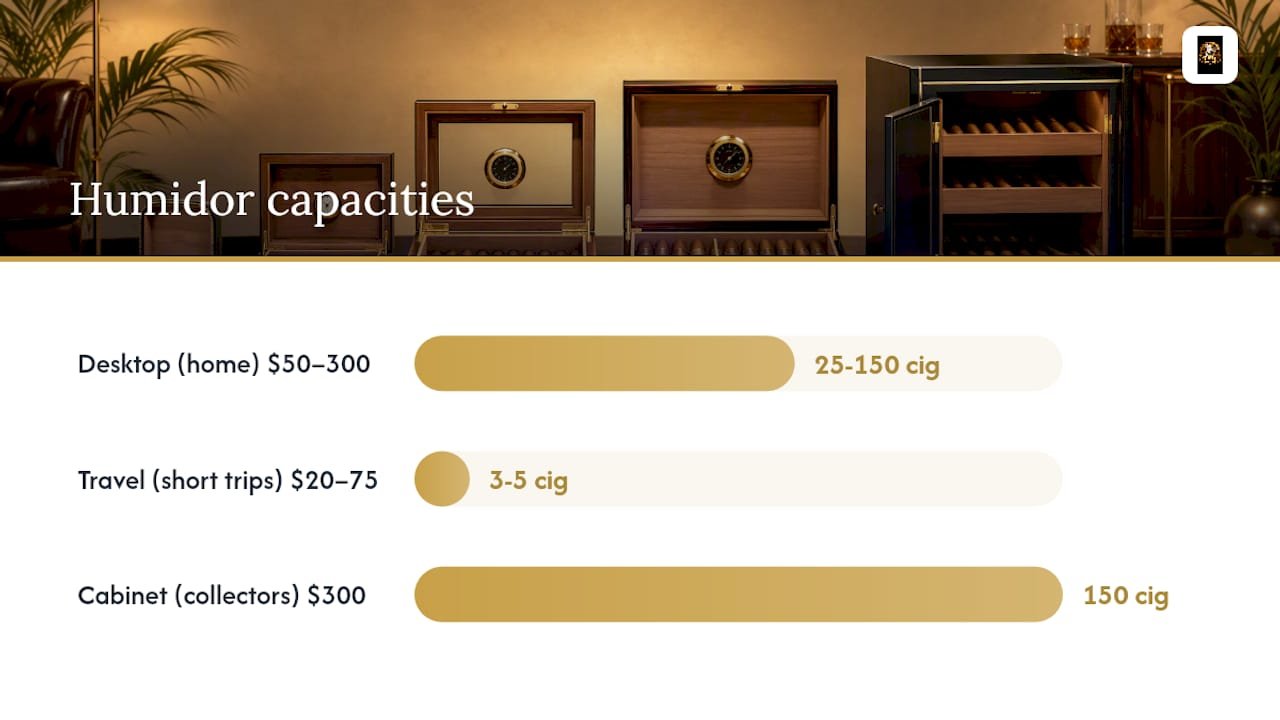
A humidor’s job is to hold your cigars at 65–72% relative humidity (RH) and 65–70°F. Outside that window, wrappers crack, tobacco dries out, or mold appears. Three main types cover most needs:
| Type | Capacity | Best For | Approx. Price |
|---|---|---|---|
| Desktop (Spanish cedar) | 25–150 cigars | Home storage, daily smokers | $50–$300 |
| Travel humidor | 3–5 cigars | Short trips, weekend travel | $20–$75 |
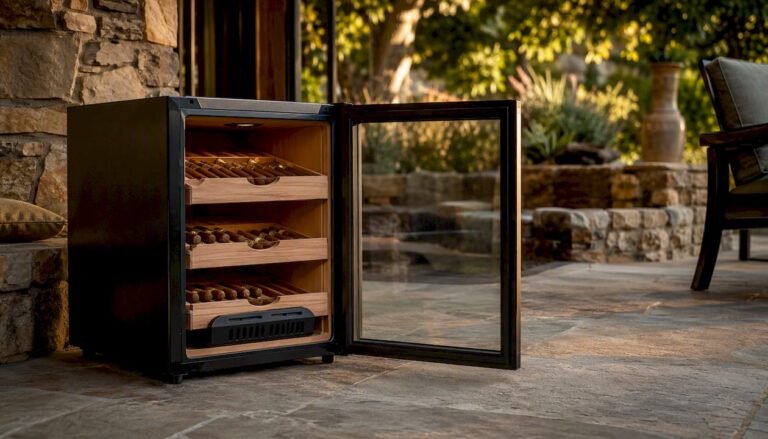
| Cabinet humidor | 150 cigars | Collectors, aging large quantities | $300 |
Overpacking restricts airflow and creates humidity dead zones. A humidor with moderate capacity is practical for anyone smoking cigars regularly.
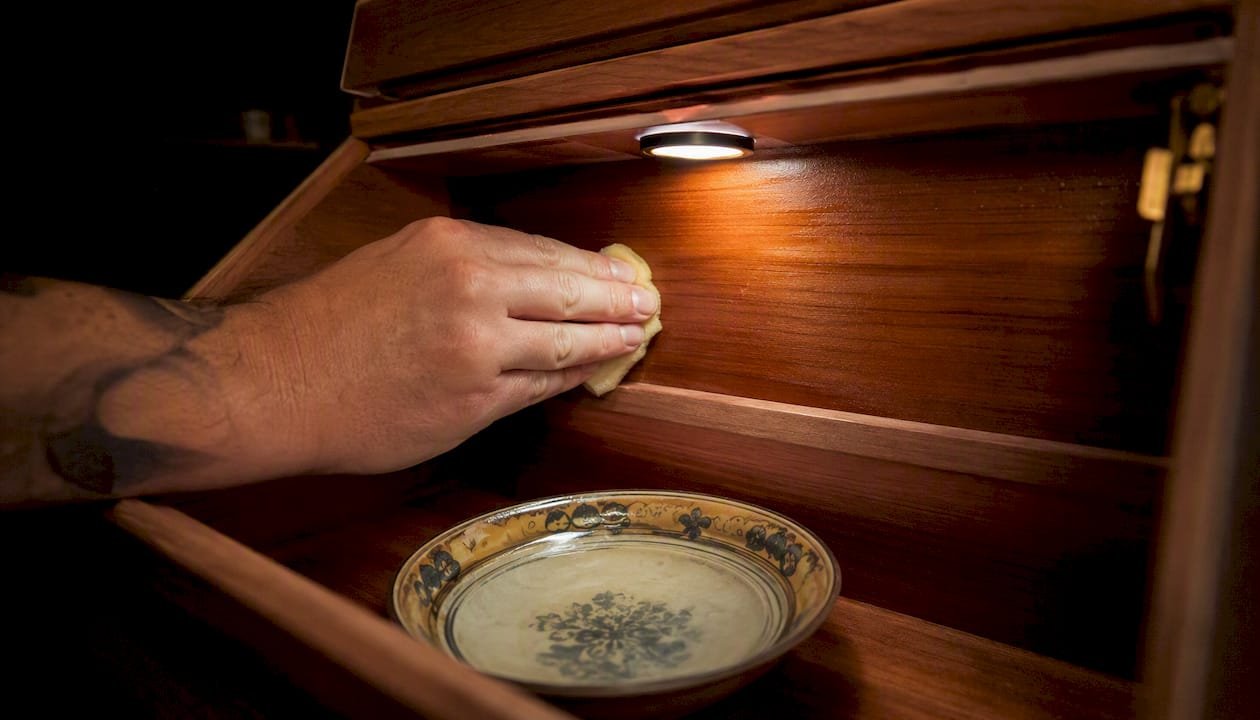
Seasoning: New Spanish cedar humidors must be seasoned before use. Unseasoned wood will pull moisture directly from your cigars. The process takes 24–72 hours and involves wiping the interior with distilled water, placing a small dish of distilled water inside, and letting the wood absorb moisture gradually. If you want to skip this entirely, an acrylic humidor or a food-grade plastic tupperdor requires no seasoning and holds humidity just as reliably.
Humidification and hygrometers
Two-way humidity packs, most commonly Boveda, are the easiest starting point. They absorb excess moisture when humidity climbs and release it when it drops, requiring no maintenance beyond replacement every 2–3 months. Stogie Spot recommends Boveda 65% packs for starters and higher percentages (69–72%) for long-term aging.
Silica bead systems and crystal gel jars are alternatives. Beads are reusable and can be recharged with distilled water, but they require periodic attention. Crystal gel jars work similarly. For beginners or anyone who travels frequently, Boveda’s set-and-forget approach wins on convenience. Teach Me Cigars notes that Boveda packs reduce maintenance burden significantly compared with gel systems.
A digital hygrometer is your verification tool. Even with Boveda packs, you want a number to look at. The Caliber IV is a widely trusted, affordable model. To calibrate it, use the salt test: seal the hygrometer in a bag with a small container of saturated salt solution for 8–12 hours. Adjust the offset if it reads differently.
Cutters
The cut determines how air flows through the cigar. Three cuts, three different experiences:
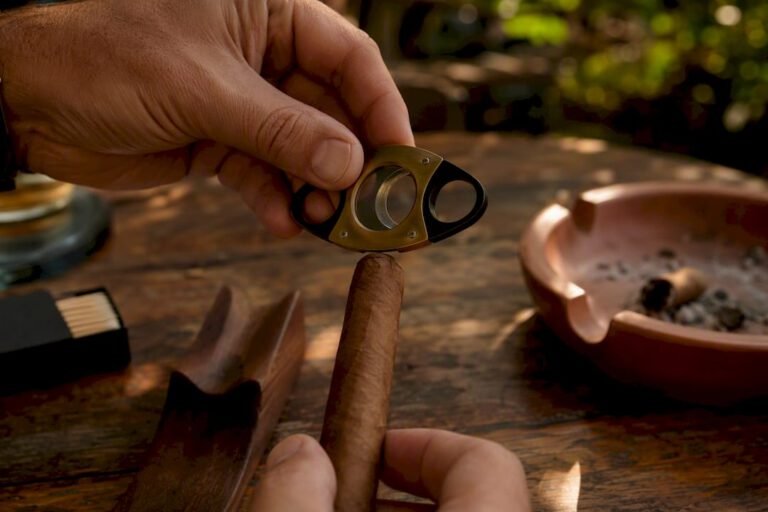
Double-blade guillotine is the all-around standard. It cuts cleanly from both sides simultaneously, minimizing wrapper damage. A stainless-steel double-blade from a manufacturer like XIKAR or Colibri, backed by a lifetime warranty, delivers clean cuts for years. This is the one to buy first.
V-cut (cat’s eye) concentrates airflow through a wedge-shaped channel, intensifying flavor and producing a tighter draw. It works best on parejos (straight-sided cigars) and is a great second cutter to own.
Punch cutter removes a small circular plug from the cap, giving the smallest and most controlled aperture. It’s compact enough to hang on a keychain and works well for Robustos and Coronas. It does not work on figurados (tapered heads).
Avoid any cutter with plastic blades or a loose hinge. A dull blade crushes the cap instead of cutting it, unraveling the wrapper and ruining the draw before you’ve even lit up.
Lighters
Butane torch lighters are the practical standard for cigar smoking. They produce a clean, odorless flame that won’t contaminate the tobacco’s flavor, and they perform in wind. Stogie Spot’s beginner guide recommends single- or double-jet torches for everyday carry and triple or quad jets for desktop use, where a wider flame toasts the foot more evenly.
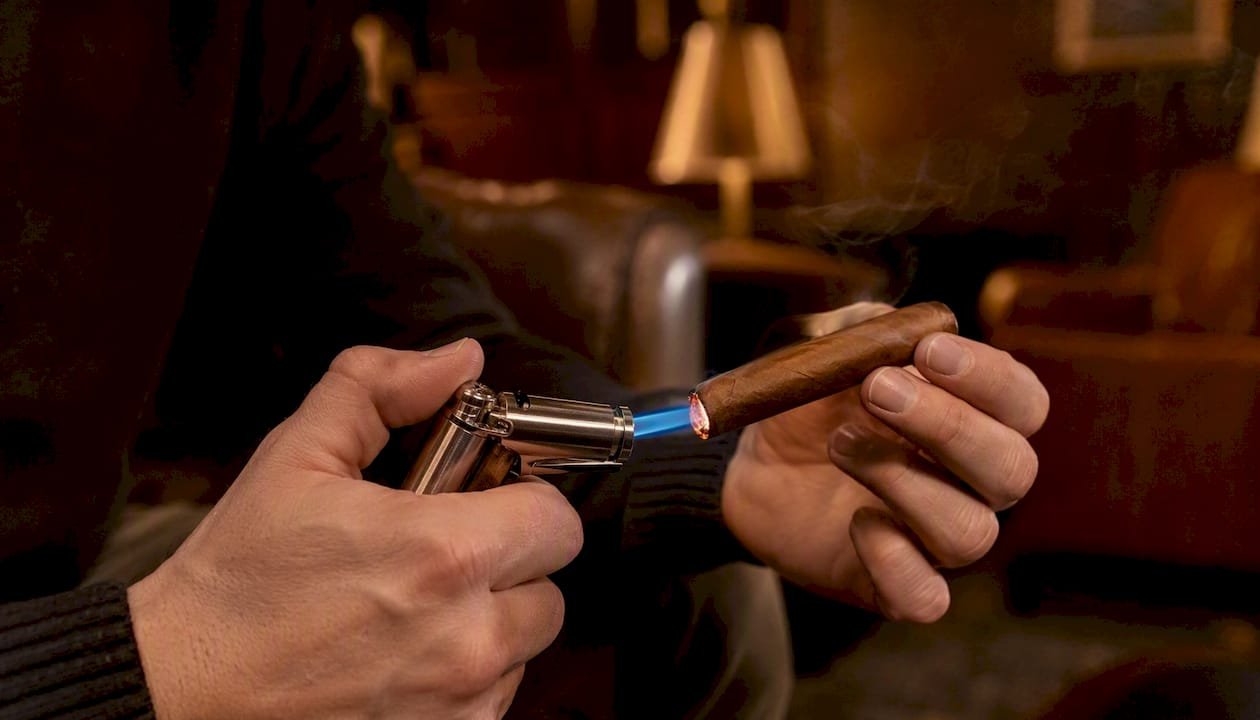
Soft-flame lighters and cedar matches are legitimate alternatives for indoor use. They require more patience to toast the foot evenly, but purists argue they’re gentler on delicate wrappers. Avoid fluid-based lighters (Zippo-style) entirely: the petroleum fluid leaves a taste.
Maintenance: Purge your torch lighter before every refill by pressing the fuel valve with a small tool until the hissing stops. This clears air pockets that cause sputtering. Use premium triple-refined butane to avoid clogging the jets. Flint replacement on most quality lighters takes under a minute. Look for lighters with a visible fuel window and user-serviceable internals, per XIKAR’s maintenance guidance. Sealed units with no service path are a false economy.
Ashtrays and cigar rests
A cigar-specific ashtray has deep, wide channels (at least 1.5 inches across) to hold a 54-ring-gauge cigar without tipping. Standard cigarette ashtrays are too narrow. Ceramic and crystal ashtrays are the most practical: they don’t absorb odor, clean easily, and don’t transfer heat. Avoid thin metal ashtrays that heat up and make the resting cigar burn unevenly.
Travel protection
For trips under a week, a leather or carbon-fiber cigar case holding 3–5 cigars is enough. It protects against physical damage and minor humidity swings. For longer trips or humid climates, a travel humidor with a built-in humidification system is worth the extra bulk. The key difference: a case protects against crushing; a travel humidor protects against both crushing and humidity shock.
It adds almost no weight and keeps your cigars stable for 3–5 days without any other system.*
Upgrades and luxury accessories worth adding later
Once your starter setup is dialed in, these additions improve the experience in ways that are genuinely noticeable, not just aesthetic.
- Premium Spanish cedar humidor with a quality seal: Look for a tight-fitting lid, a solid hygrometer mount, and a divider tray. The seal test is simple: close the lid and listen for a slight “whoosh” of air resistance. No resistance means no seal.
- High-end table lighter (Prometheus, XIKAR, Colibri): Triple or quad-jet flame, adjustable flame height, and a large fuel reservoir. These sit on a desk and last years with basic maintenance.
- Carbon-fiber cigar case: Lighter and more impact-resistant than leather. The Arturo Fuente Opus X 20th Anniversary Carbon Fiber Cigar Case is a strong example of what a premium travel case looks like at the collector level.
- Designer or precision cutter: Brands like XIKAR offer lifetime warranties and surgical-grade stainless blades. A well-made guillotine with a solid hinge is a lifetime tool.
- Smart hygrometer (SensorPush, Govee): Bluetooth-connected units log humidity and temperature over time, send alerts when conditions drift, and let you monitor your humidor remotely. Useful for cabinet humidors or anyone aging cigars for 6+ months.
- Crystal ashtray: Heavier, more stable, and easier to clean than ceramic. The weight keeps it from tipping on a table.
- Draw tool (PerfecDraw-style): Not glamorous, but genuinely useful. A draw tool loosens a plugged or tight filler without damaging the wrapper. Keep one in your humidor.
- Cabinet humidor: The right buy when you’re storing more than 150 cigars regularly or aging limited-edition sticks like the Arturo Fuente FFOX Opus X Perfecxion 4 5 pack, where storage quality directly affects long-term value.
When to buy upgrades: The practical triggers are consistent smoking (more than 3–4 cigars a week), frequent travel, aging cigars beyond 6 months, or starting to collect limited editions. If none of those apply yet, the starter setup is all you need.
How to choose the right version of each accessory
The decision isn’t just price. It’s price relative to how you actually smoke.
| Accessory | Starter Pick | Intermediate Pick | Collector Pick |
|---|---|---|---|
| Humidor | Acrylic/tupperdor, 25–50 ct | Spanish cedar desktop, 50 ct | Cabinet, 150+ ct with hygrometer |
| Cutter | Single-blade guillotine | Double-blade stainless (XIKAR, Colibri) | Precision double-blade, lifetime warranty |
| Lighter | Single-jet butane torch | Double-jet with fuel window | Triple/quad-jet table lighter |
| Humidity | Boveda 65% packs | Boveda + digital hygrometer | Smart hygrometer + bead system |
| Ashtray | Ceramic, 2-cigar rest | Deep ceramic or stone | Crystal, weighted |
| Travel | Leather 3-cigar case | Carbon-fiber case + Boveda | Travel humidor, 3–5 cigar capacity |
Red flags to avoid: Plastic blades on cutters (they dull immediately), non-replaceable flints on lighters, humidors with no seal or a foam humidifier glued to the lid, and any hygrometer that can’t be calibrated or adjusted. A humidor sold as “ready to use” with a cheap analog hygrometer and a green foam humidifier is the single most common beginner mistake. The foam humidifier oversaturates, the analog hygrometer reads inaccurately, and cigars end up moldy or bone dry within weeks.
One-paragraph selection checklist: Before buying any accessory, ask: Does it have the capacity I need now plus 25% more? What is it made of, and will that material hold up to daily use? Can I service or replace the parts that wear out? Does it come with a warranty, and is the manufacturer reachable? Does it fit how I actually smoke — at home, traveling, or both? If you can answer all five questions confidently, buy it.
Care and maintenance checklist for your accessories
Seasoning a new humidor
- Wipe the interior walls and trays with a clean cloth dampened with distilled water. Never use tap water; minerals leave deposits and promote mold.
- Place a small, shallow dish of distilled water inside on a folded paper towel (to protect the cedar).
- Close the lid and leave it for 24 hours.
- Check the hygrometer. If RH is below 65%, repeat the process for another 24 hours.
- Once RH holds steady at 65–70% for 12 hours with no water dish, remove the dish and add your Boveda packs.
- Wait another 24 hours before loading cigars.
Calibrating your hygrometer
The salt test is the standard method. Place a bottle cap filled with table salt and a few drops of water (not dissolved — just damp) inside a sealed zip-lock bag with the hygrometer. Note the offset and apply it to every future reading.
Cutter and lighter maintenance
Clean cutter blades monthly with a dry cloth or a cotton swab with a small amount of rubbing alcohol. Never submerge a cutter in water. If the blades feel sticky, a drop of food-grade mineral oil on the hinge restores smooth action. XIKAR’s tool catalog lists replacement blades and maintenance kits for most of their models.
For lighters: purge before every refill, refill with triple-refined butane, and let the lighter sit for 2 minutes after filling before igniting (butane needs to reach room temperature). Replace flints when the spark weakens. Adjust the flame height with a small flathead screwdriver on the fuel valve.
Quick troubleshooting
- Plugged cigar / tight draw: Use a draw tool to gently loosen the filler. If you don’t have one, a thin wooden skewer works in a pinch — insert slowly and rotate.
- Uneven burn: Toast the foot more evenly before lighting. Rotate the cigar while lighting to heat the entire circumference.
- Cigars drying out: Check your Boveda packs. If they feel hard and brittle, they’re spent. Replace them. Also verify the humidor seal.
- Humidifier failure (gel or bead system): Recharge beads with distilled water. If a gel jar has dried solid, it’s past its useful life. Replace it or switch to Boveda packs.
- Lighter won’t ignite: Purge the tank fully, refill with fresh butane, and replace the flint. If it still won’t light, the jet may be clogged. Use a can of compressed air to clear it.
Recommended starter kits and curated picks
Building a kit by budget makes the decision straightforward. These tiers reflect what Popular Mechanics’ accessory roundup and Teach Me Cigars’ tiered guide consistently recommend as practical entry points.
This covers every functional need for a casual smoker.
$150–$300: Spanish cedar desktop humidor (50–75 ct), Boveda packs plus a digital hygrometer (Caliber IV or equivalent), a double-blade stainless guillotine with a lifetime warranty, a double-jet torch lighter with a visible fuel window, and a ceramic ashtray. This is the setup most regular smokers land on and stay with for years.
$300+: A quality cabinet or large desktop humidor, a smart hygrometer, a triple-jet table lighter, a precision cutter, a carbon-fiber travel case, and a draw tool. At this level, you’re protecting a real investment in cigars.
Thor’s Cigar Vault carries a curated selection of accessories alongside premium cigars, including the Raching RR780 Havana Tan humidor for collectors who want a display-worthy storage solution that performs at the cabinet level.
Pro Tip: Don’t buy everything at once. Start with the humidor and humidity control, then add the cutter and lighter. Once you know how often you smoke and what ring gauges you prefer, the right ashtray and travel case become obvious choices rather than guesses.
Starter vs. upgrade: a side-by-side layout
The simplest way to see where you stand:
Starter essentials (own these first):
- Spanish cedar or acrylic humidor, 25–75 ct
- Boveda 65–69% humidity packs
- Digital hygrometer
- Double-blade guillotine cutter
- Single or double-jet butane torch lighter
- Ceramic ashtray
Upgrade picks (add when your smoking habits justify it):
- Cabinet or large desktop humidor with a tight seal
- Smart Bluetooth hygrometer
- Triple-jet or quad-jet table lighter
- Precision cutter with a lifetime warranty
- Carbon-fiber travel case
- Draw tool
- Crystal ashtray
The dividing line is frequency and investment. If you’re smoking a few cigars a month and spending under $15 per stick, the starter list covers everything. Once you’re smoking weekly, aging cigars, or buying limited editions, the upgrade list starts paying for itself in protected inventory.
Safety tips for lighters and cutters
Butane torch lighters produce a concentrated flame that can reach over 2,500°F. Keep them pointed away from your face when igniting, and never operate one near aerosol cans, paper, or fabric. Store them upright in a cool, dry place. Butane canisters under pressure can rupture if left in a hot car or direct sunlight.
When cutting, always use a sharp blade. A dull cutter requires more force, which increases the chance of the cigar slipping. Hold the cigar firmly, position the cap just inside the blade, and cut with one quick, decisive motion. Never cut toward your fingers or palm. For punch cutters, apply steady pressure and rotate slightly as you remove the plug.
Keep all lighters and cutters out of reach of children. Butane lighters are not child-resistant by design. A lockable humidor or a high shelf is the practical solution.
What most buyers get wrong about building a kit
The conventional wisdom says buy a nice humidor first, then fill it. That’s mostly right, but it misses a critical nuance: the humidor is only as good as the humidification system inside it. A $200 Spanish cedar box with a cheap foam humidifier and an uncalibrated analog hygrometer will ruin cigars faster than a $30 tupperdor with two Boveda packs and a $15 digital hygrometer.
The cutter is the most underrated first purchase. A bad cut ruins a cigar before the lighter even comes out. A quality double-blade guillotine with stainless blades and a solid hinge, backed by a lifetime warranty, is a one-time buy that improves every smoke you have for years. Buy the best cutter you can afford first, then a reliable torch, then focus on storage.
The other mistake is buying luxury items before understanding your own habits. A $400 cabinet humidor is a poor investment if you smoke two cigars a month. Wait until you know your cadence, your preferred sizes, and whether you travel with cigars regularly. That knowledge turns what would have been an impulse purchase into an obvious, well-timed upgrade.
Thor’s Cigar Vault has the accessories to complete your kit
The right accessories protect every dollar you spend on premium cigars. Thor’s Cigar Vault carries humidors, cutters, lighters, and travel cases alongside a curated selection of premium and limited-edition cigars, so you can build a complete kit in one place without hunting across multiple retailers.

Whether you’re assembling a starter setup or adding a collector-grade travel case like the Arturo Fuente Opus X Carbon Fiber Cigar Case, every product at Thor’s Cigar Vault is hand-selected for quality and authenticity. You must be of legal smoking age in your state to purchase. Browse the full accessories and cigar shop to find your next addition.
Sources
- Essential Cigar Accessories Every Aficionado Should Own – JustLuxe
- Best Accessories for Cigar Lovers—Aficionado Guide 2025 | Popular Mechanics
- The Best Cigar Accessories for Beginners — A Complete Starter Guide | Stogie Spot
- Best Cigar Accessories 2026 | Teach Me Cigars
- PubMed indexed study (tobacco-related health research)
FAQ
What are the essential cigar accessories?
The four non-negotiables are a humidor, a quality cutter, a butane torch lighter, and a humidity control system (Boveda packs plus a digital hygrometer). An ashtray rounds out the practical starter kit.
What are some cool accessories to add after the basics?
A carbon-fiber travel case, a smart Bluetooth hygrometer, a triple-jet table lighter, and a draw tool are the most functional upgrades. A crystal ashtray and a precision lifetime-warranty cutter are the most satisfying.
What are the must-haves for a cigar room?
A cabinet humidor with a reliable seal, a smart hygrometer for remote monitoring, a dedicated table lighter, a large crystal or ceramic ashtray, and a comfortable chair with good ventilation. Proper airflow matters as much as the accessories.
Is smoking two cigars a week considered moderate use?
Frequency alone doesn’t determine risk. Peer-reviewed research documents health risks associated with all tobacco use, including cigars. This article covers accessories, not medical guidance. Consult a healthcare professional for advice specific to your situation.
How often should Boveda packs be replaced?
Boveda packs typically last 2–3 months in a well-sealed humidor. When a pack feels stiff or completely rigid, it’s spent. Replace it promptly to avoid humidity swings that dry out or over-humidify your cigars.