
Is Cigar Investing a Realistic Way to Grow Wealth?
Yes, cigar investing can work, but only under narrow conditions: selective buying, documented provenance, disciplined storage, and a holding period measured in years, not months. This isn’t a “buy anything Cuban and wait” game anymore. Steep price increases and a fragmented secondary market have made the old buy-and-hold approach far less reliable than it was a decade ago.
Two forces still drive real value. Scarcity from limited runs, discontinued vitolas, and regional exclusives pushes prices up when demand holds. Storage discipline protects what you paid for, since Habanos S.A. itself recommends 16 to 18°C and 65 to 70% relative humidity for cigars meant to age well past a decade.
- Verdict: viable for patient, detail-oriented buyers, not casual smokers looking for quick flips.
- Requires: selective purchasing, provenance records, climate-controlled storage, multi-year horizon.
Thor’s Cigar Vault carries limited-edition and boutique releases with the documentation collectors need to start building a defensible position, not just a stash of nice smokes.
Key Takeaways
Cigar investing works only when scarcity, documented provenance, and disciplined climate control combine over a multi-year holding period.
| Point | Details |
|---|---|
| Verdict on viability | Realistic for patient, detail-oriented collectors, not for quick flips or casual buyers. |
| Storage standard | Hold cigars at 16 to 18°C and 65 to 70% RH for long-term aging, per Habanos guidance. |
| Buy boxes, not singles | Sealed boxes preserve provenance and improve per-stick economics over loose sticks. |
| Documentation matters | Receipts, photos, and humidity logs materially raise realized resale and auction prices. |
| Where to start | Thor’s Cigar Vault offers curated, documented limited editions like Opus X and Illusione ONEOFF for new collectors. |
Table of Contents
- Quick Checklist for Cigar Investing Decisions
- What Drives Collectible Cigar Value?
- What to Look for When Buying Investment-Grade Cigars
- How Do You Calculate Cigar Investment Returns?
- Storage Rules That Actually Preserve Value
- Provenance, Authentication, and Planning Your Exit
- Building a Conservative Cigar Investment Strategy
- A 90-Day Starter Plan for New Cigar Investors
- Why We Curate Rather Than Stockpile
- Ready to Start Your Cigar Collection the Right Way
- Sources
- FAQ
Quick Checklist for Cigar Investing Decisions
Before you spend real money, run through five questions honestly.
- Time horizon: Can you leave a box untouched for 5 to 15 years?
- Budget: Are you buying with money you won’t need back on short notice?
- Storage plan: Do you have a dedicated humidor or cold-aging cabinet, not a kitchen cabinet with a sponge?
- Liquidity tolerance: Can you accept that selling might take months and won’t always hit your target price?
- Documentation habit: Will you actually keep receipts, photos, and humidity logs?
Pro Tip: Buy one sample stick before committing to a full box of anything new. A blend that reviews well on paper can still disappoint your palate, and resale value means little if you can’t stand behind the cigar yourself.
Red flags that should stop you before you start: no reliable climate control, no willingness to keep paperwork, or resistance to paying ongoing storage and insurance costs. Those aren’t optional extras. They’re the difference between an investment and an expensive drawer of tobacco.
What Drives Collectible Cigar Value?
Three forces combine to set the ceiling on what a box can eventually fetch: scarcity comes first—limited production runs, regional editions, discontinued vitolas, and numbered boxes all shrink supply in ways that are visible and verifiable.
Demand signals matter just as much. Strong editorial scores, a devoted collector following, and realized secondary-market prices tell you whether people are actually paying up for a release, not just talking about it online. Distribution also shapes price. Allocation limits, retailer caps, and lottery-style drops create the kind of artificial friction that collectors chase.
An annual limited release paired with strong reviewer acclaim can see resale premiums appear within months of release, before the cigars have even had time to age meaningfully. That’s a distribution effect, not an aging effect, and it’s worth knowing the difference before you assume every markup reflects genuine tobacco quality.
- Scarcity: limited runs, regional exclusives, numbered boxes.
- Demand: editorial scores, auction results, collector reputation.
- Distribution: allocations, retailer limits, lottery drops.
What to Look for When Buying Investment-Grade Cigars
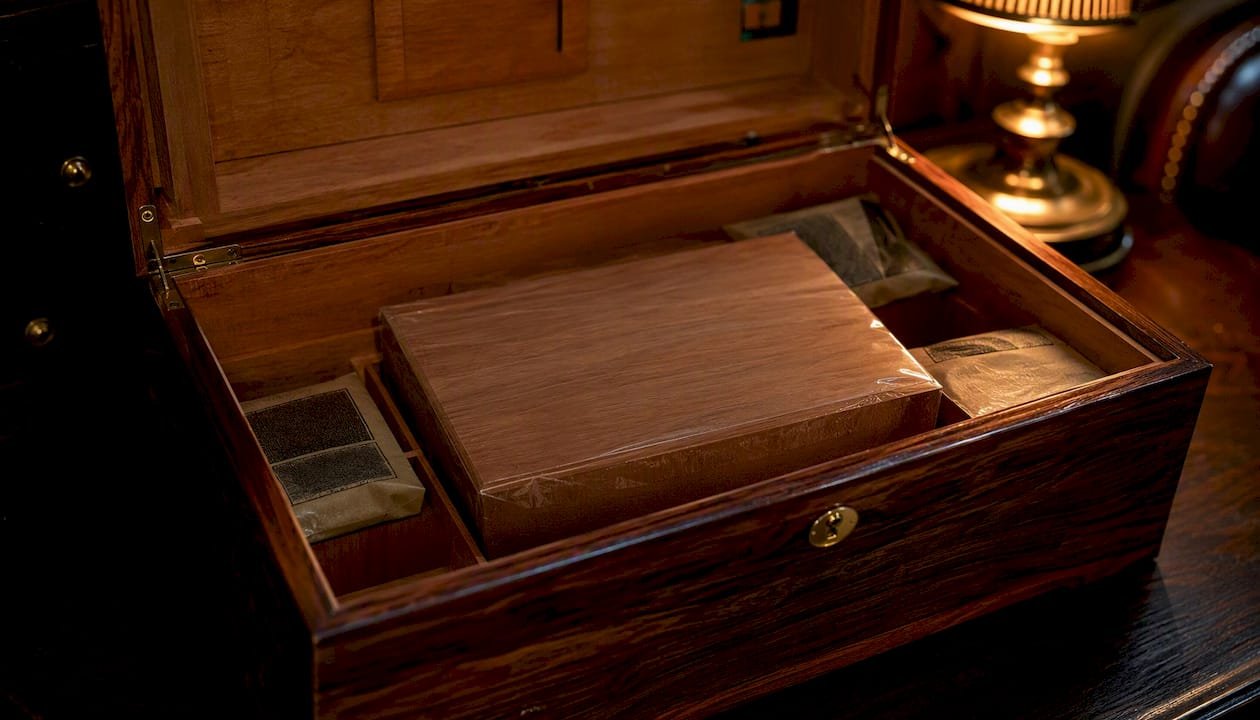
The signals that separate an investment-grade box from a nice smoke are specific and checkable. Look for a genuinely limited edition with a stated production run, an original sealed box with intact factory codes, and a seller who can document where the box has been since it left the factory.
Certain releases have built track records worth studying. Select Arturo Fuente Opus X limited runs carry strong secondary demand thanks to decades of scarcity and brand loyalty. Illusione ONEOFF numbered releases appeal to collectors who track boutique output closely. Black Label Trading Co. Super Deluxe cigars draw attention from buyers who follow smaller-batch American blenders, and Artesano Del Tobacco El Pulpo limited runs have developed a following among collectors hunting less mainstream boutique names.
Buy boxes, not singles, whenever the budget allows. A sealed box preserves provenance in a way loose sticks never can, and the per-stick economics usually work out better too.
Pro Tip: Photograph the box, seals, and factory codes the day it arrives. That timestamp becomes part of your provenance file the moment you decide to sell.
A box with intact seals, verified factory codes, and a documented chain of custody will consistently outsell an identical but undocumented lot at auction. Buyers pay for certainty as much as for tobacco.
How Do You Calculate Cigar Investment Returns?
Per-stick pricing hides costs that per-box math exposes. A box of 20 at $400 MSRP works out to $20 a stick before you’ve spent a dime on storage, insurance, or eventual selling fees.
Run the numbers before buying, not after:
- Start with the box price at MSRP, not marked-up retail.
- Add annual storage costs: humidor maintenance, hygrometers, or a cold-aging cabinet’s electricity draw.
- Add insurance if the collection’s replacement value justifies it.
- Subtract expected marketplace or auction fees, which commonly run in the 10 to 20% range depending on the venue.
- Compare the result against realized secondary-market prices for comparable releases, not asking prices.
A box that appreciates modestly can still lose money once fees and years of storage costs are subtracted. Boutique releases with strong editorial recognition tend to hold value better precisely because demand outpaces the slow bleed of carrying costs.
Storage Rules That Actually Preserve Value
Stability beats precision.
For everyday storage, aim for roughly 65 to 72% RH and 18 to 21°C. For long-term cold aging, Habanos S.A.’s own standard calls for 16 to 18°C at 65 to 70% RH, conditions that also happen to fall below the roughly 22°C threshold tobacco beetle larvae need to hatch.
- Quarantine every new purchase for two to three weeks before mixing it with existing stock.
- Never use a household refrigerator as a substitute for a proper cabinet; the humidity swings will wreck wrappers.
- Avoid over-humidifying past 72%, which invites mold rather than better flavor.
- Don’t mix young, strong cigars with delicate vintage stock in the same sealed space; flavors migrate.
Pro Tip: Two-way humidity packs, like Boveda’s 69% option, hold within about 1% of target RH and cut the maintenance burden dramatically for anyone not ready to invest in an active cooling cabinet.
Provenance, Authentication, and Planning Your Exit
Documentation is what turns a box of cigars into a defensible asset. Keep the original receipt, dated photos of the sealed box inside your humidor, a humidity log, and clear images of factory codes and warranty seals.
That paperwork isn’t busywork. Auction houses and specialist tobacconists report that documented chain of custody materially raises realized prices, because buyers pay a premium for certainty over a stranger’s word.
When it’s time to sell, you have three realistic paths. Specialist auction houses offer the strongest buyer trust and often the highest realized prices, though they take a commission and a longer timeline. Vetted online secondary marketplaces move faster but demand meticulous listings to earn buyer confidence. Private collector networks can produce good prices with no fees at all, but they depend entirely on your existing reputation and contacts.
- Keep receipts, box photos, and humidity logs from day one.
- Verify factory codes before buying and again before selling.
- Choose your sale channel based on speed needed versus price maximization.
Pro Tip: A one-page provenance sheet stapled to your sale listing, receipt copy, storage photos, and humidity log, often does more for your asking price than another week of haggling.
Building a Conservative Cigar Investment Strategy
Manage risk the way any collector with discipline does:
- Spread purchases across multiple brands and release types instead of concentrating on one line.
- Buy sealed boxes over loose singles wherever your budget allows.
- Document everything at the point of purchase, not months later.
- Set a realistic holding period of five years minimum before expecting meaningful appreciation.
New releases carry more risk and more upside; established collector favorites with strong realized secondary-market histories offer steadier, if less dramatic, returns.
A 90-Day Starter Plan for New Cigar Investors
Days 0 to 30: research three to five candidate releases, compare realized secondary prices, and buy one test box from a reputable retailer.
Days 31 to 60: set up proper storage (a quality humidor at minimum, a cold-aging cabinet if budget allows), start a humidity log, and begin your provenance file.
Days 61 to 90: sample one stick from your test box, log tasting notes, and decide whether to scale into a second box or a different release.
- Days 0-30: research and first purchase.
- Days 31-60: storage setup and documentation.
- Days 61-90: sampling, logging, and scaling decision.
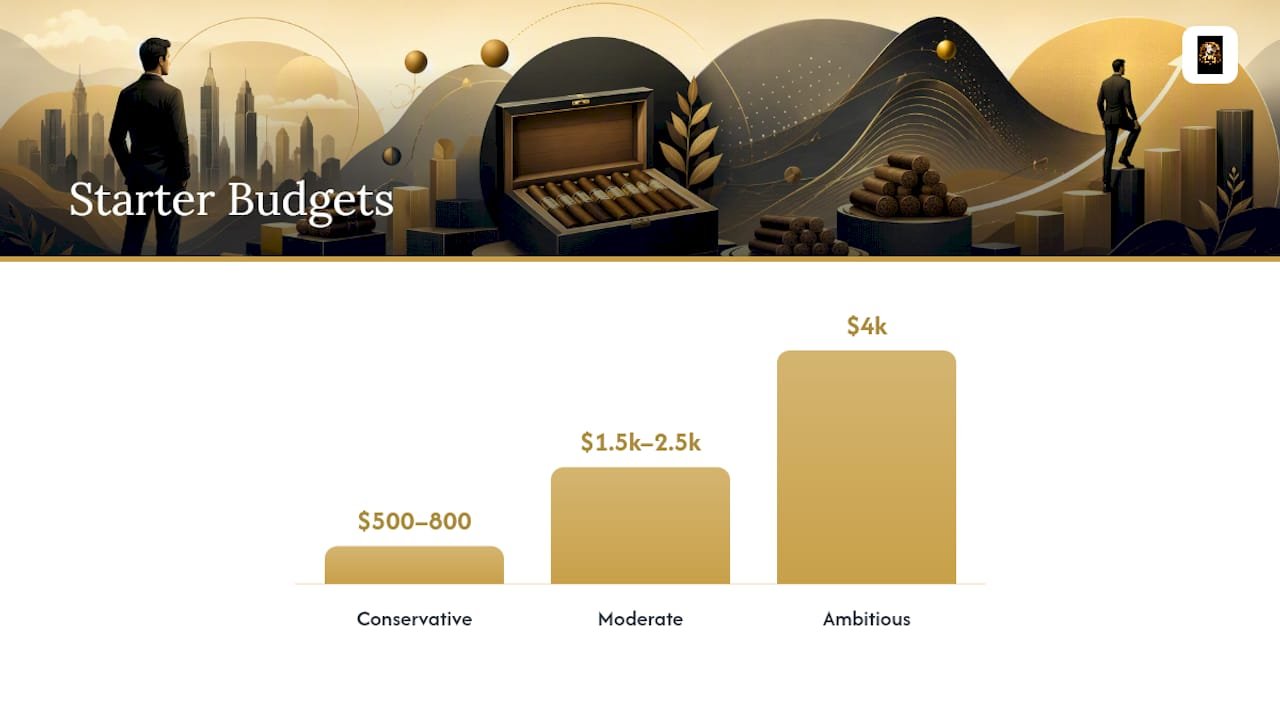
Budget scenarios for year one: conservative sits around $500 to $800 (one box plus a basic humidor and Boveda packs), moderate runs $1,500 to $2,500 (two to three boxes plus better storage), and ambitious starts near $4,000 with a cold-aging cabinet included.
Pro Tip: Don’t scale past one sealed box until your humidity log shows at least 60 days of stable readings. Consistency in your own logs is the best predictor of consistency in the box.
Why We Curate Rather Than Stockpile
Careful, documented collecting beats volume every time. That’s why Thor’s Cigar Vault focuses on curating limited runs with clear provenance rather than pushing every allocation we can get our hands on. We’d rather sell you one box you can document and defend than ten you can’t.
If you’re starting out, our curated collections are the place to build that first, well-documented position.
Ready to Start Your Cigar Collection the Right Way
Thor’s Cigar Vault stocks the limited runs and boutique releases this whole approach depends on, including boxes with the factory-code documentation and provenance trail that collectors and future buyers actually want to see.

New collectors can start small and smart. The Arturo Fuente FFOX Opus X Perfecxion 4 five-pack gives you a recognized name with real secondary demand at a manageable entry size. If you’d rather explore something less mainstream, the Illusione ONEOFF +53 Super Robusto is a numbered, boutique release built for exactly this kind of careful buying.
Browse the full shop and pick your test box today. Our return policy covers you if a release doesn’t meet expectations on arrival.
Sources
Readers who want to go deeper should start with Habanos S.A.’s own storage guidance for the definitive cold-aging standard, and Cigar Inspector’s market analysis for context on why broad collecting has gotten riskier.
- Keeping Habanos – Habanos, S.A. – Official site
- Cigar Library | Guides, Interviews & Expert Insights
- Cigar pricing & value guide
- Collecting Vintage Cigars: A Guide for the Serious Aficionado — TNext Cigar
For a cross-category view of how scarcity and provenance affect resale value in other collectibles, this sports card investing guide offers useful parallels. When selling, prioritize provenance-aware auction houses and dealers over anonymous marketplace listings.
This article is general information, not a substitute for advice from a qualified financial advisor. Consult a qualified financial professional about your own circumstances before acting on anything here.
FAQ
Is Cigar Investing Actually Profitable?
It can be, but only for selective buyers who document provenance, control storage, and hold for five or more years; broad, undisciplined collecting has gotten riskier as prices have climbed.
What Humidity Is Best for Long-Term Cigar Aging?
Habanos S.A.
Should I Buy Boxes or Individual Cigars for Investment?
Buy boxes whenever possible. Sealed boxes preserve provenance far better than loose singles and generally improve your per-stick cost economics.
Which Cigars Are Considered Good for Investment?
Limited runs from established names carry the strongest track records, including select Arturo Fuente Opus X releases, Illusione ONEOFF numbered editions, Black Label Trading Co. Super Deluxe cigars, and Artesano Del Tobacco El Pulpo limited runs.
Where Should I Buy Cigars if I Plan to Invest?
Choose retailers with a clear reputation, transparent return policy, and documentation practices; Thor’s Cigar Vault provides curated limited editions with the provenance support serious collectors need.