Wet, Spongy Cigars? How to Fix Over-Humidified Cigars Fast
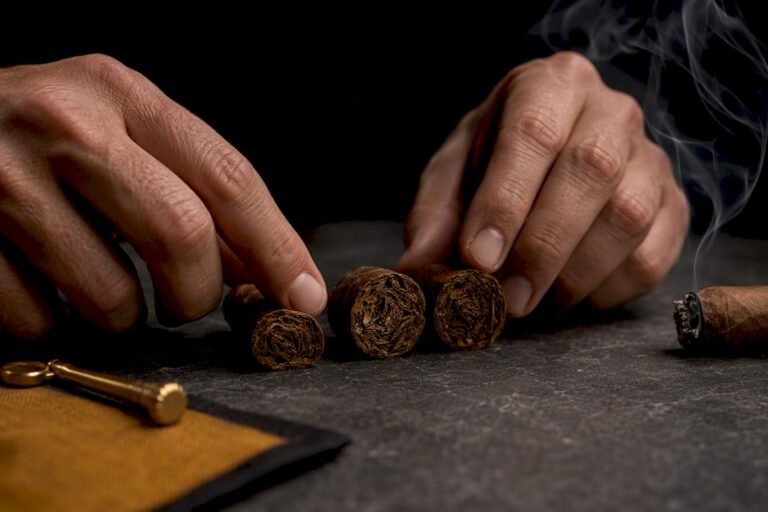
If your cigar feels spongy, the wrapper looks dark and slick, or the foot won’t take a light, it’s over-humidified. Stop adding moisture right now: pull the humidifier out of the humidor and move the suspect cigars into a separate, dry container. This is not a death sentence. Most soggy cigars recover fully with slow, controlled drying over one to two weeks.
Before you touch anything else, do these three things:
- Remove the humidification device from the humidor immediately.
- Isolate the wettest cigars away from the rest of your stock.
- Crack the lid for fresh air instead of sealing the box tighter.
Key Takeaways
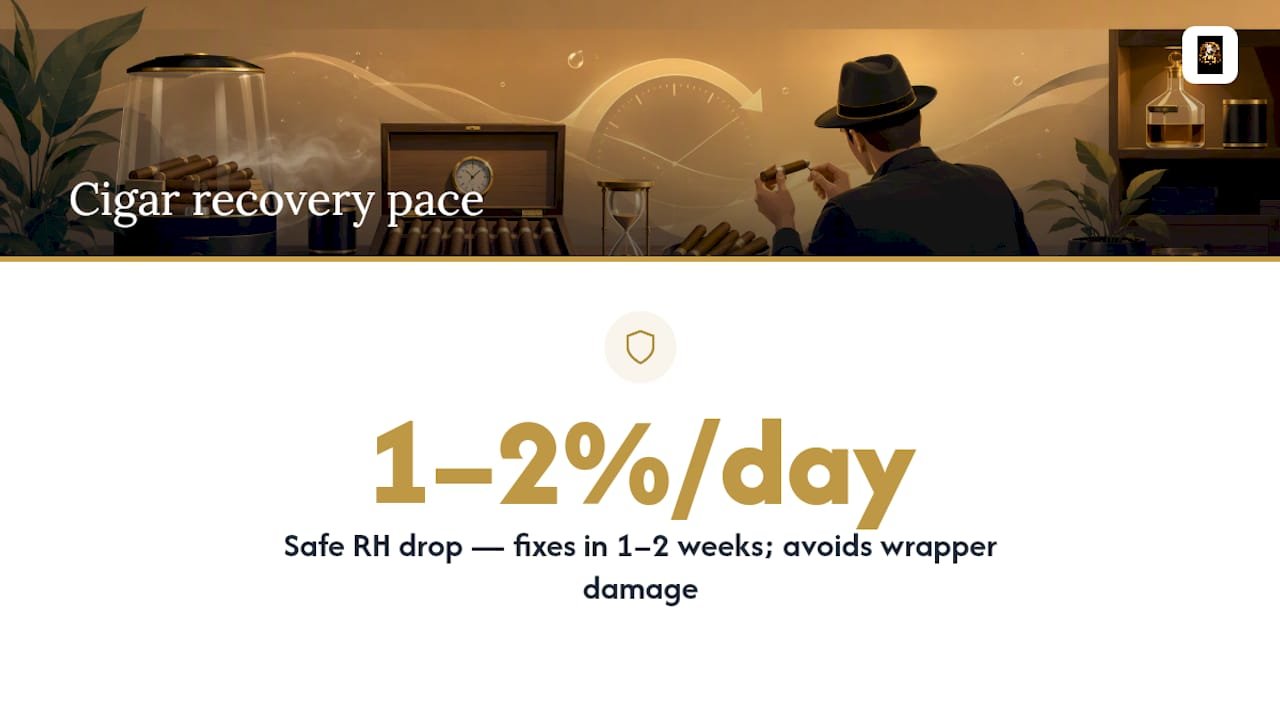
Fixing over-humidified cigars comes down to removing the moisture source immediately and drying them slowly, at roughly 1% to 2% relative humidity per day, while tracking progress with a calibrated hygrometer.
| Point | Details |
|---|---|
| Confirm before you act | Use the squeeze, look, cut, and smoke tests to distinguish over-humidified cigars from normal ones. |
| Drop humidity slowly | Target a 1% to 2% RH drop per day; recovery typically takes 5 to 14 days. |
| Never use heat or fans | Ovens, heat lamps, and refrigerators strip flavor oils and crack wrappers instead of drying evenly. |
| Know plume from mold | Powdery plume wipes off harmlessly; fuzzy mold at the foot or under the band means discard. |
| Calibrate and log | Test hygrometers every 6 to 12 months and keep weekly RH logs to catch drift early. |
| Upgrade your setup | Thor’s Cigar Vault sells sealed humidors and calibrated hygrometers built to prevent the swings that cause over-humidification. |
Table of Contents
- How to Tell if a Cigar Is Over-Humidified
- Why Cigars Get Too Humid in the First Place
- The Recovery Workflow That Actually Works
- Preventing Over-Humidified Cigars for Good
- Mold or Plume? When to Quarantine and When to Toss
- Sources
- FAQ
How to Tell if a Cigar Is Over-Humidified
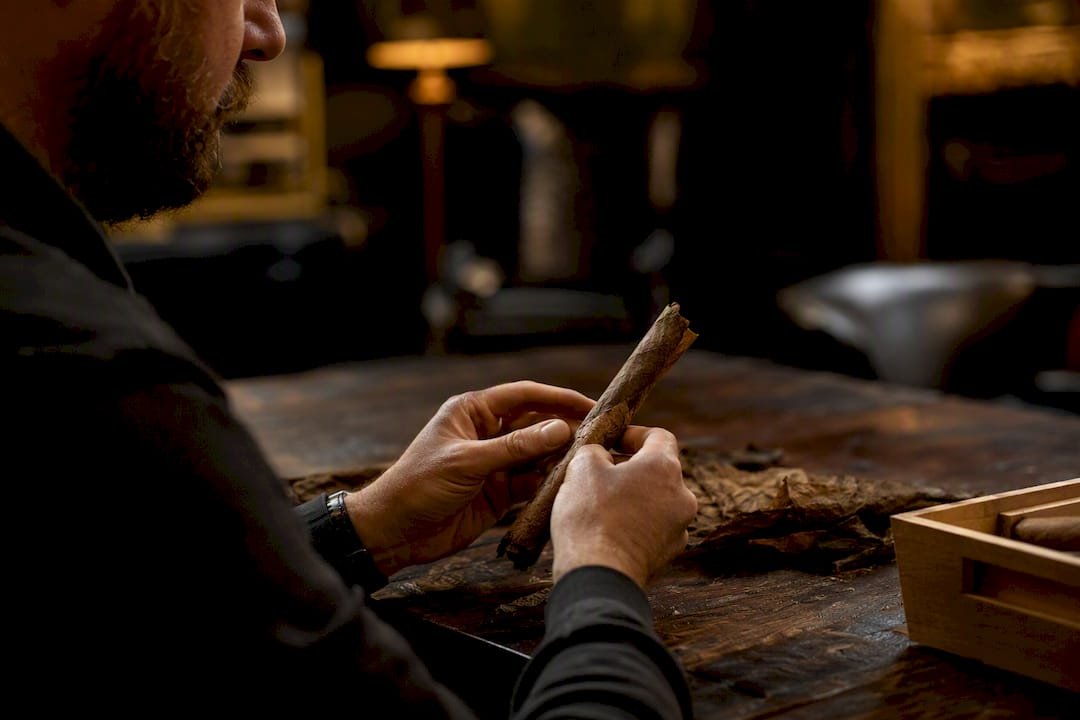
A quick squeeze test tells you most of what you need to know. Press gently near the middle of the cigar: it should give slightly and spring back. If it feels mushy, doesn’t rebound, or leaves a dent, moisture in the cigar has gone too far.
- Squeeze: soft, spongy, or dented means excess moisture; firm with slight give is normal.
- Look: a dark, oily-looking, slick wrapper or visible beads of moisture signal trouble.
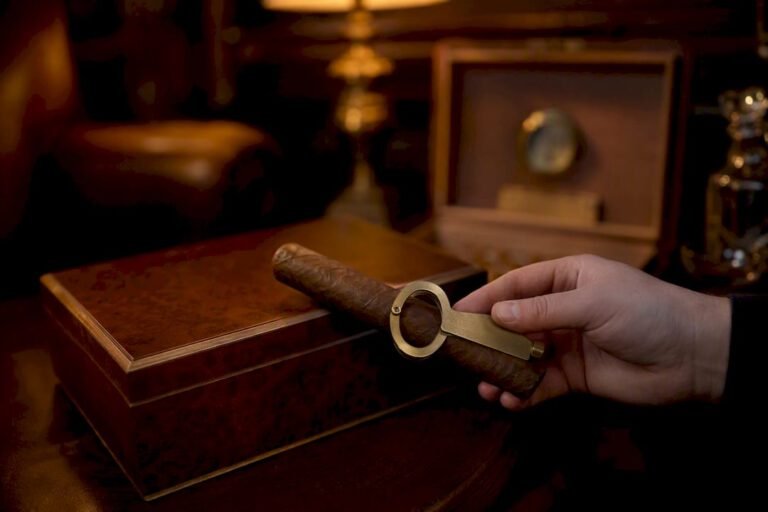
- Cut: snip the cap and check the foot. Glossy, wet-looking filler and binder are a red flag; papery, dry tissue is fine.
- Smoke: a hard-to-light foot, plugging or tunneling through the core, and a sour or muddy taste all point to sour and acrid smoking behavior typical of over-humidified cigars.
One distinction trips up a lot of new collectors: plume versus mold. Plume looks like fine, powdery, blue-gray crystals that brush off easily and smell like nothing in particular. Mold looks fuzzy or fibrous, smells musty or sour, and often has color (green, black, white fuzz).
Pro Tip: Roll the cigar gently under a bright light before you decide anything. Plume sits on the surface and scatters when you blow on it; mold clings and regrows within a day even after wiping.
Why Cigars Get Too Humid in the First Place
Over-humidification is almost always a systems problem, not bad luck. The usual suspects:
- Overfilled or duplicated humidifiers: two humidification sources in one box, or a single unit charged too heavily, push RH past what the cigars can handle.
- Unseasoned cedar: dry wood pulls moisture out of the air during the first few fills, then dumps it back once saturated, causing swings.
- Warm rooms: temperature and humidity move together, so a humidor sitting near a window or heating vent will run wetter than the hygrometer suggests at a stable temperature.
- Poor seals and low fill levels: a warped lid or a half-empty humidor gives a humidifier too much air to saturate, amplifying every other mistake on this list.
The Recovery Workflow That Actually Works
The instinct to speed things up is the one you have to fight. Heat lamps, ovens, box fans, and refrigerators all seem like fast fixes, but they strip flavor oils and crack wrappers instead of drying cigars evenly. None of those belong anywhere near a cigar recovery.
Here’s the sequence that works:
- Pull the humidifier and separate the cigars. Spread them out, not stacked, so air reaches every side.
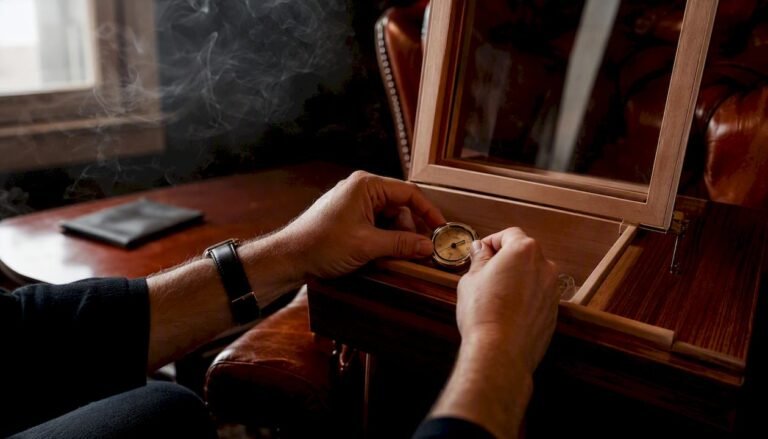
- Air daily, briefly. Crack the humidor lid for about 30 minutes a day rather than leaving it wide open, which can crash RH too fast.
- Move to a Tupperdor for finer control. A smaller sealed plastic container lets you manage airflow more precisely than a full-size humidor, since less internal volume means less lag between what you do and what the hygrometer reads.
- Add a dry cedar sheet or strip, not soaked cedar, to passively pull excess moisture without over-correcting.
- Track the drop with a calibrated hygrometer. Log the reading daily.
- Reintroduce humidification once you hit your target RH, not before.
The number that matters here: aim for roughly a 1% to 2% relative humidity drop per day. Drop it faster and you risk wrapper cracks and split seams; drop it slower and mold gets more time to take hold. Most cigars that started in the 80% to 90% RH range recover to a normal 65% to 70% within five to fourteen days of steady, monitored drying.
Stop the recovery attempt and consider the cigar a loss if the wrapper splits at multiple points, the filler feels wet all the way through after a week of drying, or mold keeps regrowing after two cleanings. At that point you’re not saving a cigar, you’re storing a liability next to the ones you can still smoke.
Preventing Over-Humidified Cigars for Good
Most cigar authorities land on 65% to 70% RH for everyday storage, with serious collectors often running 62% to 65% for long-term aging, since the lower band cuts mold risk without drying out the blend. Pair whatever target you pick with a stable temperature near 70°F; a humidor that swings 10 degrees will swing in RH too.
- Season new humidors patiently. Wipe the interior with a lightly damp cloth using distilled water, then run humidity packs for 7 to 14 days before loading cigars. Soaking the wood instead of wiping it is the single most common seasoning mistake, and it’s what causes musty smells later.
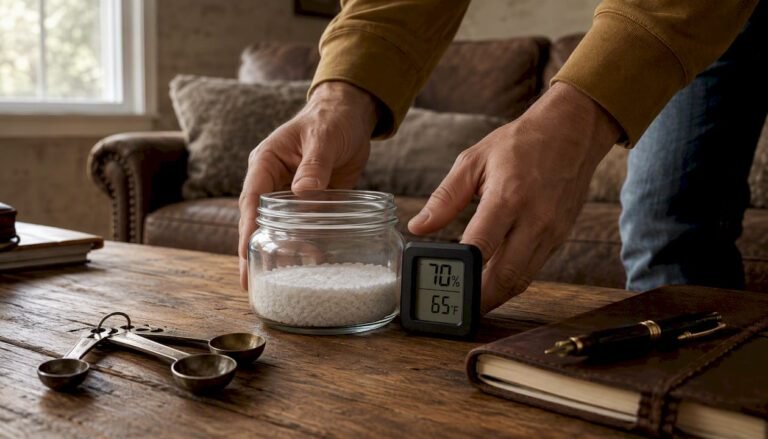
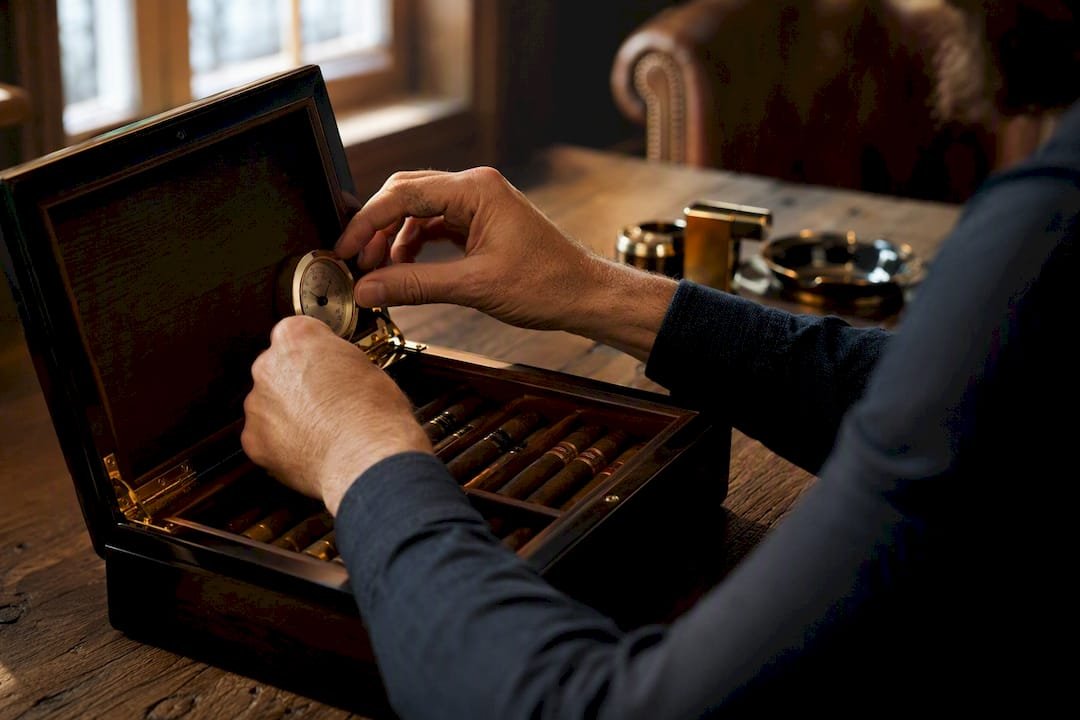
- Calibrate your hygrometer every 6 to 12 months with the salt test, and place it mid-height, away from the humidifier itself so it isn’t reading a false local spike.
- Match humidifier size to fill level. A half-empty humidor with a full-size unit is a setup for humidity swings; downsize the humidifier as your collection grows or shrinks.
- Adjust with the seasons. Step down to a lower-capacity pack during humid summer months and log your readings weekly so you catch drift before it becomes a problem.
Pro Tip: Keep a simple notebook or spreadsheet next to the humidor. A week of daily readings tells you more about your storage environment than any single hygrometer glance ever will.
Mold or Plume? When to Quarantine and When to Toss
Light, powdery plume that wipes away and doesn’t return is harmless and, for some smokers, even a sign of good aging conditions. Fuzzy or colored mold is a different matter entirely.
- Quarantine immediately if you spot any mold, wrapped or not, and check every cigar that touched it.
- Brush lightly outdoors for cigars with only faint surface mold on the wrapper.
- Discard without debate if mold appears at the foot, under the band, or deep in the tobacco veins, since it’s already embedded past the point of cleaning.
- Clean the empty humidor with minimal distilled water and alcohol on nonporous parts only, air it out fully, then re-season before reloading.
What Thor’s Cigar Vault Recommends to Collectors
We consistently push collectors toward slightly drier long-term storage over the “wetter is safer” instinct, paired with weekly RH logging rather than occasional glances. A properly sealed humidor and a calibrated hygrometer prevent more problems than any recovery method fixes after the fact.
Get Your Humidity Under Control With the Right Gear
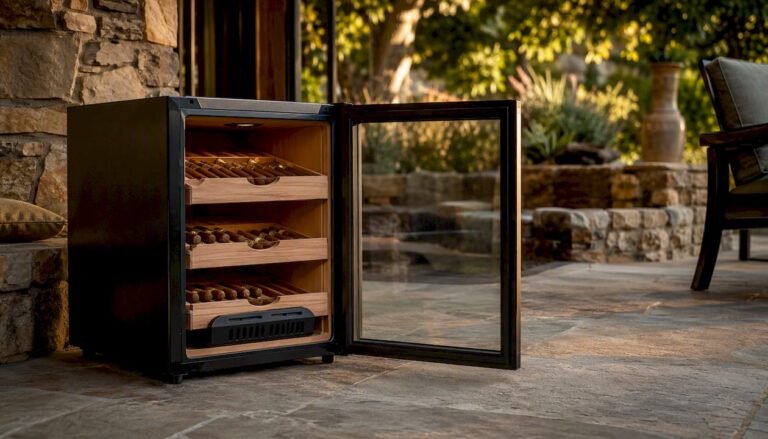
Most over-humidification problems trace back to one piece of equipment: a humidifier that’s oversized, uncalibrated, or paired with a humidor that doesn’t seal well. Thor’s Cigar Vault carries humidors built with tighter seals and better wood-to-air ratios than the mass-market boxes that cause half these problems in the first place.

Browse the shop for calibrated hygrometers, humidity packs sized to match your fill level, and cedar accessories built for exactly the kind of controlled drying this article walks through. If you’re rebuilding your collection after a recovery, the Arturo Fuente Opus X 20th Anniversary Carbon Fiber Cigar Case keeps travel cigars sealed away from ambient humidity swings entirely. Head to Thor’s Cigar Vault to browse the current collection.
Sources
- Season, Calibrate, Mold-Proof Humidors | Howard Environmental
- How to Fix Over Humidified Cigars: A Step-by-Step Guide – Northwoods Humidors
- Cigar Library | Guides, Interviews & Expert Insights
FAQ
How Do You Fix Over-Humidified Cigars?
Remove the humidifier, separate the affected cigars, and let humidity drop about 1% to 2% per day using brief daily airing or a Tupperdor, checking progress with a calibrated hygrometer.
Is 70% Humidity Too High for Cigars?
Not for everyday storage. Most authorities put the ideal range at 65% to 70% RH, though collectors aging cigars long term often prefer 62% to 65% to reduce mold risk.
What Is the 1-2 Rule for Cigar Recovery?
It refers to dropping relative humidity by roughly 1% to 2% per day during recovery from over-humidification, a pace slow enough to avoid wrapper damage while still correcting the problem within one to two weeks.