What a Loose Draw Cigar Means and How to Fix It
A loose draw cigar pulls air far too easily, usually from an underfilled bunch, leaving you with thin, hot, harsh smoke instead of a slow, flavorful burn. The fastest fix is switching to short, gentle puffs spaced about a minute apart; check your cut first, since an overcut cap can mimic the same problem. If the draw feels like sucking through an empty straw, ease off, and remember that construction defects are rare at reputable factories, so a quick return request through a retailer like Thor’s Cigar Vault usually solves it.
TL;DR:
- Most loose draws result from underfilled bunches, which cause hotter, faster, and harsher burning, leading to flavor loss and reduced enjoyment.
- Inspecting the cigar by squeezing or gently rolling it pre-light helps detect uneven packing or soft spots that indicate a loose bunch before purchase.
- Addressing a loose draw mid-smoke involves slowing down your puffs, changing your cut if needed, and avoiding damaging the wrapper or attempting to repack the tobacco.
- Consistent, moderate humidity storage prevents wrapper looseness or tightness, reducing the likelihood of construction defects affecting draw quality.
- Reputable retailers like Thor’s Cigar Vault inspect cigars before shipping and handle complaints by identifying whether a loose draw is an isolated issue or a batch defect.
Table of Contents
- What Causes a Cigar to Draw Too Loosely?
- How Do You Know if a Cigar Has a Loose Draw?
- How Do You Fix a Loose Draw Mid-Smoke?
- How Can You Prevent Buying a Loose Draw Cigar?
- When Is a Loose Draw a Defect Worth Returning?
- How Thor’s Cigar Vault Handles Draw Issues
- A Buyer’s Take on Formats and Pre-Light Checks
- Get Cigars Inspected Before They Reach You
- Sources
- FAQ
What Causes a Cigar to Draw Too Loosely?
The most common culprit is an underfilled bunch. When the roller does not pack the filler leaves tightly and evenly inside the wrapper, air rushes through the gaps instead of pulling smoke evenly across the tobacco. That extra airflow makes the cigar burn hotter and faster than it should, and heat is the enemy of flavor. Premium factories work hard to prevent this: New World manufacturers generally target construction defect rates below 1%, though some Cuban production runs show closer to 1 to 2%.
A few other factors contribute, though less consistently:
- Box-pressed shapes are sometimes rolled with slightly less density on purpose, so a box-press can feel airier than a round cigar of the same blend without anything being wrong.
- Overcut caps remove too much of the cap material, opening the draw artificially wide even when the bunch underneath is fine.
- Wrapper damage or humidity extremes can occasionally loosen a draw, though over-humidified cigars actually tend to tighten rather than loosen, making construction the more reliable explanation.
If one stick out of a box of 20 draws loose, that’s typically normal single-stick variation. A box where several cigars share the same problem points to something else entirely, which the returns section below covers.
How Do You Know if a Cigar Has a Loose Draw?
A loose draw has a distinct feel once you know what to look for, and it’s easy to confuse with the opposite problem if you’ve never dealt with either.
- The airflow test. A loose draw pulls with almost no resistance, similar to sipping through an empty straw. A plugged or tight draw does the opposite, fighting you with every pull.
- Smoke volume and speed. Loose cigars tend to produce large clouds of smoke while the foot burns down noticeably faster than a similar format from the same brand.
- Flavor thinning out. Because air is diluting the smoke, flavors read thin, muddled, or harsh rather than layered, especially past the halfway point.
- The roll test. Gently rolling the cigar between your fingers before lighting can reveal soft or spongy sections where the filler didn’t get packed tightly. A firm, uniform give across the length is what you want.
- Total smoke time. A loose stick often finishes 15 to 20 minutes faster than you’d expect for its size, since it’s burning through tobacco with every draw instead of resisting.
How Do You Fix a Loose Draw Mid-Smoke?
You cannot add tobacco back into an underfilled bunch once the cigar is lit. That’s the hard truth behind most published fixes for airy draws: they all revolve around adjusting your technique, not repairing the construction.
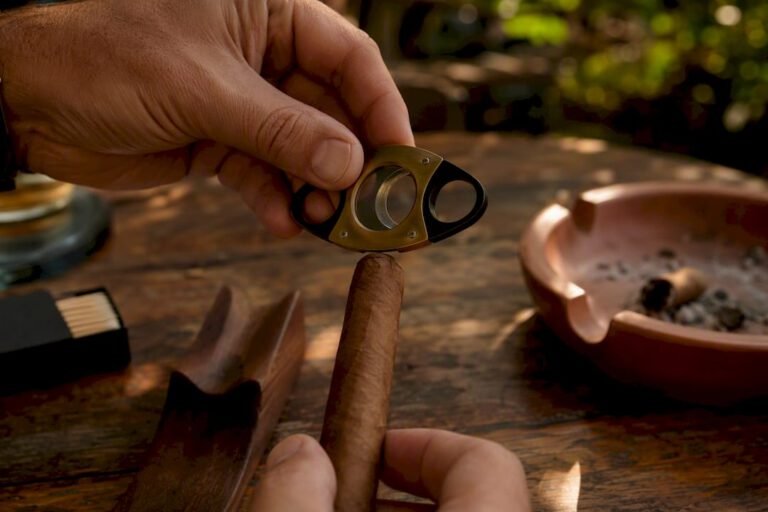
Start with the cut. If it looks jagged, overly wide, or if wrapper leaf pulled away when you sliced it, that’s likely contributing to the problem, though there’s little you can safely do about it once you’re mid-smoke. Re-cutting shallower only makes sense if the wrapper still looks stable and you haven’t already smoked past the point where a second cut is possible.
- Switch to short, gentle “sip” draws instead of long pulls, and stretch the interval between puffs toward once a minute.
- Save the punch cutter or a shallow V-cut for your next stick rather than reworking the cap you’re currently smoking.
- Never jam a toothpick, straw, or any object into the cigar to try to repack the filler. It damages the wrapper and rarely helps.
- Avoid squeezing or compressing the cigar to force the bunch tighter. That tends to crack the wrapper instead.
Mild looseness usually just means a hotter, faster smoke you can slow down with pacing. Moderate looseness cuts your enjoyment noticeably but is often still smokable if you’re patient. Severe looseness, where the cigar burns through in half its expected time and tastes acrid throughout, is worth setting aside and documenting for a return.
Pro Tip: Time your puffs against a clock the first few times you slow down. Most smokers think they’re pacing at one puff per minute when they’re actually closer to one every 20 seconds.
How Can You Prevent Buying a Loose Draw Cigar?

A little inspection before you light up saves a lot of frustration later. Gently squeeze the cigar along its length. You’re feeling for consistent, firm resistance. Soft spots or noticeable give in one section are early warning signs of underfilling, and they’re often detectable before you ever cut the cap.
Store your cigars at moderate humidity rather than chasing extremes. Overly dry storage can loosen wrapper leaf, while overly wet conditions tend to tighten draws and slow burn rates unevenly. Either extreme creates problems that have nothing to do with how the cigar was originally rolled.
- Cut just above the shoulder, not deep into the cap, since cutting too far in can unravel wrapper leaf and open the draw artificially.
- Test a second stick from the same box before writing off an entire purchase over one loose cigar.
- Favor a cutter that gives a clean, controlled opening. A dull or overly aggressive blade increases your odds of an accidental overcut.
When Is a Loose Draw a Defect Worth Returning?
One loose stick in an otherwise solid box is usually just variation, and reputable brands accept that some inconsistency happens even within tight defect-rate targets. What changes the calculation is pattern. If three or four cigars from the same box show the same soft, fast-burning behavior, that’s no longer an isolated incident and points to a batch-level rolling issue worth reporting.
Before contacting a retailer, document what happened:
- Note how many cigars from the box were affected and their positions if you can recall them.
- Photograph the cut and the unlit cigar if you still have unsmoked sticks from the same box.
- Estimate how much faster the cigar burned compared to a typical smoke of that size.
- Describe the cut style and cutter used, since retailers will ask to rule out user error first.
Retailers selling handmade premium cigars generally stand behind major construction defects like this, even when minor burn irregularities are considered part of the territory with handmade tobacco. A short, factual message describing the box, the number of affected sticks, and your documentation is usually all it takes to get a resolution.
How Thor’s Cigar Vault Handles Draw Issues
Every cigar in Thor’s Cigar Vault’s curated inventory gets a look before it reaches a customer, and product pages spell out construction details rather than leaving buyers to guess. When a customer reports a draw problem, the typical response is straightforward: describe the issue, share what box or stick is affected, and staff work through whether it’s a one-off or something the batch shared. That knowledge also feeds into how Thor’s staff talk customers through size and cut choices upfront, since matching the right ring gauge and format to a smoker’s habits heads off a lot of draw complaints before they start.
A Buyer’s Take on Formats and Pre-Light Checks
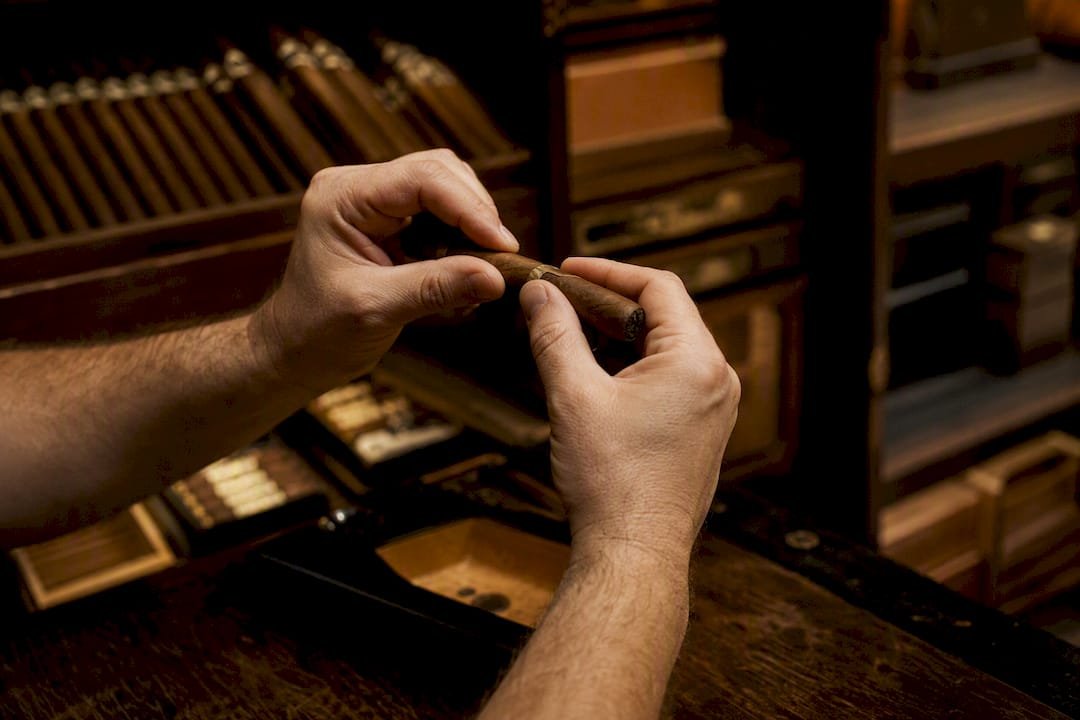
Box-pressed cigars can be excellent, but if draw consistency matters more to you than shape, round formats give the roller fewer variables to get wrong. Larger ring gauges are more forgiving of minor underfilling since there’s more tobacco mass to compensate, while thinner formats expose bunching flaws faster. A 30-second pre-light check, cut, gentle roll test, and a single dry draw before striking a match, catches most problems before you’ve wasted a good cigar on a bad roll.
— Kevin
Get Cigars Inspected Before They Reach You
Thor’s Cigar Vault checks construction before a cigar ever ships, which means fewer surprise loose draws and less guessing about whether a stick was rolled right. That inspection habit runs across the catalog, from everyday smokes to rarer finds like the Illusione Original Documents Ultra Gordo, a format with enough ring gauge to stay forgiving even when filler density varies slightly.

If you land a stick that draws too loose despite that inspection, reach out with photos and details and Thor’s Cigar Vault will sort out a fix. Browse the full shop to find your next box, or check out the Arturo Fuente FFOX Opus X Perfecxion 4 5 pack if you want a well-documented pack to start with. New customers get 10% off their first order when they sign up for updates.
Sources
For deeper background, see Cigar & Cocktail Magazine on construction defects, Cigar Aficionado’s smoking guidance, and Tobacconist University’s draw FAQ.
- Common Construction Defects — Cigar & Cocktail Magazine
- How to Fix a Loose or Airy Draw Mid-Smoke — VDG-cigars
FAQ
What Causes a Tight Draw on a Cigar?
A tight or plugged draw usually comes from overpacked filler, a stem caught in the bunch, or a wrapper that’s too tightly rolled, the opposite problem from a loose draw’s underfilled bunch.
What Is the 1/35 Rule for Cigars?
This isn’t a recognized cigar industry standard; if you’ve seen it referenced, treat it skeptically rather than as an established guideline, since no credible cigar authority defines a rule by that name.
What Was JFK’s Favorite Cigar?
President Kennedy was known for favoring Cuban H. Upmann Petit Coronas, a detail widely reported in cigar history writing rather than something this article’s sourcing addresses directly.
Is Smoking Two Cigars a Week OK?
That frequency falls well below daily tobacco use, and moderation is generally considered lower-risk than heavy or daily smoking, though any tobacco use carries health considerations worth discussing with a doctor.
Can a Loose Draw Cigar Be Fixed Once It’s Lit?
Not by adding tobacco back into the bunch. The only reliable mid-smoke response is slowing your pace and shortening each draw to manage the extra airflow.