Can You Recharge Boveda Packs? The Honest Answer
Skip the DIY recharge. Boveda’s own guidance is clear: replace spent packs rather than attempting to rehydrate them. Recharging a depleted Boveda two-way humidity pack can restore softness, but it will not reliably restore the original relative humidity precision — and it introduces real risks including mold and membrane damage. If your pack feels stiff or crunchy, pull it out and swap in a fresh one. Not sure whether it’s spent? A digital hygrometer will tell you within a few minutes.
Boveda is the industry standard for two-way humidity control in cigar humidors, cannabis storage, and instrument cases. The manufacturer’s position on recharging is consistent across every product line: don’t do it. That said, plenty of people try anyway, so the sections below cover how the packs work, what the DIY methods actually do, and what to do if you’re determined to attempt it.
Key Takeaways
Boveda packs cannot be reliably recharged: rehydration may restore softness but permanently alters the salt chemistry and membrane precision that make these packs effective.
| Point | Details |
|---|---|
| Replace, don’t recharge | Boveda officially advises against recharging; replace active packs every 3 months for reliable two-way control. |
| Sealed shelf life | Unopened packs last 2 years in original overwrap stored at room temperature. |
| Lifespan by container | Wooden humidors: 2–4 months; airtight humidors: 6–9 months; Boveda Humidor Bag: up to 1 year. |
| DIY risks are real | Crystallized salt can puncture membranes; rehydrated packs risk mold and imprecise RH output. |
| Thor’s Cigar Vault | Stocks premium cigars and accessories; reach out for humidor setup advice and replacement solutions. |
Table of Contents
- How do Boveda two-way humidity packs actually work?
- What DIY recharge methods do people try, and how risky are they?
- What does Boveda officially recommend?
- If you still want to try rehydrating: a low-risk protocol
- How can you tell when a Boveda pack is spent?
- What are the safest alternatives to recharging?
- A retailer’s honest take on recharging Boveda packs
- Thor’s Cigar Vault has what you need for proper humidity control
- Sources
How do Boveda two-way humidity packs actually work?
Boveda packs rely on a saturated salt solution sealed inside a semi-permeable membrane. That solution is the key. Different salts produce different equilibrium relative humidity levels — which is how Boveda can offer packs calibrated to 62%, 65%, 69%, 72%, and other specific targets. The membrane lets water vapor pass in both directions, which is what makes the pack “two-way”: it adds moisture when the surrounding air is too dry and absorbs it when the air is too humid.
As the pack depletes, the solution inside gradually loses its liquid component. The salt crystallizes and clumps. That clumping matters because it changes the surface area and the solution balance — the chemistry that produces a precise RH target. According to Boveda’s official guidance, crystallized salt can also form sharp edges that puncture the membrane when rehydrated, causing leaks and contaminating stored goods.
Here’s what’s happening inside the pack at each stage:
- Two-way control active: Liquid salt solution maintains equilibrium; membrane passes vapor freely in both directions.
- Pack partially depleted: Solution volume decreases; pack begins to firm up; two-way control continues but with less reserve capacity.
- Pack fully spent: Salt has crystallized throughout; membrane may be stressed; two-way control is no longer reliable.
- After attempted rehydration: Water dissolves some crystals, but clumping and membrane wear mean the original chemistry is unlikely to be fully restored.
Store unused packs in their original overwrap at room temperature in a dry place. Unopened packs have a two-year shelf life — so buying ahead is a practical strategy.
What DIY recharge methods do people try, and how risky are they?
The most common community approaches to rejuvenating Boveda packs are submerging in distilled water, placing in a sealed container with a damp cloth, or leaving in a high-humidity environment. Community demos on YouTube typically show distilled-water soaks of 24–72 hours, with results varying widely. Some users report temporary softness; very few report restored RH precision.
| Method | Effectiveness at restoring RH precision | Typical time required | Main risk | Cost/effort vs. replacement |
|---|---|---|---|---|
| Distilled water submersion | Low — softness returns, precision rarely does | 24–72 hours | Membrane puncture, leaks, mold | High effort, uncertain result |
| Damp towel in sealed container | Very low — indirect moisture, inconsistent uptake | 2–5 days | Mold on towel transfers to pack | Moderate effort, poor outcome |
| Sealed humid room or bag | Very low — uncontrolled RH, no precision | 3–7 days | Imprecise RH, no way to verify result | Low effort, unreliable |
| Distilled water + hygrometer monitoring | Low to moderate — best of the DIY options | 3–7 days | Crystallized salt damage, mold if not monitored | High effort, still inferior to replacement |
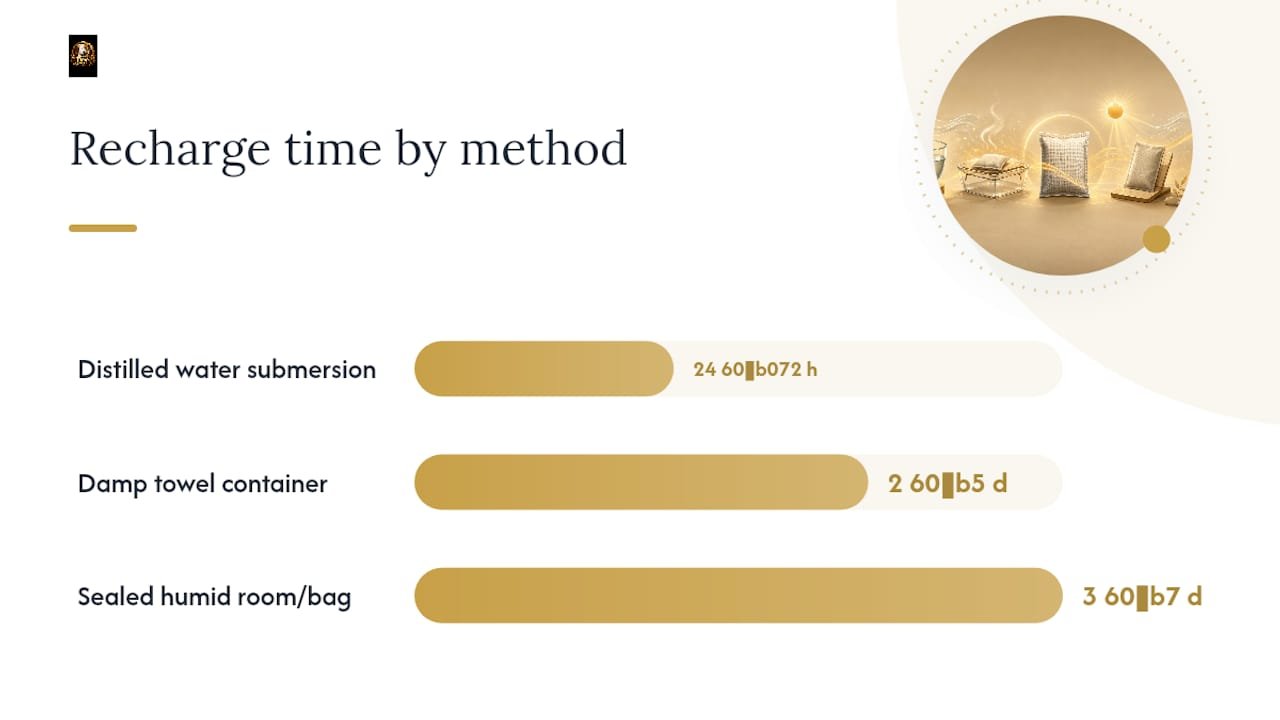
An independent community analysis puts it plainly: DIY rehydration may make a pack pliable again, but the saturated-salt chemistry and membrane integrity can be permanently altered. The recurring failure modes reported by users are consistent: the pack feels soft but reads the wrong RH on a hygrometer, or it leaks after a few days. The cost of a replacement Boveda pack is usually small compared to the value of the premium cigars at risk if humidity control fails.
What does Boveda officially recommend?
Boveda advises against attempting to recharge exhausted packs. Rehydration reduces precision and can introduce mold or otherwise harm stored material. For optimal protection, replace spent packs rather than rehydrating them.
That guidance applies equally to cigar packs and cannabis packs — the core chemistry and membrane are the same across product lines.
The practical replacement schedule, per Boveda’s own published guidance:
- Sealed shelf life: Two years in original overwrap, stored at room temperature in a dry place.
- Active use replacement cadence: Replace every three months (90 days) for optimal humidity control. Note: Actual in-use lifespan depends on container airtightness — see the tiered ranges below.
- Container-dependent lifespan: Roughly 2–4 months in a wooden humidor, 6–9 months in an airtight humidor, and up to 1 year in a Boveda Humidor Bag. Replacement should be more frequent in less airtight containers.
Pro Tip: Pair your Boveda packs with a calibrated digital hygrometer. Check the reading weekly for the first month after installing a new pack. If the RH stabilizes at your target within a few days and holds steady, the pack is working. If it drifts, you have a seal problem, not a pack problem.
If you still want to try rehydrating: a low-risk protocol
Rehydration can restore softness but will not reliably restore original RH precision. Proceed only if you accept that outcome and plan to verify the result before returning the pack to any valuable storage.
- Use distilled water only. Tap water introduces minerals that can alter the salt chemistry and accelerate mold growth.
- Place the pack in a small, clean, airtight container. Do not submerge it. Pour a small amount of distilled water into the container — enough to create humidity, not enough to flood the pack.
- Seal the container and wait 24 hours. Check for any visible leaks, membrane tears, or discoloration before proceeding.
- Inspect for crystallized salt damage. If the membrane feels gritty or shows white spots that weren’t there before, stop. Crystallized salt edges can puncture the membrane once rehydrated, causing leaks.
- Continue for up to 72 hours total, checking daily. If the pack remains soft and shows no leaks, move to the verification step.
- Verify with a hygrometer. Seal the pack in a small container with a calibrated hygrometer for 24 hours. The reading should match the pack’s labeled RH within ±2%. If it doesn’t, the pack’s chemistry is compromised.
- Discard if any mold, odor, or membrane damage is present. No amount of softness justifies introducing mold into a humidor.
Pro Tip: Limit rehydration attempts to non-critical uses — a test jar, a travel case with inexpensive cigars, or a non-valuable container. Never reintroduce a suspect pack into a premium humidor without a successful hygrometer verification first.
How can you tell when a Boveda pack is spent?
When it’s stiff or crunchy, it’s done. That’s the simplest test. But there are a few other signs worth knowing.
Physical signs:
- Pack feels firm, hard, or brittle rather than soft and pliable
- Visible white salt crystallization through the membrane
- Any leaking, wet spots, or residue on the outside of the pack
Performance signs:
- Hygrometer reads consistently above or below the pack’s labeled RH target
- RH drifts more than ±3–4% from the setpoint over several days
- Humidity swings rather than holding steady
Odor and contamination signs:
- Any musty or off smell inside the humidor
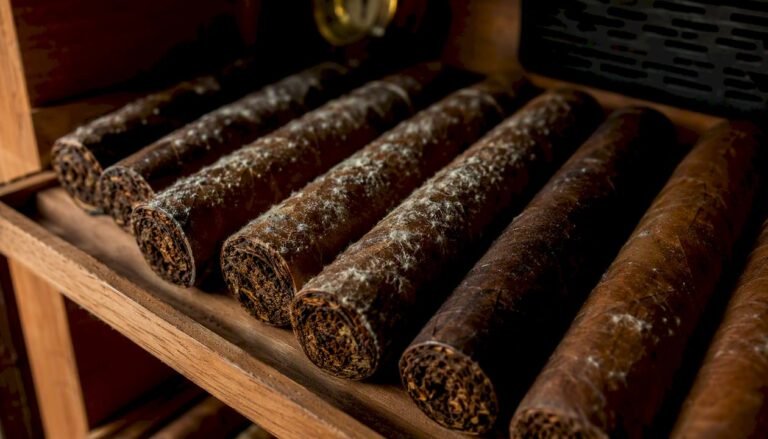
- Visible mold on the pack or nearby cigars
Lifespan varies significantly by container type. Boveda’s published ranges give a useful baseline: roughly 2–4 months in a wooden humidor, 6–9 months in an airtight humidor, and up to 1 year in a Boveda Humidor Bag.
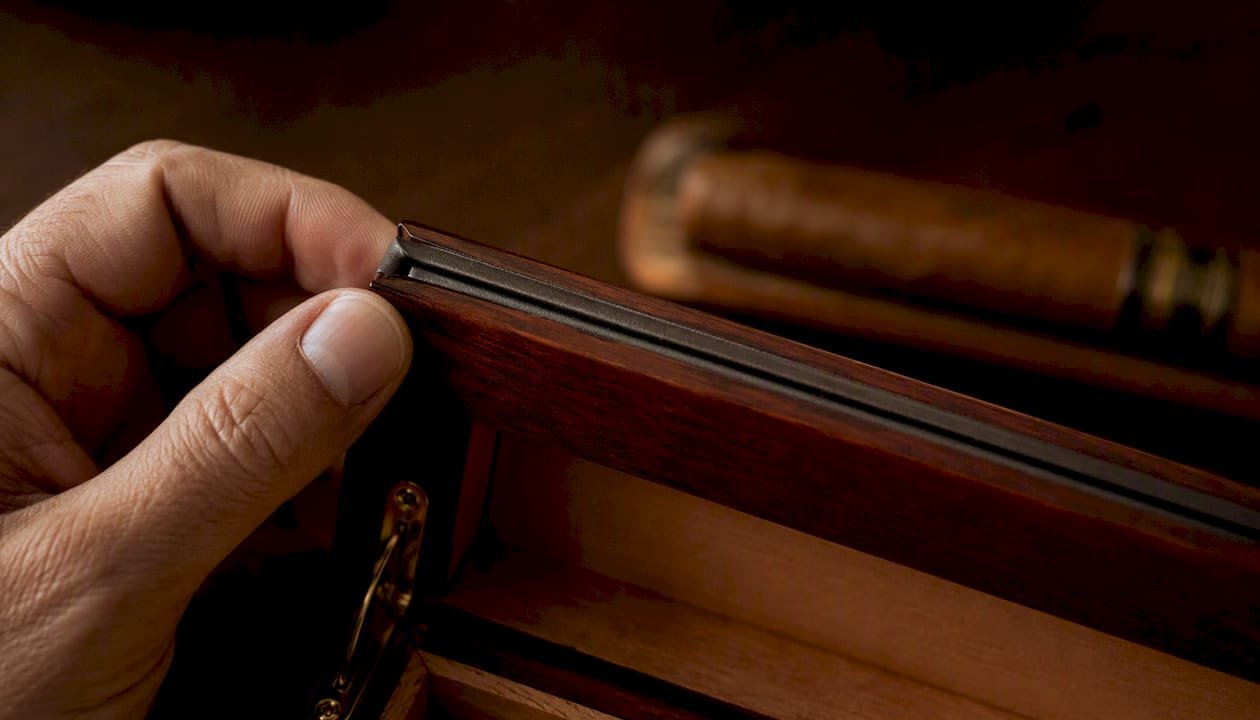
Pro Tip: If your packs are dying in under six weeks, the problem is almost certainly the container seal, not the pack. Check the humidor lid gasket, look for hairline cracks in the wood, and verify you’re using the correct number of packs for your container’s volume before buying replacements.
What are the safest alternatives to recharging?
Replacing packs on schedule and improving container airtightness are the most reliable choices. Everything else is a workaround.
| Container type | Typical Boveda lifespan | Notes |
|---|---|---|
| Wooden humidor | 2–4 months | Higher wood porosity means faster depletion; season wood before first use |
| Airtight humidor | 6–9 months | Low vapor exchange extends pack life significantly |
| Boveda Humidor Bag | Up to 1 year | Near-zero vapor loss; best longevity per pack |
Beyond simple replacement, here are the practical alternatives worth considering:
- Subscribe to regular refills. Boveda and several retailers offer subscription options so you never run out. This removes the temptation to stretch a spent pack past its useful life.
- Electronic humidifiers for large humidors. A cabinet or walk-in humidor holding hundreds of cigars benefits from an electronic humidifier as the primary humidity source, with Boveda packs as a precision buffer. The two systems work well together.
- Re-season wooden humidors. If your wooden humidor has dried out, re-seasoning the wood before installing fresh packs reduces the load on the packs and extends their life. Wipe the interior with distilled water on a clean cloth, then let it absorb for 24–48 hours before adding cigars.
- Troubleshooting checklist before replacing: Verify the lid seal, confirm hygrometer placement is away from direct pack contact, check that you’re not opening the humidor more than necessary, and confirm the pack count is correct for your container volume. Short pack life often signals a poor seal, not a bad pack.
A retailer’s honest take on recharging Boveda packs
The conventional wisdom in cigar forums is that recharging is a reasonable money-saver. The reality is more complicated, and most people who’ve tried it seriously end up agreeing with Boveda’s position after the fact.
Here’s what gets underestimated: the precision of a Boveda pack isn’t just about moisture content. It’s about the specific salt chemistry maintaining a stable equilibrium. When that chemistry is disrupted by depletion and then partially restored by adding water, you’re not getting the original product back. You’re getting something that feels similar but behaves differently. For a jar of inexpensive items, that’s probably fine. For a premium cigar collection worth hundreds of dollars, it’s a bad trade.
The other thing people underestimate is mold risk. A compromised membrane in a humid environment is an invitation for contamination. Cigars are particularly vulnerable because the wrapper leaf is organic and porous. One moldy pack can ruin an entire humidor.
Thor’s Cigar Vault recommends keeping a small stock of spare packs on hand and replacing on a 90-day schedule for active humidors. For cigars stored at 65–70% RH (the sweet spot for most premium blends), a 69% or 72% Boveda pack is the right choice. If you’re unsure which RH target fits your storage setup, reach out directly — the team is happy to help you dial it in.
Thor’s Cigar Vault has what you need for proper humidity control
Protecting premium cigars starts with reliable humidity control, and that means fresh packs on a regular schedule. Thor’s Cigar Vault carries a curated selection of premium cigars and accessories, and the shop is the right place to start when it’s time to restock your humidor setup.

Whether you’re looking for a luxury humidor to upgrade your storage or browsing rare cigars worth protecting properly, Thor’s Cigar Vault has the inventory and the expertise to match. First-time customers get 10% off their first order. Browse the full selection and reach out to the team for personalized humidor recommendations — getting the setup right from the start is always easier than troubleshooting a humidity problem later.
Sources
The sources below are the authoritative references for this article. Prioritize manufacturer guidance over community posts, and always verify pack behavior with a calibrated hygrometer rather than relying on feel alone.
- Can I recharge Boveda Cannabis Packs? – Boveda® Official Site
- When do I replace my Boveda? – Boveda® New Official-Site
- How do I store Boveda packs that I’m not using? – Boveda® New Official-Site
- Stop Rehydrating Boveda Packs, You’re Ruining Your Cigars – Cigar Press
- How to Recharge a Boveda Pack – YouTube