30 Day Safe Default: How Long to Rest Cigars After Shipping
Wait at least one week before smoking cigars that just arrived, and treat 30 days as your conservative default before judging a stick fairly. Add extra time for winter shipments, long transit, or fresh factory boxes. Thor’s Cigar Vault ships with this in mind, but even a well-packed order needs time in your own humidor to settle.
TL;DR:
- Cigars shipped during winter or with long transit times require up to 60 to 90 days of resting to recover from moisture loss and temperature swings.
- Resting is distinct from aging; short-term rest helps improve burn, draw, and flavor, with two weeks to a month being the typical ideal period for most blends.
- An immediate smoke after arrival may cause issues like uneven burn, harsh taste, or difficult draw, often indicating the cigar needs more rest.
- Proper resting involves inspecting packaging, gradually warming cold shipments, and maintaining stable humidity at 65-67%, avoiding frequent humidity checks.
- For early smoking, select the best-built cigars and give them at least one week of rest, especially if the shipment experienced rough conditions or cold weather.
Table of Contents
- How Long Should You Rest Cigars After Shipping?
- Why Does Resting a Shipped Cigar Actually Matter?
- How Do You Rest Cigars the Right Way?
- What If Your Situation Doesn’t Match the Table?
- How Do You Know a Cigar Is Ready to Smoke?
- What Thor’s Cigar Vault Recommends After Mail-Call
- Give Your Cigars a Better Place to Rest
- Sources
- FAQ
How Long Should You Rest Cigars After Shipping?
The honest answer depends on how far your cigars traveled and what the weather did to them along the way. A local shop pickup barely needs a rest. A cigar that spent four days in a hot delivery truck needs a lot more patience.
| Scenario | Recommended rest | Why |
|---|---|---|
| Local shop purchase | 1 to 3 days | Minimal humidity or temperature shock |
| Fast online order (1 to 2 days transit) | 1 week | Short exposure still stresses the wrapper |
| Typical online order (3 to 5 days) | 2 weeks | Moderate humidity swings need time to even out |
| Long transit or customs delay | Twice the transit time, minimum 30 days | Extended exposure compounds moisture loss |
| Winter shipping | A prolonged resting period | Cold and dry air pulls moisture aggressively |
| Fresh factory box or new release | Several weeks to a few months | Tobacco hasn’t married yet; needs to settle |
| Tubed or cellophane-wrapped cigars | A few days to about a week | Extra layer buffers most shipping stress |
The 30-day mark works as a safe default when you’re unsure which row fits, according to guidance from Cigarro’s resting breakdown. If your shipment checked more than one risk box, like a winter order in a fresh box, stack the longer timeline rather than splitting the difference.
Why Does Resting a Shipped Cigar Actually Matter?
Resting is not the same thing as aging. Aging is a slow, months-to-years process where tobacco compounds mellow and develop new flavor notes. Resting is short-term recovery from the shock of shipping, and The Manual’s cigar experts treat the two as separate problems with separate timelines.
A cigar in transit gets bounced through temperature and humidity swings that a sealed box or truck can’t fully buffer. The wrapper dries fastest since it’s the outermost layer, while the binder and filler lag behind, creating uneven moisture levels inside a single cigar.
Skip the rest and you’ll usually notice it in the burn. Common signs include:
- Harsh, peppery smoke that overwhelms the actual blend
- Uneven burn lines or a canoe effect on one side
- Tight, difficult draw from filler that hasn’t relaxed
- Flat or muted flavor because oils haven’t redistributed
Statistic callout: According to The Manual, even a single week of rest produces a noticeably better smoke than lighting up straight from the box, and two weeks to a month is widely considered the sweet spot for most blends.
How Do You Rest Cigars the Right Way?
Getting this right isn’t complicated, but skipping a step is exactly how wrappers crack or cigars go spongy. Follow this order:
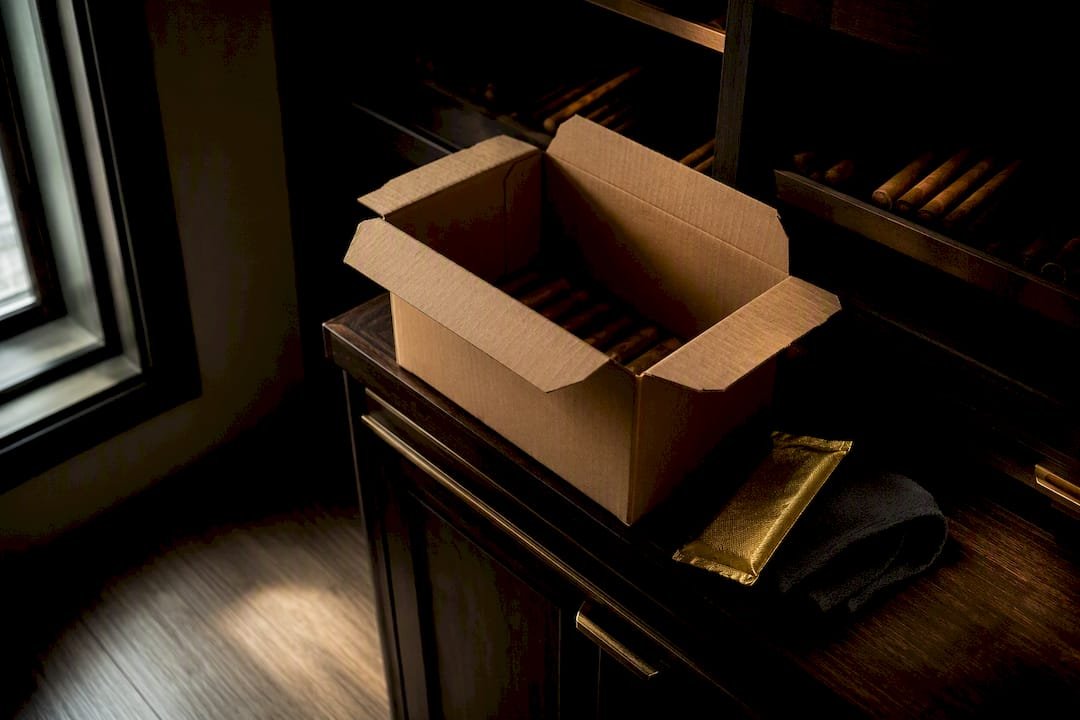
- Inspect the sealed package first. Check for crushed corners or moisture stains before you even open it, a step Vdg-cigars recommends as standard practice.
- Let cold shipments warm up sealed. Opening a cold box immediately invites condensation on the wrapper. Let it sit closed at room temperature for a few hours first.
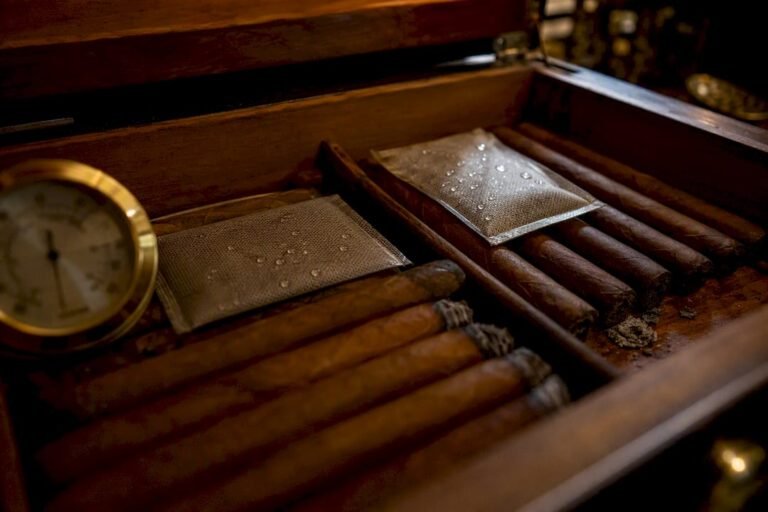
- Move cigars into a stable humidor. Target 65% to 67% relative humidity and 65°F to 70°F. Boveda packs or a calibrated humidification device remove most of the guesswork, a point manufacturer guidance from Boveda backs directly.
- Separate new arrivals temporarily. A dedicated shelf or a tupperdor setup with its own Boveda pack keeps stressed cigars from pulling moisture out of your existing collection.
- Decide on cello. Leaving cellophane on slows moisture exchange slightly, which helps if your humidor swings; removing it speeds acclimation if your RH is rock steady.
Pro Tip: Resist the urge to check and re-check humidity every few hours. Rapid drying or a sudden humidity spike does more damage than a slightly imperfect rest period. Check once a day, not once an hour.
What If Your Situation Doesn’t Match the Table?
Base rules only get you so far. A few overlays handle the edge cases:
- The “twice the transit time” rule. If your box spent five days in transit, rest it for at least ten. This heuristic comes straight from forum-tested experience shared in cigar communities, including a detailed thread on Reddit’s cigar forum, and it scales naturally with how rough the shipment was.
- Fresh factory boxes need 60 to 90 days, not because of shipping stress, but because the tobacco itself hasn’t married yet. This applies whether you bought it locally or had it shipped.
- Winter shipments deserve the full 45 to 60 days. Cold, dry air is brutal on wrappers, and Cigarro’s guidance specifically calls out winter as a scenario that needs the longer end of the range.
- Tubed and cello-wrapped cigars get a pass on most of this. A short rest of a few days to a week usually covers it, since the extra layer buffers a lot of shipping stress on its own.
Got a special occasion coming up before your rest period ends? You can smoke early, but pick your steadiest, best-built stick from the batch, not the one that looked roughest out of the box.
How Do You Know a Cigar Is Ready to Smoke?
Your fingers and nose tell you more than any calendar. Roll the cigar gently between your fingers. It should give slightly under light pressure, not feel rock hard or squish like a sponge.
Smell the foot and wrapper. Rested cigars smell like sweet tobacco and cedar. Ammonia or sourness means it needs more time, not less.
- Draw resistance should feel smooth, not blocked or airy
- The burn line should stay even without constant touch-ups
- Smoke should taste balanced, not sharp or one-note
Statistic callout: Community reporting on Reddit puts typical recovery time at one to four weeks for most shipped cigars, though heuristics like “a day of rest per day in transit” vary by person and shouldn’t replace watching the cigar itself. No amount of resting fixes mold, beetle holes, or a torn wrapper. Reject those outright.
What Thor’s Cigar Vault Recommends After Mail-Call

Retailers who store inventory in properly calibrated humidors ship cigars that need less recovery time than ones sitting in a hot warehouse for weeks. That’s the standard Thor’s Cigar Vault holds its own stock to, and our return policy covers cigars that arrive genuinely damaged, not just under-rested.
After your order lands: inspect the sealed box, let it warm up before opening if it’s cold, separate new sticks from your existing collection for a week or two, and check RH daily until it settles.
— Kevin
Give Your Cigars a Better Place to Rest
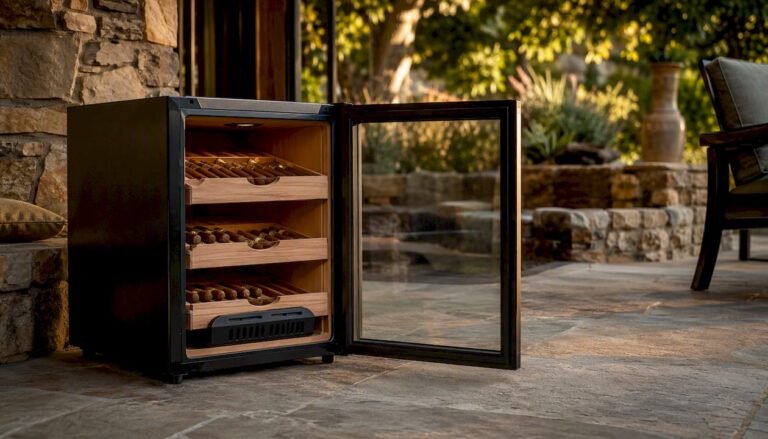
A shaky humidor undoes half the resting advice in this article before it has a chance to work. If your RH swings more than a couple points a day, no amount of patience fixes that, and that’s the gap Thor’s Cigar Vault’s humidors close.

Pair one with Boveda-ready accessories and you’ve got a setup that holds steady through the acclimation window without daily fiddling. If you’re worried about fragile or high-value orders getting knocked around in transit, shipping protection covers that gap too. New customers get 10% off their first order, and every purchase is backed by our return policy if something arrives compromised. Browse the full shop or check current exclusive discounts to get your next order moving toward its resting shelf.
Sources
- How to Rest a Cigar: The First 30 Days Explained | Cigarro
- How long should you let new cigars rest? — The Manual
- The Art of Aging Cigars: How to Store Cigars for Better Flavor — Boveda
- When Are Cigars Ready to Smoke After Purchase? Tips – Vdg-cigars
FAQ
What Is the 30-Day Rule for Resting Cigars?
It’s a conservative guideline recommending you wait 30 days after shipping before judging a cigar’s quality, with longer waits for winter shipments or long transit, according to Cigarro.
Is Smoking One or Two Cigars a Week Fine for a New Batch?
Yes, smoking one or two cigars a week from a rested batch is a normal pace and won’t affect how the remaining cigars in your humidor continue to stabilize.
Is a Cigar Ruined If It Dries Out?
Not always. A dried-out cigar can often be brought back with slow rehydration in a properly humidified space, but cracked wrappers or mold are usually beyond saving.
How Long Should Cigars Rest in the Humidor Before Smoking?
Give shipped cigars a minimum of one week, though two weeks to a month is the practical sweet spot most experts point to for noticeably better flavor, per The Manual.