Taste Terroir: Four Puro Origins and U.S. Examples to Try
A puro is a cigar whose wrapper, binder, and filler all come from one country, no exceptions. The word is Spanish for “pure,” and outside the humidor it also shows up as Southwestern U.S. slang, sometimes meaning “cigar,” sometimes just meaning “totally” or “for real.” Several retailers stock genuine puro examples if you want to taste the difference yourself rather than take it on faith.
TL;DR:
- Authentic puros require all three tobacco components—wrapper, binder, and filler—to come from the same country, regardless of branding or labeling.
- Cuban “Habano” cigars are typically puros due to regulations, but the term “puro” is primarily about origin, not quality, so always verify country of origin details.
- Regional terroir strongly influences puro flavor profiles, with Nicaragua offering bold and peppery notes, while the Dominican provides smoother, cocoa-like flavors, and Honduras falls in between.
- Puros are often seen as a transparent way to taste a country’s agricultural character, but a skilled blend from multiple origins can outperform a mediocre puro.
- Outside tobacco, “puro” is slang in the Southwestern US and Texas for “authentic” or “real,” shifting its meaning from cigars to regional pride or emphasis.
Table of Contents
- What Makes a Cigar a Puro
- Puro vs. Blended: What “Habano” Actually Means
- Why Manufacturers Bother Making Puros at All
- Puro Origins Worth Knowing, and Where to Try Them
- Is a Puro Actually Better Than a Blend?
- When “Puro” Isn’t About Cigars at All
- My Take on Tasting Your First Puro
- Where to Find Real Puros Without the Guesswork
- Sources
- FAQ
What Makes a Cigar a Puro
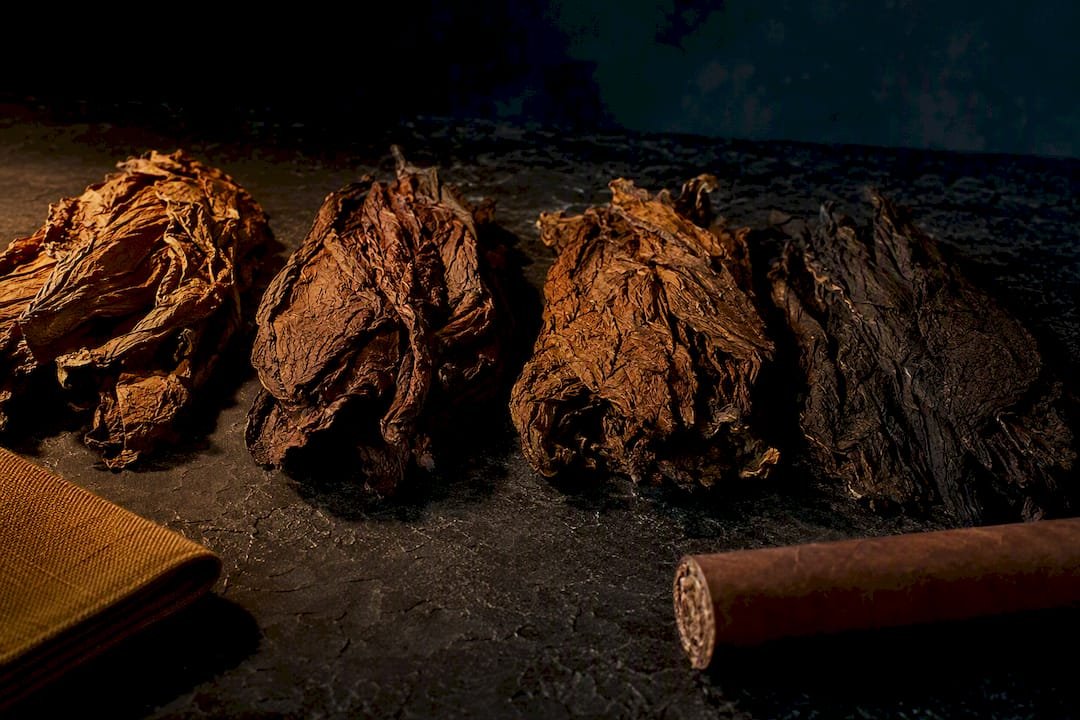
Every premium cigar is built from three tobacco components, and each one can, in theory, come from a different country. The wrapper is the outer leaf, thin and cosmetic but responsible for a huge share of the flavor you taste in the first third. The binder holds the filler bunch together and burns evenly if it’s cured right. The filler is the bulk of the blend, usually a mix of ligero, seco, and viejo leaves chosen for strength and combustion.
A cigar earns “puro” status only when all three trace back to a single country. That’s a documentable fact, not marketing language, and it comes down to where the tobacco was actually farmed, not where the cigar was rolled or boxed.
- Wrapper: the visible leaf, biggest flavor driver
- Binder: structural leaf, affects burn quality
- Filler: the blend’s engine, drives strength and body
Here’s the part most smokers miss: a cigar can be a legitimate puro without the band or box ever using the word. Manufacturers use “puro” as a marketing flourish when it helps sell the story, but plenty of single-country blends never bother printing it. The definition centers on origin, not labeling, so read the fine print on the country of origin rather than trusting the buzzword alone.
Puro vs. Blended: What “Habano” Actually Means
A blended cigar mixes tobacco from two or more countries on purpose, chasing balance the way a winemaker blends grape varietals. A Dominican wrapper over Nicaraguan filler with a Honduran binder isn’t a flaw. It’s a deliberate formula built for consistency and complexity a single origin sometimes can’t deliver alone.
“Habano” confuses people because it sounds interchangeable with puro. It isn’t. Habano is a denomination tied to Cuban tobacco and seed lineage, similar to how “Champagne” only means something from that region of France. Because Cuban law requires every component of a Habano to be grown on the island, Cuban Habanos end up being puros by regulation, even though the word “puro” rarely appears on the box.
- Blended = origins mixed on purpose for balance
- Puro = wrapper, binder, and filler all from one country
- Habano = Cuban-specific denomination that happens to guarantee puro status
Read the band and the fine print together. A cigar can call itself “Cuban seed” while being grown entirely in Nicaragua or Honduras. That phrase describes genetics, not geography, and it’s one of the more common label tricks that trips up new buyers.
Why Manufacturers Bother Making Puros at All
Blending exists because it’s forgiving. If a country’s wrapper crop is thin one season, a blender swaps in leaf from somewhere else and the profile survives. A puro has no such safety net, which is exactly why making one well is a statement.
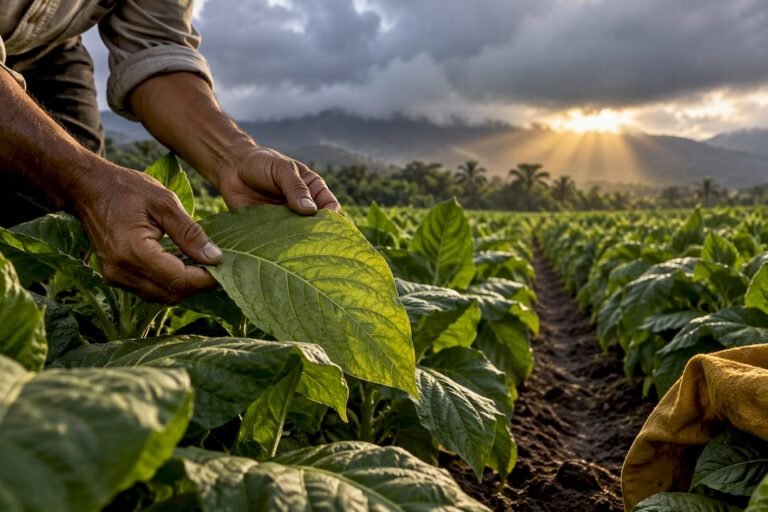
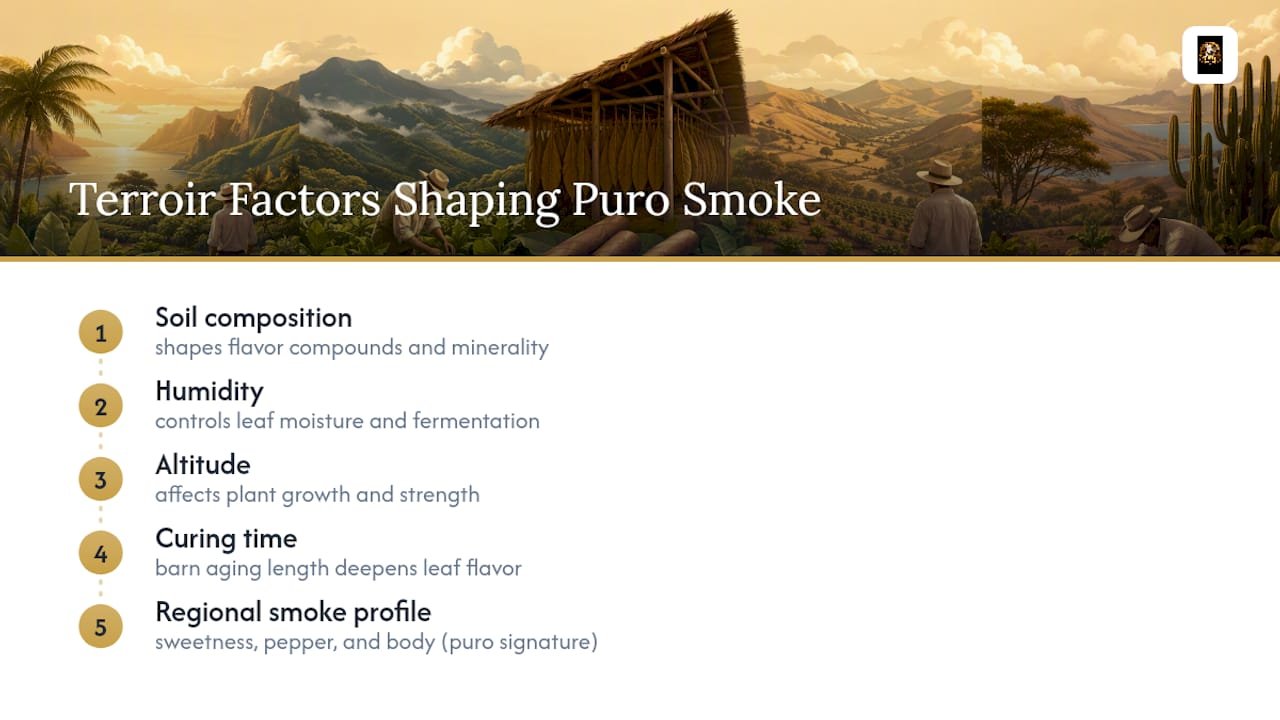
Terroir explains most of the difference in character between a Nicaraguan puro and a Dominican one, as detailed in this guide to aromi tobacco blended. Soil composition, humidity, altitude, and how long the leaf cures in the barn all shape the final smoke, the same variables that separate one region’s coffee or wine from another’s. A puro is the clearest way to taste that regional signature because nothing from outside the country dilutes it.
Wrapper leaf is the real bottleneck. Growing a wrapper that’s cosmetically flawless, elastic enough to roll, and flavorful enough to carry a cigar is far harder than growing filler tobacco. A country that can produce quality wrapper, binder, and filler leaf all on its own is demonstrating serious agricultural depth, not just decent dirt in one valley. That’s why a puro from a serious tobacco-growing nation functions almost like a resume for the whole industry there.
Pro Tip: Buy two puros from different countries, say a Nicaraguan and a Dominican, and smoke them back to back on the same evening. The contrast in sweetness, pepper, and body tells you more about terroir in twenty minutes than any tasting notes card ever will.
Puro Origins Worth Knowing, and Where to Try Them
Four countries dominate puro production, and each has a recognizable personality in the blend.
- Cuba: earthy, leathery, and famously restrained on sweetness, the benchmark most other regions get compared against.
- Nicaragua: bold, peppery, and often the most powerful of the four, thanks to rich volcanic soil in regions like Estelí and Jalapa.
- Dominican Republic: smoother and creamier, leaning on cocoa and mild spice rather than raw horsepower.
- Honduras: sits between Nicaragua and the Dominican in strength, with a woodsy, slightly sharper edge.
If you want to taste these differences without guessing, Thor’s Cigar Vault carries several straightforward examples. The Espinosa Knuckle Sandwich Nicaraguan Puro Toro delivers exactly what the country’s terroir promises: dense, peppery, and unapologetically strong. Padron’s lineup leans the same direction, and both the Padron 1926 No.90 Maduro and the Padron 1964 Natural Hermoso showcase Nicaraguan puro construction at two different strength levels. For Dominican character, the Arturo Fuente Opus X Society is one of the most recognizable puro-style releases from that region, prized enough that boxes disappear fast when new allocations land. If you’d rather sample broadly before committing, the La Flor Dominicana Carbon Flower Sampler gives you several angles on Dominican tobacco in one order.
Availability shifts constantly, especially with limited releases, so check current stock before building a whole evening around one specific stick.
Is a Puro Actually Better Than a Blend?
Not automatically, and anyone who tells you otherwise is selling something. A puro’s biggest strength is transparency: what you taste is genuinely what that country’s soil, climate, and curing process produced, with nothing else mixed in to smooth over weak spots. Collectors also gravitate toward puros because single-origin releases tend to be smaller batches, which drives up their appeal on the secondary market.
The tradeoff is real too. A puro is locked into whatever that one country’s tobacco can deliver that year, while a skilled blender can pull from multiple regions to patch a weak crop or balance a harsh note. A great blend, built by someone who knows what they’re doing, can easily outperform a mediocre puro. Origin alone guarantees nothing about skill in the rolling room.
If you’re tasting a puro for the first time, run it through this quick checklist:
- Note the wrapper color and check if the flavor matches what you’d expect from that leaf shade.
- Track how the profile shifts from first third to last, since single-origin tobacco often changes more dramatically as it heats up.
- Compare it against a blended cigar in the same price range the same week, while the memory of both is fresh.
One useful signal, according to industry analysis on puro construction: puro labeling is really about origin transparency, not a built-in quality guarantee, so judge the smoke on its own merits rather than the label alone.
When “Puro” Isn’t About Cigars at All
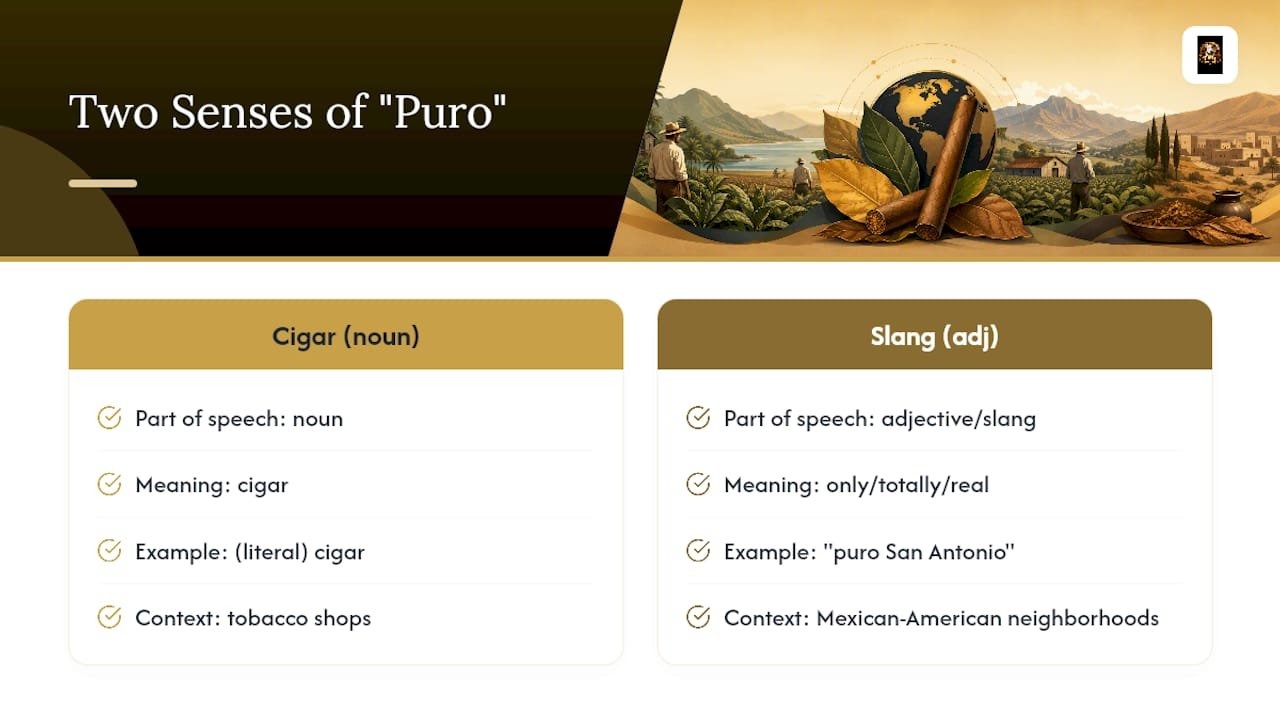
Step outside the tobacco shop and “puro” shifts meaning fast. Dictionary where the word functions as slang for “only,” “totally,” or “real,” as in describing something as pure, unfiltered truth. In neighborhoods with strong Mexican-American cultural roots, especially in Texas, you’ll hear it used as an emphatic adjective that has nothing to do with tobacco whatsoever.
San Antonio is a good example of this shift in action. Locally, “puro” gets attached to pride statements, “puro San Antonio” meaning something like “authentically, unmistakably San Antonio.” Merriam-Webster’s entry also lists the straightforward noun sense meaning “cigar,” confirming both usages sit comfortably in the same word, just triggered by different context.
My Take on Tasting Your First Puro
Skip the single-cigar leap of faith and start with a small sampler instead. Tasting two or three puros from different countries in the same sitting, rather than buying one box and hoping, teaches you more about terroir than any amount of reading. That’s the approach worth taking before you commit to a full box of anything.
If you want a low-risk way in, the Foundation Elite Sampler is a reasonable starting point for comparing profiles side by side without overcommitting to one region.
— Kevin
Where to Find Real Puros Without the Guesswork
Reading about terroir only gets you so far. At some point you need actual puros in a humidor, not just theory about them. Some retailers curate single-country releases alongside blended options, so you can compare the two directly instead of relying on a band that may or may not print the word “puro” honestly.
Browse the full cigars category for single-origin releases from Nicaragua, the Dominican Republic, and beyond, or start smaller with a curated sampler if you want to compare regional profiles before buying a full box. Limited releases move fast, so check the limited releases page if a specific puro catches your eye.
Sources
For definitions and deeper reading, Cigarro’s puro explainer covers the origin requirement in detail, while TheNextCigar’s breakdown clarifies the puro versus habano distinction. For the word’s non-cigar meanings, Dictionary.com and Merriam-Webster both document Southwestern usage and etymology, and Wiktionary traces the Spanish roots behind both senses of the word.
- What Is a Puro Cigar? The Real Definition | Cigarro
- The Secret Lives of Cigars: What ‘Puro,’ ‘Habano,’ and ‘Tobacco’ Really Mean for Your Smoke — TNext Cigar
- Dictionary
- PURO Definition & Meaning | Merriam‑Webster
FAQ
What makes a cigar a puro?
A cigar is a puro when its wrapper, binder, and filler all come from the same country, with no components imported from elsewhere. The claim is about documented agricultural origin, not the presence of the word “puro” on the packaging.
Is a puro the same as a habano?
Not exactly. “Puro” describes single-country origin, while “habano” is a denomination specific to Cuban tobacco and seed lineage, and because Cuban law requires all components to be grown on the island, every Habano also happens to be a puro.
What does “puro” mean outside of cigars?
In parts of the Southwestern United States, “puro” functions as slang meaning “pure,” “only,” or “totally real,” often used for emphasis rather than to describe tobacco. Dictionary.com documents this regional usage alongside the standard cigar meaning.
What does “puro” mean in San Antonio?
In San Antonio and similar Texas communities, “puro” is often attached to local pride, as in “puro San Antonio,” meaning something authentically and unmistakably tied to that place. The meaning shifts entirely with context, from tobacco to identity, depending on who’s using it.
Where can I buy real puro cigars in the U.S.?
Thor’s Cigar Vault carries several genuine single-country releases, including Nicaraguan and Dominican puros, browsable directly on the cigars category page. Current pricing and availability are listed on each product page since allocations shift with limited releases.