How to Fix a Wavy Cigar Burn Fast
If your cigar has a wavy burn, rotate the slow side to 6 o’clock, take a couple of gentle puffs, and touch up the lagging edge with a butane torch in short bursts. A wavy burn (sometimes called canoeing) happens when one side of the cigar burns faster than the other, leaving a jagged, uneven ember line instead of a flat, even ash. Most of the time you can correct it within a minute without ruining the smoke.
Here’s the priority order:
- Rotate first. Turn the cigar so the slow, unburned side faces down at 6 o’clock, letting heat rise naturally to even things out.
- Puff gently. A couple of soft draws often coaxes the ember back into line before you need a flame.
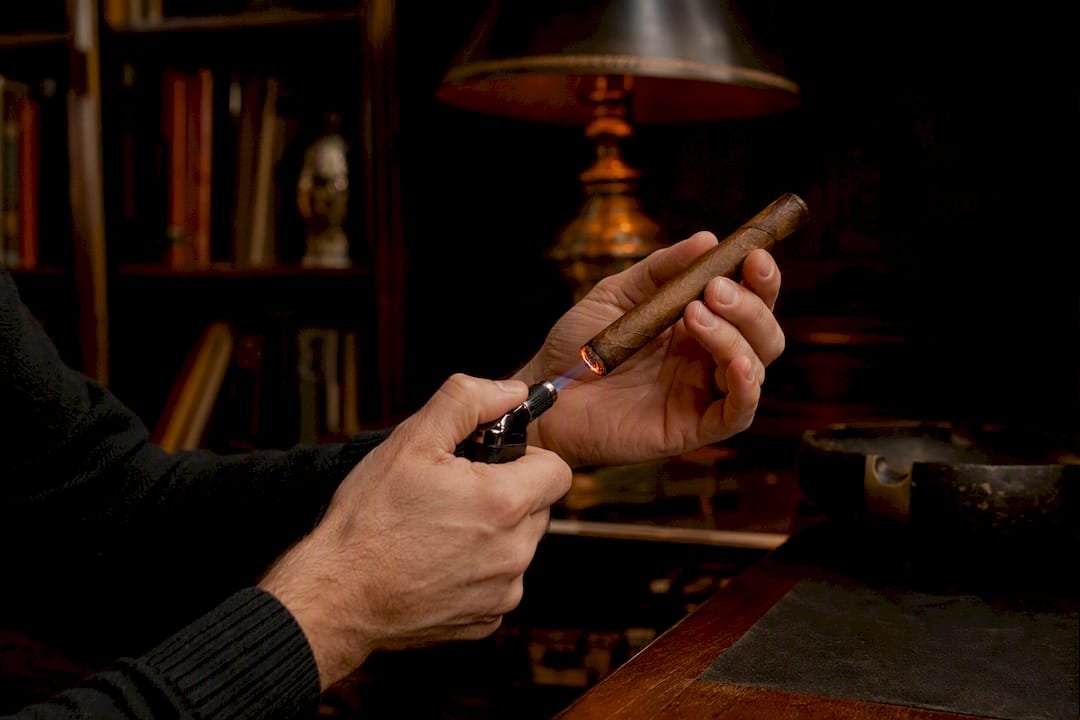
- Touch up if needed. Hold a butane torch just below the lagging edge for a few short bursts, rotating slowly.
If the wave keeps growing past a quarter inch or so, a full relight is worth the pause. Check your storage humidity and lighting technique afterward, since both are common root causes.
Key Takeaways
A wavy cigar burn almost always traces back to a rushed light, uneven humidity, or a construction flaw, and rotating plus a short torch touch-up fixes most cases within a minute.
| Point | Details |
|---|---|
| Diagnose before fixing | Canoeing, tunneling, and mouseholing look similar but need different corrections. |
| Rotate before you relight | Turning the slow side to 6 o’clock often self-corrects a wavy burn without a flame. |
| Use a butane torch | Torch or soft-flame butane lighters toast more evenly than Zippos or oil-based flames. |
| Keep humidity in range | Store cigars at recommended relative humidity and temperature ranges to prevent tunneling. |
| Practice before you commit | Thor’s Cigar Vault recommends toasting technique on affordable cigars before premium sticks. |
Table of Contents
- What a Wavy Cigar Burn Actually Looks Like
- The Right Order of Operations for Fixing It
- Choosing Tools and Habits That Prevent Uneven Burns
- Storage and Pre-Light Checks That Stop the Problem Before It Starts
- When to Stop Fighting a Bad Burn
- What Thor’s Cigar Vault Recommends for Building Better Habits
- Getting Your Kit Right Makes the Difference Nobody Talks About
- Get Set Up With the Right Tools for a Clean Burn Every Time
- Authoritative Guides for Deeper Technique
- Sources
- FAQ
What a Wavy Cigar Burn Actually Looks Like
Not every uneven ember is the same problem, and mixing them up leads to the wrong fix. Here’s how to tell them apart before you reach for a torch.
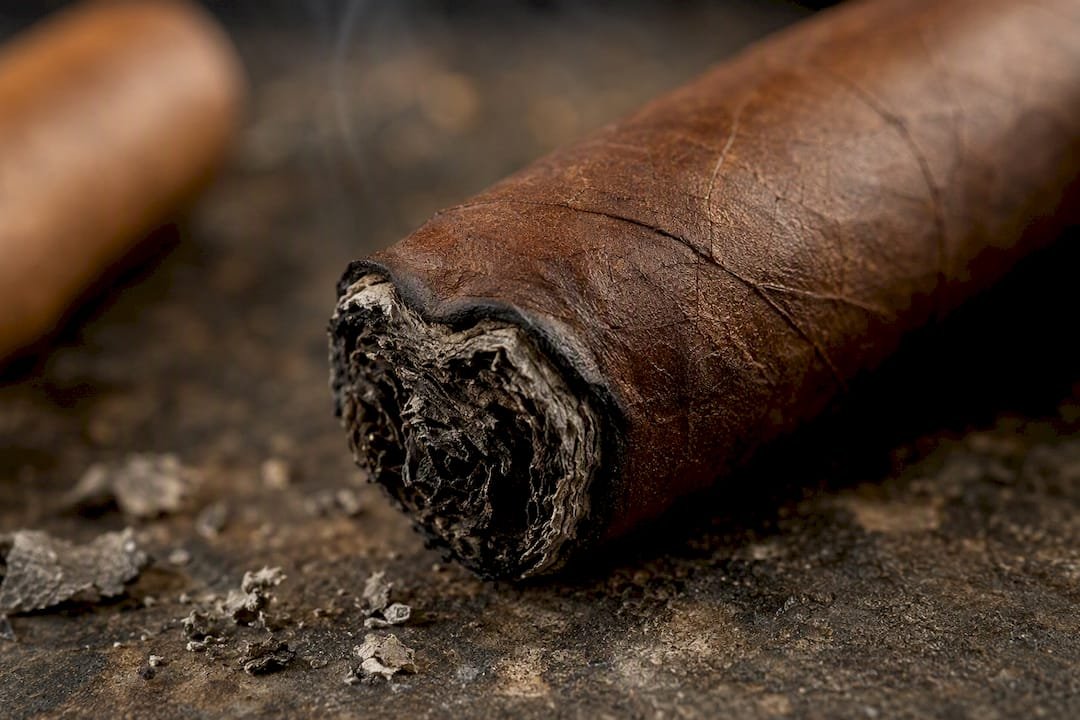
- Canoeing: one side of the cigar burns down faster, and the ash curls to one side like the hull of a boat. This is the classic wavy burn, and it’s almost always a lighting or airflow issue.
- Tunneling: the center burns hot and hollow while a ring of unburned tobacco stays intact around the edge, leaving a chimney-like hole in the ash. This points to a dry core or an overly tight roll.
- Mouseholing: a small, off-center hole appears in the wrapper near the foot, usually from a weak spot or a flaw in the binder leaf underneath.
- Cracked wrapper burn: the burn line jumps or flares at a visible crack or soft spot in the wrapper itself.
The cause map is fairly predictable. A rushed or crooked initial light almost always produces canoeing. A cigar that’s been sitting too dry produces tunneling because the core ignites faster than the denser wrapper leaf around it. A soft spot or visible seam issue in the wrapper produces the jagged, localized burn that won’t respond to rotation. If you see the same uneven pattern return again and again on cigars from the same box, that’s less about your technique and more about a construction issue you can’t fix with a lighter.
The Right Order of Operations for Fixing It
Work through these steps in sequence rather than jumping straight to the torch. Most wavy burns resolve at step one or two.
- Rotate and observe. Turn the cigar so the fast-burning side is up and the slow side faces down toward the flame’s natural heat path. Take one relaxed puff and watch the ember for ten to fifteen seconds before doing anything else.
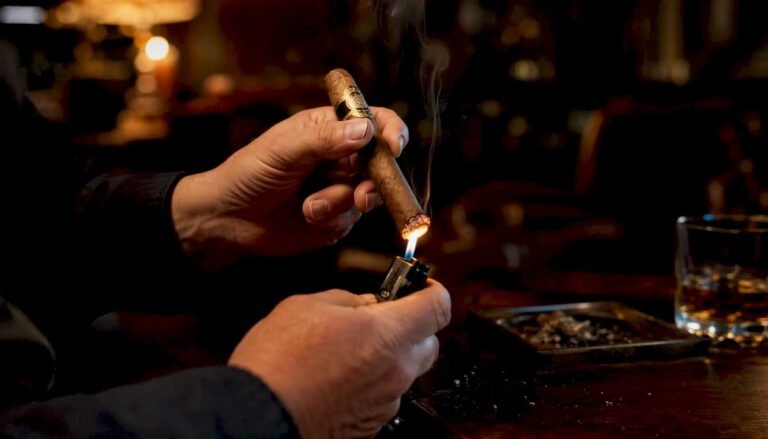
- Touch up the lagging edge. If rotation alone doesn’t even things out, hold your torch flame just below the foot, close to but not touching the tobacco, and apply short one or two second bursts directly on the slow side while rotating the cigar slowly. Avoid burying the whole foot in flame, which just re-chars everything and makes the wave worse.
- Relight if the touch-up fails. Purge the old smoke with a firm puff, then toast the foot the same way you did the first time, holding the flame near but not touching the tobacco and rotating until the entire rim glows orange. Draw gently while rotating until the ember is even before you set the flame down. The Cigar Aficionado guide to lighting recommends this same toast-then-draw sequence for a clean initial light, and it works just as well for a correction.
- Try the fingertip dab for stubborn edges. Lightly moisten a fingertip and touch it briefly to the fast-burning side of the ash line. This slows combustion on that edge just enough to let the slower side catch up, and it’s a recognized micro-fix among experienced smokers when used sparingly, according to The Manual’s smoking guide.
A relight only really works within a fairly short window. If a cigar has gone out for close to an hour or more, the relit smoke tends to taste flat and stale, so it’s worth doing sooner rather than later, per the same cigar smoking guide.
Pro Tip: Keep your torch angled so the flame licks the side of the foot rather than pointing straight up into the tobacco. A direct blast from underneath tends to scorch one spot instead of evening out the whole ring.
Some waviness is completely normal and not worth chasing. A curl under about a quarter inch typically self-corrects as you keep smoking, and constantly touching up a barely-there wave can actually make things worse by over-drying one section of wrapper.
Choosing Tools and Habits That Prevent Uneven Burns
A butane torch with an adjustable flame beats a Zippo or oil-based lighter almost every time. Fluid-fueled flames leave a fuel taste on the wrapper and burn less consistently, while torch and quality soft-flame butane lighters produce a clean, controllable heat that toasts rather than chars, according to Cigar Aficionado.
- Toast the foot patiently before drawing, rotating the cigar so the whole rim gets even exposure.
- Watch for over-toasting: if the wrapper starts blackening beyond the very edge of the foot, you’ve held the flame too long or too close.
- A punch cut restricts airflow more than a straight cut, which can slow the draw and sometimes helps tame a cigar that burns hot on one side; a wider straight cut opens up more surface but demands more attention to even lighting.
- Pace your puffs to keep the ember from overheating, as rapid puffing is a common hidden cause of a wavy burn.
Hands-on comparisons back this up: a careful toast followed by a couple of gentle ignition puffs consistently produces cleaner starts than aggressive direct-flame lighting, based on repeated testing documented by Flight Wine Bar’s cigar guide. Outdoors, wind is the wildcard. Cup your hand around the flame while toasting, and keep your ash trimmed to about an inch, since a longer ash can insulate the ember and skew airflow in a breeze, per The Manual.
Storage and Pre-Light Checks That Stop the Problem Before It Starts
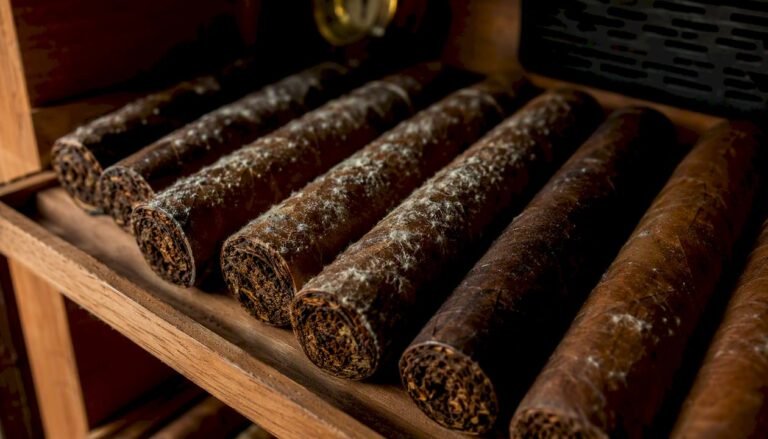
Most wavy burns trace back to storage long before they trace back to your lighter. Below that range, the core dries out faster than the wrapper and sets up the conditions for tunneling. Above it, tobacco burns unevenly and can even mold. This range shows up consistently across cigar-care guidance, including Flight Wine Bar’s storage recommendations.
Before you light up, run two quick checks:
- Cold-draw test. Draw air through the unlit cigar. It should feel like sipping through a straw, not wide open and not blocked. A plugged draw often signals a construction problem that no lighting technique will fix.
- Wrapper check. Run your fingers along the length looking for soft spots, cracks, or an oily sheen. Any of these can predict where the burn will misbehave later.
If a cigar just arrived by mail or came back from a trip, give it a few days in your humidor before smoking it. Sudden shifts in humidity from shipping boxes or car trunks are a common, overlooked cause of an otherwise good cigar burning wavy on its first light. A dedicated travel case, like a carbon fiber cigar case, helps buffer that swing when you’re moving cigars between environments.
When to Stop Fighting a Bad Burn
Sometimes the fix isn’t a fix. Here’s how to know when to let it go rather than keep chasing the flame.
- If canoeing keeps returning after two or three touch-ups, check your humidor’s RH first. If it’s in range, the cigar likely has a core or roll issue you can’t correct by hand.
- Tunneling with a burned center and an intact outer ring rarely responds well to relights. You can try a slow, patient relight, but persistent tunneling usually points to construction, not technique.
- A cracked wrapper needs gentle handling. Don’t force a touch-up flame onto a crack, since it tends to widen and flake further. If it keeps unraveling, it’s reasonable to set the cigar down.
- If you feel lightheaded, nauseated, or shaky, that’s nicotine sickness, not a burn problem. Set the cigar down, drink water, and let a few minutes pass before deciding whether to continue.
What Thor’s Cigar Vault Recommends for Building Better Habits
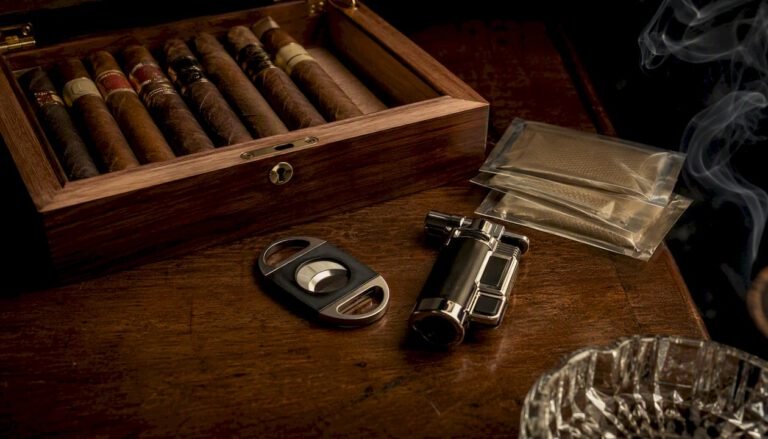
A dependable starter kit solves most wavy-burn problems before they start: a quality butane torch, a sharp cutter, and a small humidor or travel case to keep humidity steady between smokes. Our staff’s standing advice is to practice your toast-and-rotate technique on a moderately priced stick, like the Artesano Del Tobacco The Squid, before you bring the torch anywhere near a premium box. Muscle memory for flame control prevents far more canoeing than any single tip in this guide.
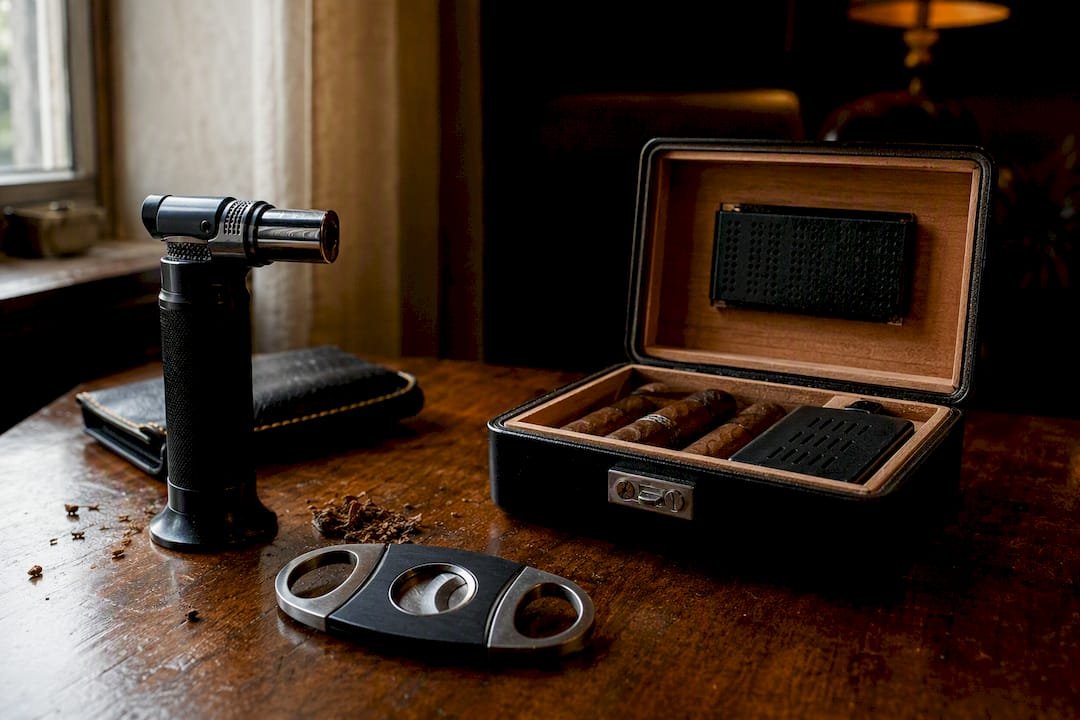
Getting Your Kit Right Makes the Difference Nobody Talks About
Most guides to wavy cigar burns focus entirely on flame technique, and that’s only half the story. In our experience, the lighter itself causes more uneven burns than bad rotation habits ever do. A cheap butane torch with an unstable flame will fight you no matter how carefully you toast, while a well-built one with a steady, adjustable jet does half the work automatically.
The other overlooked piece is pacing. Smokers in a hurry puff too fast, overheat one side of the ember, and then blame the cigar’s construction when the real cause was a stopwatch problem. Slow down, and a surprising number of “bad burns” simply stop happening. If you take one thing from this guide, let it be that patience with the toast matters more than any specific brand of torch or cutter you buy. Build that habit on inexpensive cigars first, and you’ll rarely need the fixes at all by the time you light something worth savoring.
— Kevin
Get Set Up With the Right Tools for a Clean Burn Every Time
A wavy burn is often less about your technique and more about the gear in your hand. Thor’s Cigar Vault curates torch lighters, cutters, and humidors that hold their calibration and their humidity, so the tools themselves stop working against you.

Instead of guessing which cheap torch will hold a steady flame, browse the shop for tested lighters and cutters, or start with a proven stick like the Raching RR780 Havana Tan to practice your rotation technique before moving to something rarer.
Authoritative Guides for Deeper Technique
For video demonstrations and additional detail, check the Cigar Aficionado lighting guide, Xikar’s lighting fundamentals, and The Manual’s beginner’s guide.
Sources
- How To Light A Cigar | Cigar Aficionado
- How to smoke a cigar properly: The ultimate beginner’s guide – The Manual
- How To Smoke A Cigar (2026 Guide)
- Cigar Lighting 101 – Xikar
FAQ
How do you get rid of a cigar burn once it starts?
Rotate the cigar so the slow side faces the flame, take a gentle puff to see if it evens out, and if not, touch up the lagging edge with short torch bursts while rotating slowly.
Is smoking two cigars a week a lot?
That’s a personal and health choice outside the scope of burn technique, but from a pacing standpoint, spacing cigars out gives your palate time to reset and makes it easier to notice burn issues before they compound.
Which side of a cigar burns faster?
Whichever side gets more direct airflow or was lit less evenly typically burns faster, which is exactly why rotating the slow side toward the flame’s heat path during a touch-up helps correct a wavy burn.