Rehydrate Dried Cigars in 2 to 8 Weeks: 3 Stage 62% to 69% Plan
Often yes: if the wrapper is intact, you can restore a dried out cigar by rehydrating it slowly in a sealed container with a low humidity two way pack (start around 62% RH) and a calibrated digital hygrometer. Skip the quick fixes. Steam and wet sponges do more damage than the dry spell ever did.
TL;DR:
- Restoring a dried cigar requires a staged approach, gradually increasing humidity from 62% to 69% over 2 to 8 weeks, depending on dryness severity.
- Use airtight containers with two-way Boveda packs and a calibrated digital hygrometer, avoiding quick fixes like sponges or direct water contact that cause damage.
- Discard cigars with cracked wrappers, mold, or crumbly fillers, and keep the cellophane on during initial storage to prevent further drying.
- A gentle pinch test and a sacrificial smoke test help determine when a cigar has regained sufficient moisture and is ready to smoke.
- Never jump more than 3 to 5 percent humidity between stages, and extend stages if readings are unstable or the cigar remains stiff to ensure safe, complete restoration.
Table of Contents
- How to assess if a dried cigar is worth restoring
- Step-by-step staged restoration plan: 62% to 65% to 69%
- Containers and equipment: tupperdors, packs, and hygrometers
- What to avoid: dangerous shortcuts and common mistakes
- Monitoring progress and confirming readiness to smoke
- Practitioner notes: calibration, patience, and edge cases
- Where to get restoration supplies and premium cigars
- Sources
- FAQ
How to assess if a dried cigar is worth restoring
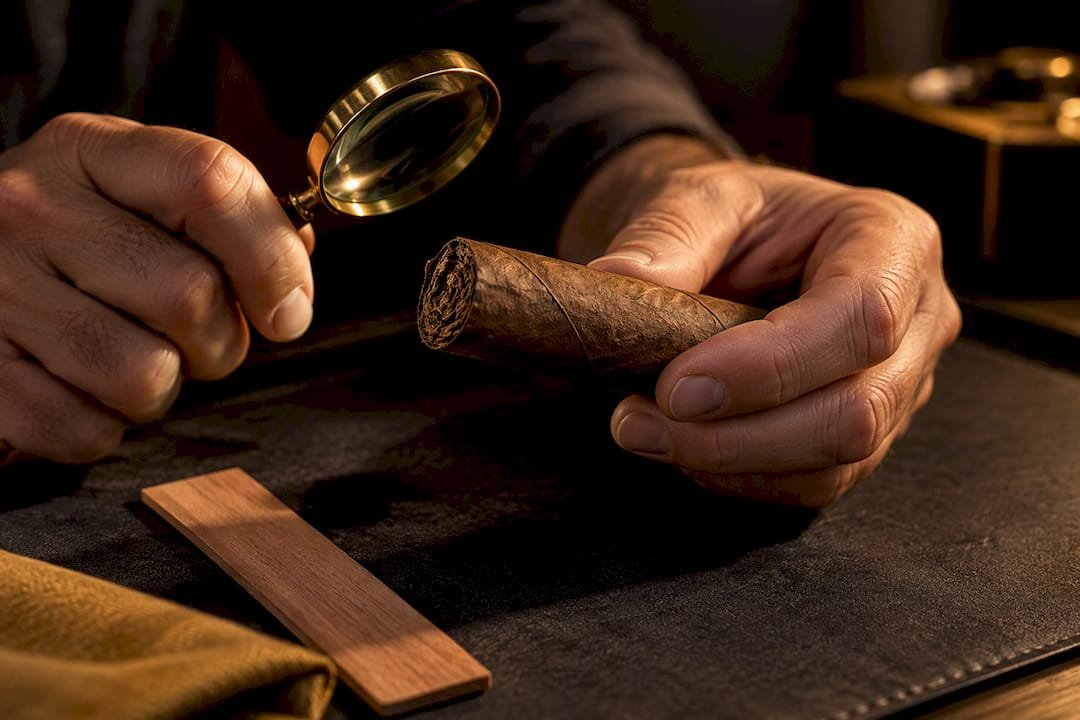
Not every stick deserves the effort. A cigar with a cracked or shattered wrapper, deep discoloration, or a filler that has turned brittle and crumbly is usually past saving. White, fuzzy mold is a hard stop and means the cigar should be discarded, while a light dusting of gray or blue powder is likely plume, a harmless crystallized sugar that brushes off and does not affect flavor.
A gentle pinch test tells you a lot. Squeeze the cigar lightly along its length: if it feels rock hard with no give and you hear a faint crackle, the filler has lost most of its oil and restoration will take longer and may not fully succeed. If it still has a little spring to it, the odds are good.
Before you start:
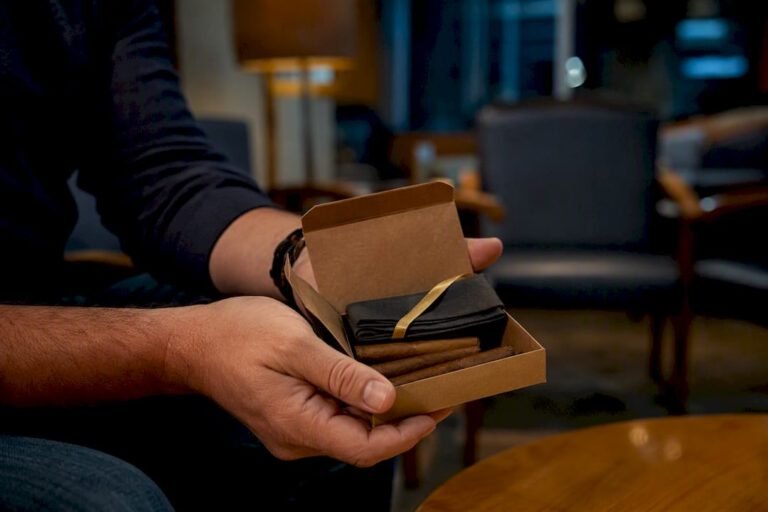
- Keep the cellophane on during transport and early storage since it slows moisture loss and protects the wrapper from handling damage.
- Discard any cigar with visible mold, wrapper splits that expose the binder, or a filler that crumbles when pinched.
- Keep any cigar with an intact wrapper, some flexibility, and only surface dryness.
- When in doubt, isolate the questionable stick in its own bag for a few days before committing it to the main restoration batch.
Step-by-step staged restoration plan: 62% to 65% to 69%
The safest path back to smokable is a slow climb in relative humidity, never a jump. Boveda’s rehydration guidance recommends staged increases of 62% to 65% to 69% rather than dropping a bone-dry cigar straight into a 70% humidor, because a sudden spike risks cracking the wrapper or seeding mold.
The staged approach mirrors what Rapidrepair calls a three-phase recovery, each phase with its own job.
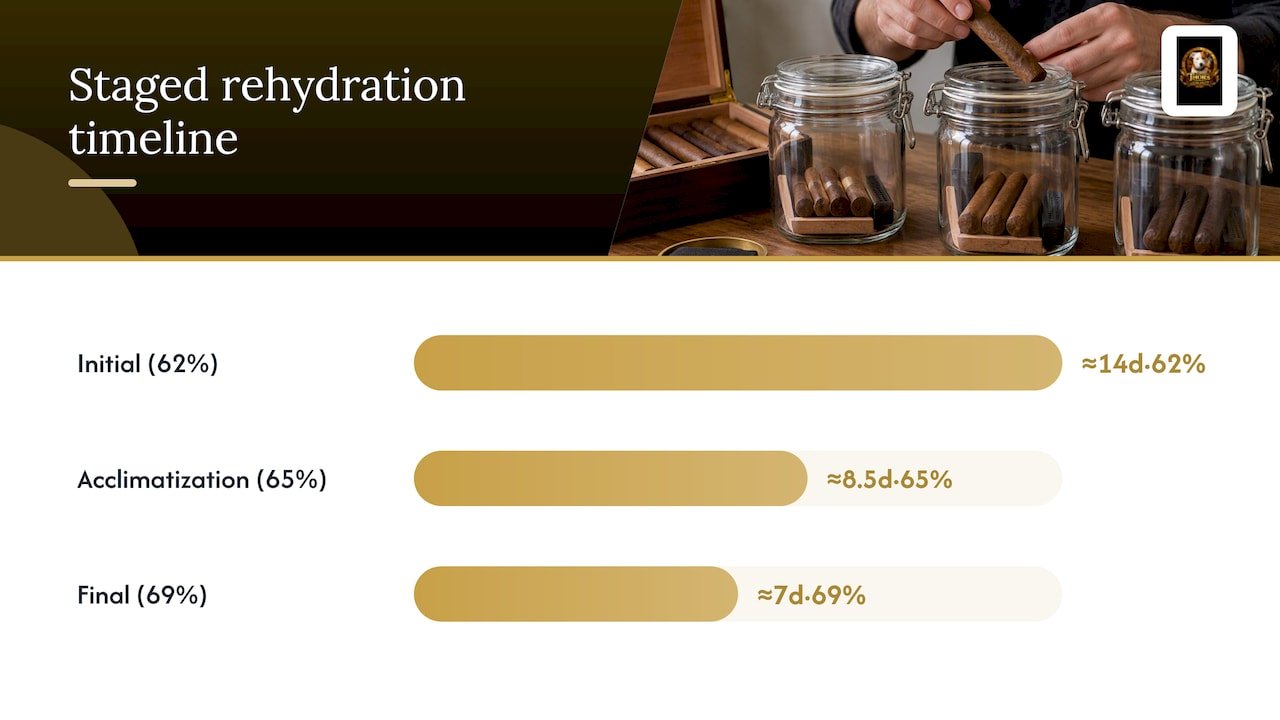
- Initial awakening (about 14 days): Place the cigar in an airtight container with a Boveda pack set to 62% RH. For very dry sticks, starting at the lower end matters more than speed.
- Acclimatization (7 to 10 days): Swap in a 65% RH pack so the filler can start absorbing moisture the wrapper already took in.
- Final stabilization (about 7 days): Move to a 69% RH pack to lock in flavor and bring the cigar to a normal smoking humidity.
Rotate the cigars every 48 hours during the early phase so no single side of the wrapper absorbs faster than the rest, and briefly open, or “burp,” the container every few days to refresh the air inside. Do not light anything until the final stage is complete.
| Restoration Stage | Recommended RH Pack | Primary Objective |
|---|---|---|
| Starting RH | 62% | Initial Awakening |
| Acclimatization | 65% | Cellular Expansion |
| Final Storage | 69% | Flavor Stabilization |
Most cigars come back over 2 to 4 weeks, but severely dried sticks can take 4 to 8 weeks or longer, and that patience is the whole point of the method. Never jump more than about 3 to 5 percent RH between stages. A faster climb overwhelms the wrapper before the filler catches up.
Pro Tip: Label your container with the start date and current RH stage so you’re never guessing how far along a batch is.
Containers and equipment: tupperdors, packs, and hygrometers
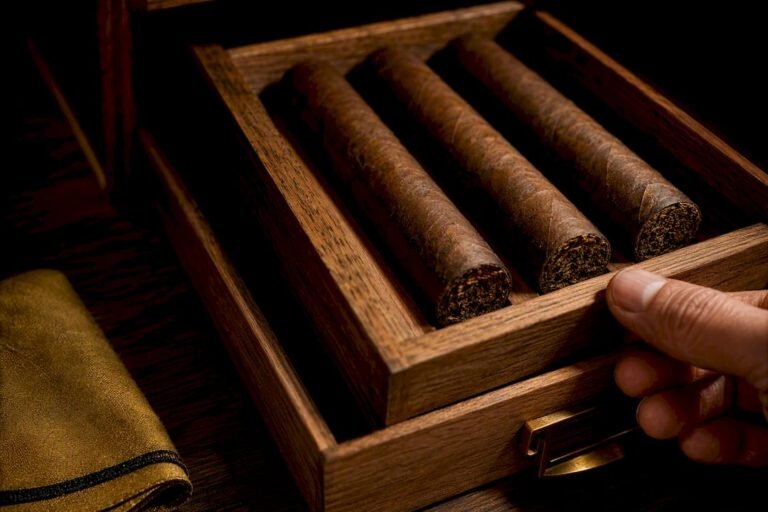
A non-porous, airtight container, often called a tupperdor when it is a repurposed food-safe box, works better than a porous cedar humidor during active restoration because it holds a stable RH without the wood pulling moisture in unpredictable directions. A sealed humidor bag does the same job for smaller batches.
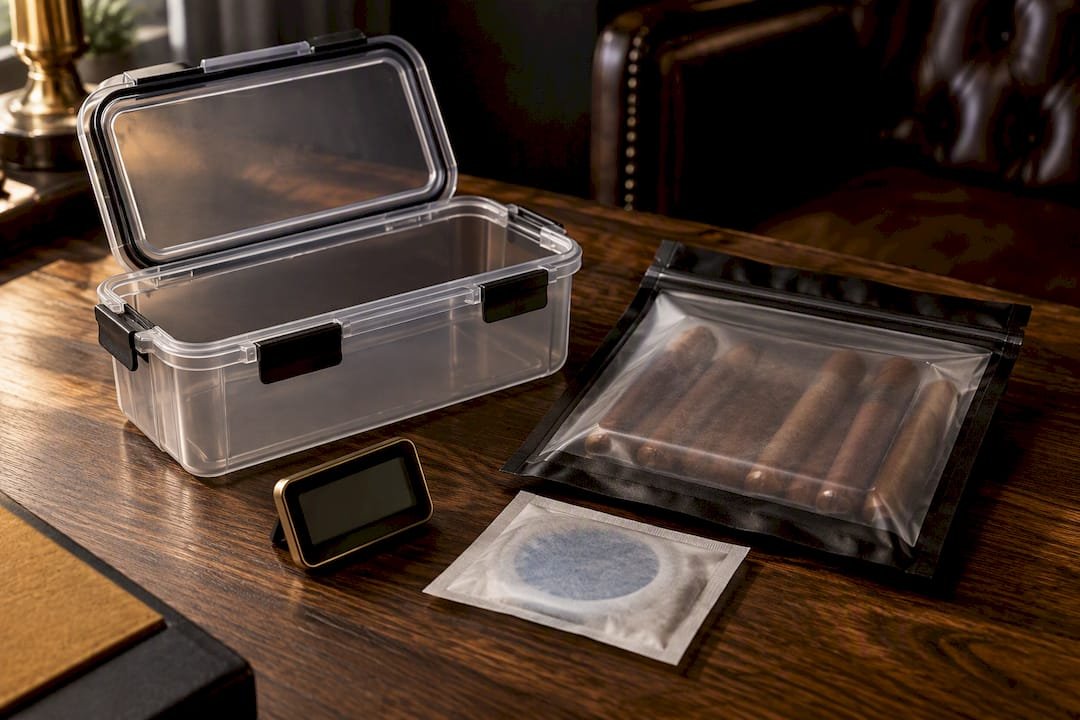
Two-way humidity packs like Boveda maintain a fixed RH by releasing or absorbing moisture as needed, which is why they beat wet sponges or humidity beads for this job: sponges and beads spike and swing, while a two-way pack holds its target line. Roughly 10% is how far off many hobbyist analog hygrometers can read according to a hygrometer calibration guide, which is enough error to ruin a delicate restoration if you trust the wrong number. A digital hygrometer, checked with a salt test, gives you a reading you can actually plan around.
A basic restoration kit:
- An airtight, food-safe container sized for your batch.
- Boveda packs at 62%, 65%, and 69% RH for each stage.
- A calibrated digital hygrometer, like our guide to the 75% salt test walks through.
- A marker or label to track start dates and current stage.
- A sacrificial, less prized stick to smoke-test before committing your good cigars.
What to avoid: dangerous shortcuts and common mistakes
Skip steam, soaked sponges, and any direct contact with water. These methods flood the wrapper with moisture the tobacco cannot absorb evenly, and Boveda notes that sponges alone can spike RH past 80%, a level that invites both wrapper splits and mold. Rapid exposure to high humidity, anything above 72% at the start, causes the same problem: the wrapper expands faster than the filler underneath it, and something has to give.
Avoid these mistakes:
- Never mix different RH packs in the same container. The competing targets confuse the airflow and neither one works properly.
- Never rely on an analog hygrometer alone for restoration work. Calibrate it or switch to digital.
- Never ignore white, fuzzy mold. Remove and isolate the affected cigar immediately rather than hoping it clears on its own.
- Never rush a cracked or “exploded” wrapper back into rotation. That kind of damage does not heal.
Monitoring progress and confirming readiness to smoke
A reading that will not climb despite fresh Boveda packs usually means the container has a seal problem, not that the cigar is done.
Beyond the numbers, use your hands. A gentle bend should show a little flex without cracking, and the cigar should feel less brittle to the pinch than when you started. A sacrificial smoke test on a lesser stick tells you the most: an even burn and a smooth draw mean the batch is ready, while a tight, hard draw means it needs more time.
Once cigars come out of restoration, the 135 Rule is a handy sanity check for long-term storage: add your temperature in Fahrenheit to your relative humidity percentage, and aim for a sum near 135, roughly 133 to 137. A sum of 140 or higher raises the risk of beetles or mold creeping back in.
- Extend a stage by a few extra days if the hygrometer reading is unstable or the pinch test still feels stiff.
- Declare a stick unsalvageable if the wrapper cracks further during restoration rather than settling.
Practitioner notes: calibration, patience, and edge cases
Calibrate every hygrometer with a salt test before you trust it with a restoration batch, and lean toward digital units since they hold accuracy better over time. The wrapper leaf absorbs moisture faster than the filler beneath it, which is the whole reason staged RH exists: rush the outside and you split it before the inside ever catches up.
Some cigars, especially very old or badly oil-depleted ones, never fully recover their original character even after a full restoration cycle. In those cases, a fresh sampler is often the more satisfying route than chasing a stick that is fighting you the whole way. Leave the cellophane on during early stages, rotate gently, and keep the whole batch away from direct light and heat.
— Kevin
Where to get restoration supplies and premium cigars
Rebuilding a proper restoration kit is easier when the pieces are in one place. Humidors and sealed storage options, digital hygrometers, and curated samplers are available from various retailers for rebuilding a proper restoration kit.

Browse the humidors for long-term storage once your restored cigars are ready, check accessories for hygrometers and other tools, or start fresh with a sampler if a few sticks did not make it. Visit Thor’s Cigar Vault to see the current selection.
Sources
- Rehydrate Cigars: How to Rehumidify Dry Cigars with Boveda
- The 135 Rule for Cigars: Mastering Storage & Aging Timelines – Refined Traditions Humidors
- Rapidrepair
- Hygrometer calibration: salt test guide
FAQ
Are cigars ruined if they dry out?
Not always. A cigar with an intact wrapper and some flexibility left can usually be restored through staged rehydration, though severely brittle or cracked sticks often will not fully recover.
Can a dry cigar still be smoked?
Yes, but it will likely burn hot, taste harsh, and draw poorly compared to a properly humidified cigar. Rehydrating it first, even a partial cycle, usually improves the smoke noticeably.
How to moisten dry cigars without a humidor?
An airtight food-safe container, sometimes called a tupperdor, works as well as a humidor for restoration when paired with a two-way humidity pack and a calibrated digital hygrometer. Avoid sponges or direct water since they cause uneven, spiking humidity that can crack the wrapper.
What is the 135 Rule for cigars?
The 135 Rule is a quick storage check: add your temperature in Fahrenheit to your relative humidity percentage, aiming for a sum near 135. A sum of 140 or more raises the risk of mold or beetle activity in your storage.