6 Step Cut and Light, Do’s and Don’ts: Cigar Etiquette for Beginners
Cigar etiquette comes down to a few habits: cut cleanly, light evenly, puff for flavor without inhaling, and stay mindful of the people around you. The CDC and the National Cancer Institute are the clearest voices on the health side of this habit, and we spend plenty of time helping new smokers get the practical side right too. What follows breaks these rules into clear do’s, don’ts, and quick how-tos you can use the next time you’re smoking with company.
TL;DR:
- Pacing your puffs is crucial to avoid overheating the cigar, which turns flavors bitter and harsh rather than enhancing the tasting experience.
- Use a sharp cutter and the appropriate lighting method, such as a soft butane flame, to prevent damaging the cigar before the first puff.
- Keep the ash naturally until it reaches a moderate length to insulate the burn and maintain even temperature, tapping it gently into the ashtray.
- Smoking indoors or in restricted areas should always be preceded by permission, and ventilation is necessary to respect others’ comfort and legal regulations.
- Cigar smoke poses health risks, so smoking outdoors, avoiding inhalation, and extinguishing butts properly are important for safety, regardless of smoking frequency.
Table of Contents
- Do’s and don’ts: the quick-reference checklist
- Cutting and lighting: step-by-step guidance and tool choices
- Smoking technique and pacing: how to taste, ash care, and when to stop
- Social rules and sharing: lounges, gifts, and mixed company
- Health and safety note: research-backed guidance and resources
- An experienced smoker’s quick reminders
- Thor’s Cigar Vault: samplers and accessories for getting started right
- FAQ
- Sources
Do’s and don’ts: the quick-reference checklist
Good cigar manners protect flavor, respect other people’s space, and keep you from looking like you’ve never done this before. Keep this list handy until the habits become automatic.
- Do ask before lighting up indoors, even in a home that seems relaxed about smoking.
- Do use an ashtray every time, never a coffee cup, plant pot, or the ground.
- Do cut the cap properly before lighting so the draw stays even.
- Do hold the cigar between your thumb and index finger for better control.
- Do pace your puffs so the cigar burns evenly and the flavor stays clean.
- Don’t inhale. Cigar smoke is meant to be tasted in the mouth, not pulled into the lungs.
- Don’t chain-smoke a cigar by puffing constantly, which overheats it and turns the flavor bitter.
- Don’t flick the ash aggressively. Tap it gently.
- Don’t lick or bite the wrapper. It damages the leaf and looks careless.
- Don’t strip the band off right away unless the person who gave you the cigar invites you to.
Most of these rules trace back to the same two goals: keeping the smoke enjoyable and not making anyone around you uncomfortable. Once you understand that, the specific rules stop feeling arbitrary.
Cutting and lighting: step-by-step guidance and tool choices
The cut you choose shapes the draw. A straight cut (also called a guillotine cut) works for most shapes and gives a wide, open draw. A punch cut takes a small circle out of the cap, which suits thinner cigars and tends to slow down the draw. A V-cut carves a wedge into the cap and is popular with pyramids or figurado shapes where a straight cut would unravel the wrapper.
- Inspect the cap for the seam where the wrapper leaf ends.
- Cut a small nib off the very tip, never more than the cap itself.
- Test the draw before lighting. It should feel like sipping through a straw, not gasping for air.
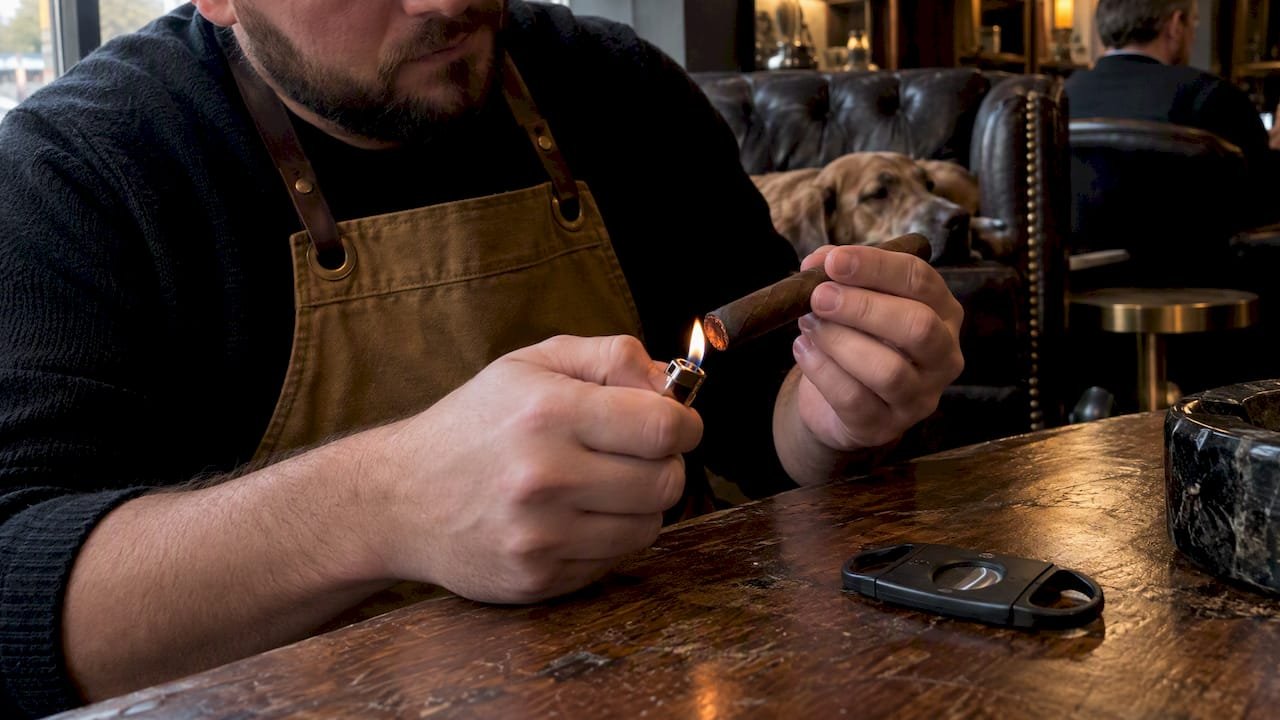
- Toast the foot of the cigar first, rotating it slightly above the flame without letting the fire touch the tobacco directly.
- Once the foot glows evenly, draw gently while applying flame, rotating the cigar for even ignition.
- Check the burn line. If one side is lagging, touch it up with a quick second light before you start smoking in earnest.
Classic etiquette guides, including material tracing back to Zino Davidoff’s essays, warn that overheating the foot or cutting too deep are the most common mistakes that ruin a cigar before the first real puff. A torch lighter burns hot and resists wind, which makes it the practical choice outdoors, while a soft butane flame is gentler and preferred by traditionalists smoking indoors. Keep your cutter sharp. A dull blade tears the wrapper instead of slicing it, and a torn cap unravels as you smoke.
Pro Tip: Rotate the cigar slowly while toasting the foot so the whole circumference catches evenly before you draw.
Smoking technique and pacing: how to taste, ash care, and when to stop
Cigar smoke is drawn into the mouth and rolled over the palate, then released, never pulled into the lungs. That single distinction is what separates cigar smoking from cigarette smoking and why the flavor, not the nicotine hit, is the point.
A reasonable cadence is to take puffs slowly and evenly, roughly paced to avoid overheating the cigar. Puff faster than that and the cigar overheats, turning sweet and complex notes into something harsh and bitter.
- Let the ash build naturally. It insulates the burning tobacco and helps keep the temperature even.
- Tap it gently into an ashtray once it reaches a moderate length to avoid dropping large chunks of ash.
- Never flick ash with force. A gentle nudge against the ashtray rim is enough.
Traditional etiquette holds that a cigar should be smoked partway, sometimes described as halfway and sometimes as two-thirds, before you set it down for good, according to longstanding etiquette guides. A simpler, more practical rule works just as well: stop once the flavor turns harsh or tarry, or whenever the setting’s house rules call for it.
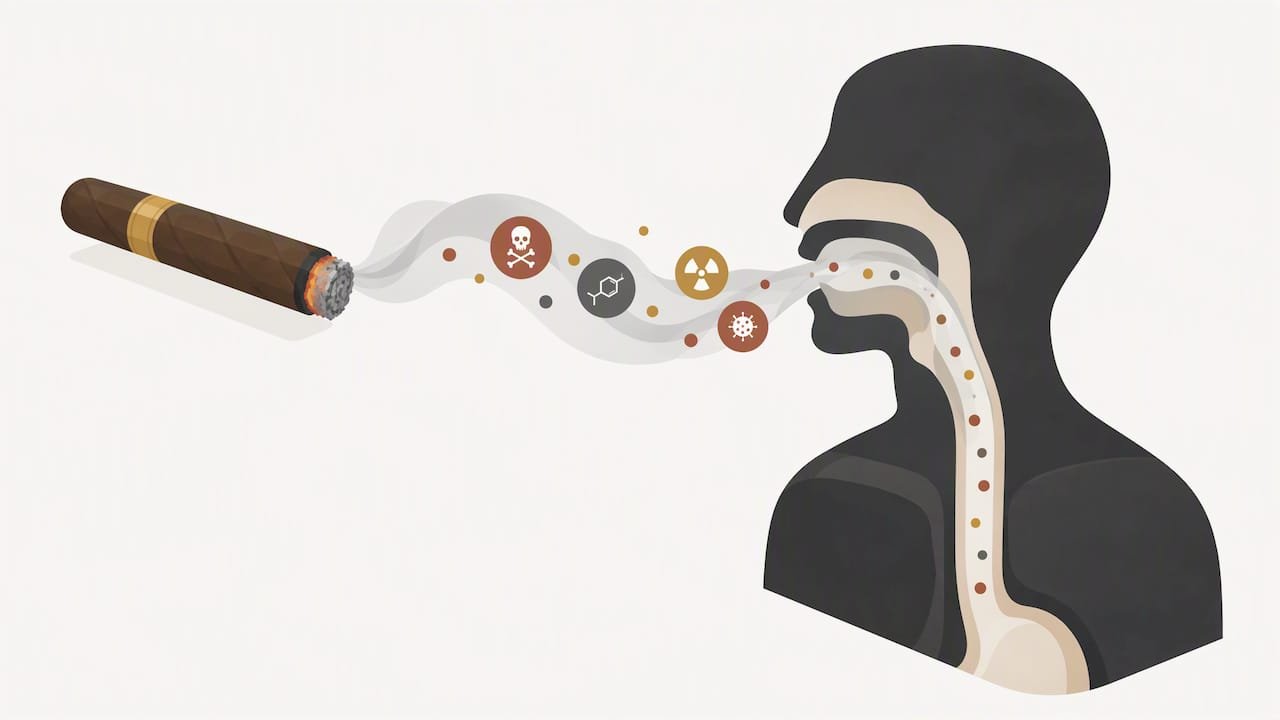
Cigar smoke carries the same toxic compounds found in cigarette smoke, and even smokers who never inhale face higher risks for oral, esophageal, and laryngeal cancer than people who have never smoked, according to the National Cancer Institute. That risk exists regardless of how carefully you pace your puffs.
Social rules and sharing: lounges, gifts, and mixed company
A lit cigar in someone else’s space is a small imposition, so the social rules exist to keep that imposition minor. If you want a light from someone nearby, ask directly rather than assuming, and always defer to a host’s or lounge’s own policy on where and when smoking happens.
- Bring extra cigars to share at a gathering, but don’t bring a prized limited-edition stick unless you’re prepared to let others try it too.
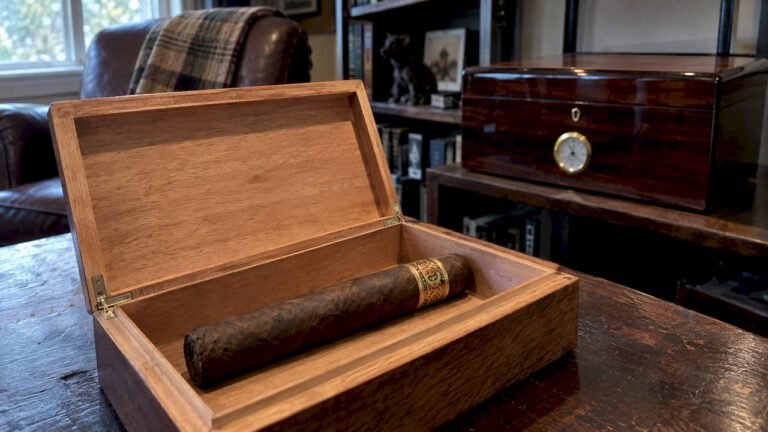
- Leave the band on a gifted cigar unless the giver clearly wants it removed, and present cigars in a humidor or tube when you can.
- Ventilate indoor spaces whenever possible, and skip smoking on public sidewalks or in areas where it’s restricted.
- Avoid letting smoke settle into clothing before a professional event or formal gathering, where lingering odor reads as careless rather than confident.
In professional settings, a cigar is a closing gesture, not an opening one. Save it for after a deal is done or a celebration is underway, not while business is still being discussed.
Health and safety note: research-backed guidance and resources
Cigar smoking carries real health risks, and those risks don’t disappear just because you’re not inhaling. The CDC confirms that cigar smoke contains the same toxic compounds found in cigarette smoke and is harmful both to the smoker and to anyone exposed to the secondhand smoke around them.
There is no safe level of exposure to tobacco smoke.
That principle applies to cigars just as much as cigarettes, and it’s worth keeping in mind if you smoke around family or coworkers who don’t.
- Smoke outdoors or in a well-ventilated space whenever you have the option.
- Avoid lighting up where indoor smoking is prohibited, both for legal reasons and basic courtesy.
- Extinguish butts completely and dispose of them safely rather than leaving smoldering remains in a shared ashtray.
- If you notice persistent hoarseness or voice changes, a voice health resource can offer guidance on next steps.
Quitting remains the only way to eliminate the documented health risks tied to tobacco use, and resources like Smokefree.gov and NCI-affiliated quitlines are available if you ever want support. A conversation with a health professional is the right move for anything beyond general guidance.
An experienced smoker’s quick reminders
A few habits stick with me after years around cigar lounges and private humidors alike. Hold the cigar loosely, let the ash build instead of babying it, never rush the light, and always ask before you assume someone’s comfortable with smoke nearby. If you remember only one thing from all of this, make it pacing. Slow down, and almost every other etiquette rule falls into place on its own.
— Kevin
Thor’s Cigar Vault: samplers and accessories for getting started right
Most of the mistakes covered above come down to inexperience with the tools and the tobacco itself, which is exactly where a good sampler pack earns its keep. Our Samplers let you try several vitolas and wrapper styles in one order, so you learn pacing and draw differences without committing to a full box of something you’ve never tried.

We also carry Accessories including cutters, torch lighters, and humidors built to keep cigars at the right humidity between smokes. Our collections include:
- Samplers for beginners who want variety without guesswork.
- Accessories like cutters and lighters that make clean cuts and even lights easier.
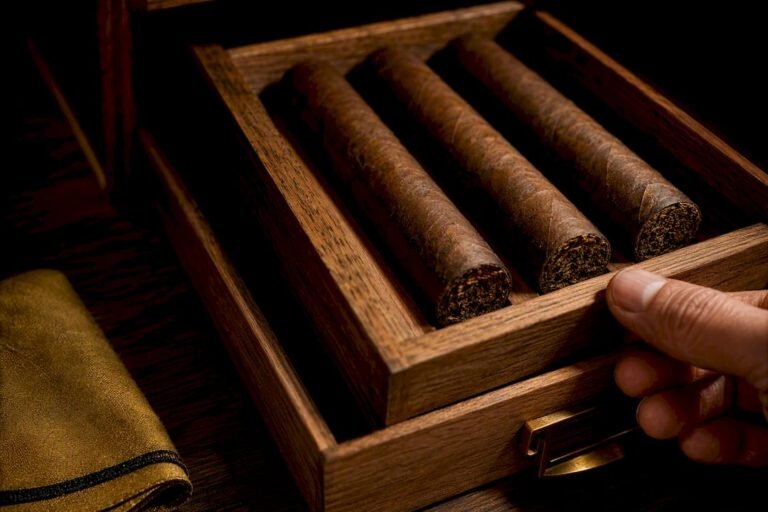
- Humidors that keep your cigars stored properly between sessions.
Browse our full catalog whenever you’re ready, no pressure, no rush.
This article is general information, not a substitute for advice from a qualified doctor. Consult a qualified healthcare professional about your own circumstances before acting on anything here.
FAQ
What is the 135 rule for cigars?
There’s no official rule recognized by cigar authorities or health agencies; it’s not a standard term in cigar etiquette guides. If you’ve seen it referenced, it likely refers informally to pacing or timing habits rather than any established rule.
What’s the point of cigars if you don’t inhale?
Cigar smoke is drawn into the mouth and tasted on the palate rather than pulled into the lungs, so the point is flavor, not a nicotine hit the way cigarette smoking delivers one. Even without inhaling, cigar smoke still carries serious cancer risks for the mouth, throat, and esophagus.
Why do you only smoke a cigar halfway?
Traditional etiquette suggests stopping partway, often cited as halfway to two-thirds, because the final third tends to burn hotter and taste harsher as the tobacco concentrates near the band, a norm reflected in long-standing etiquette guides. A simpler approach is to stop whenever the flavor turns unpleasant rather than watching a fixed point on the cigar.
Is 1 or 2 cigars a week ok?
There’s no medically established “safe” frequency for cigar smoking, since the CDC and NCI both note that any level of tobacco smoke exposure carries risk. Anyone concerned about their own frequency or health history should talk with a healthcare professional rather than rely on a general number.
Sources
- Cigars | Smoking and Tobacco Use | CDC
- Cigar Smoking and Cancer – NCI
- M9-Preface — Cancer Control (NCI resource)
- Cigar etiquette – Wikipedia