Beginners: 7 Cigar Wrapper Shades That Predict Flavor
A cigar wrapper is the outer leaf, and you read it on two axes: shade, running from candela to oscuro, and origin or varietal, like Connecticut, Habano, or Corojo. Together those two things point you toward likely flavor, not strength, which comes mostly from the filler tobacco inside. Thor’s Cigar Vault built this guide so you can shop by taste instead of guessing from a picture on a box.
TL;DR:
- Wrapper shade indicates flavor profile but does not directly correlate with strength, which depends mainly on the filler tobacco inside.
- Maduro wrappers result from extended fermentation, making the leaf sweeter and richer without increasing nicotine content.
- Most mold on cigars appears quickly in high humidity conditions and can be distinguished from plume by texture, color, location, and smell.
- Wrapper quality and rarity, such as Cameroon or aged Broadleaf, significantly influence a cigar’s price, not its strength or flavor alone.
- Match cigar wrapper to your tolerance and occasion, as flavor and strength are shaped by filler blend and fermentation, not just color or type.
Table of Contents
- Cigar Wrapper Types: Reading the Color and Shade Scale
- Major Wrapper Varietals and What Each One Is Best For
- Does a Darker Wrapper Actually Mean a Stronger Cigar?
- Plume vs. Mold: A Quick Checklist Before You Panic
- Choosing a Wrapper for Your Palate and the Moment
- Decoding Cigar Bands: Origin Names vs. Color Names
- How Wrapper Leaves Are Grown and Harvested
- Fermentation and Leaf Treatment Steps That Shape Wrapper Character
- Why Wrapper Quality Drives Cigar Price
- How Soil, Altitude, and Climate Shape a Wrapper’s Character
- Author Perspective: Learning to Read a Cigar by Its Leaf
- Build Your Own Wrapper Tasting Lineup
- Sources
- FAQ
Cigar Wrapper Types: Reading the Color and Shade Scale
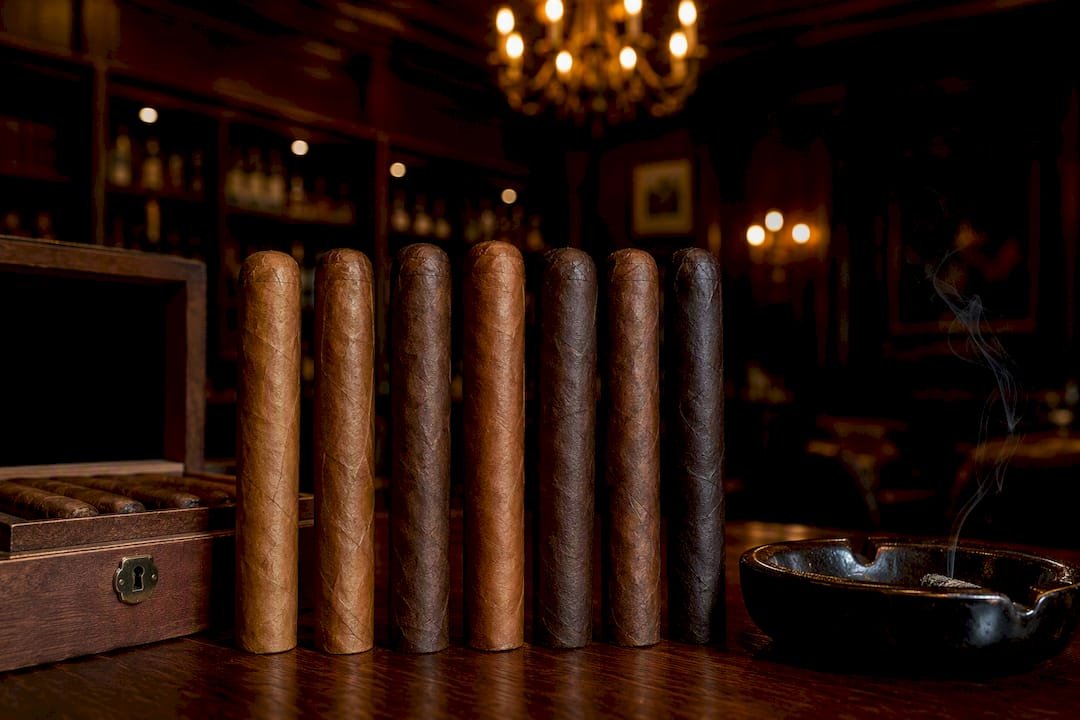
Color is the fastest clue a wrapper gives you, but it’s a spectrum, not a rulebook. Manufacturers apply shade names loosely, and the same seed grown two different ways can land in two different color categories entirely. Still, the seven-shade breakdown that most guides use is a solid starting point for predicting what you’re about to taste.
Candela sits at the pale, greenish end and tends toward grassy, tangy, almost vegetal notes. Claro is light tan, mild, and often faintly sweet. Colorado claro moves into light brown with a touch more spice and nuttiness. Natural, sometimes called “English market selection,” is medium brown with balanced, woody flavor. Colorado is reddish brown and starts showing real complexity, cedar and light pepper. Maduro is dark brown, sweeter, and often described as chocolatey or coffee-like. Oscuro is nearly black, oily, and the boldest of the bunch, thick with earth and dark cocoa.
Maduro deserves a callout because it confuses more beginners than any other term on this list. Maduro isn’t an origin. It’s a process, extended fermentation at higher temperatures that darkens the leaf and concentrates natural sugars. Any wrapper leaf, Connecticut, Habano, whatever the seed, can theoretically become a Maduro if it’s fermented that way.
| Shade | Color Description | Typical Flavor Tendency |
|---|---|---|
| Candela | Pale green | Grassy, tangy, vegetal |
| Claro | Light tan | Mild, faintly sweet |
| Colorado Claro | Light brown | Light spice, nutty |
| Natural | Medium brown | Balanced, woody |
| Colorado | Reddish brown | Cedar, light pepper |
| Maduro | Dark brown | Sweet, chocolate, coffee |
| Oscuro | Nearly black | Bold, oily, dark cocoa |
Treat this table as a compass, not a contract. Taste the cigar before you trust the color.
Major Wrapper Varietals and What Each One Is Best For
Once you’ve got the color axis down, the second axis, origin and seed variety, is where the real personality shows up. These are the names you’ll see most often on bands and in shop listings, and each one carries its own texture, oil content, and flavor signature.
Connecticut Shade. Grown under cheesecloth tents in the Connecticut River Valley (and now widely in Ecuador too), this wrapper is pale, thin, and famously smooth. Expect cream, hay, and a whisper of nuttiness rather than any real spice. It’s the wrapper most likely to convert a nervous first-timer, which is why it’s a fixture in beginner-friendly blends like the Aganorsa Leaf La Validación Connecticut Toro. Best for: beginner.
Connecticut Broadleaf. A completely different animal from its Shade cousin despite sharing a name. It’s sun-grown, thick, veiny, and dark, and it’s the wrapper you’ll find on most American-style maduros. Flavor runs toward dark chocolate, molasses, and a mild sweetness that never turns sharp. Best for: beginner to intermediate.
Habano. This is Cuban-seed tobacco grown outside Cuba, most commonly in Nicaragua, Honduras, and Ecuador. The color runs reddish-brown, and the flavor gets serious: pepper, leather, cedar, sometimes a dried-fruit sweetness underneath. It’s medium to full-bodied and rewards a smoker who already knows what they like. Best for: intermediate.
Corojo. Oily, dark, and unapologetically bold. Corojo wrappers deliver black pepper and spice from the first third to the last, with a heavier mouthfeel than Habano. This is the wrapper that separates people who “like a strong cigar” from people who actually do, and it shows up in fuller blends like the Aganorsa Leaf La Validación Corojo Toro. Best for: advanced.
Sumatra. Grown originally in Indonesia and now widely in Ecuador under similar shade-grown conditions as Connecticut. It’s silky to the touch with a flavor profile that splits the difference between sweet and earthy. Versatile enough to work in mild and medium blends alike. Best for: beginner to intermediate.
Cameroon. One of the trickier wrappers to grow well, which is part of why it’s prized and somewhat rare on shelves. The leaf has a distinctive tooth (a rough, bumpy texture) and a reddish tint, with flavor notes that lean nutty and slightly floral. Best for: intermediate.
San Andrés (Mexican). Grown in the San Andrés Valley, this dark leaf is the backbone of countless modern maduro blends. Expect cocoa, dark coffee, and a mineral, earthy finish that lingers. It’s become a favorite among blenders chasing depth without excess pepper. Best for: intermediate to advanced.
Broadleaf (general, non-Connecticut). Thick, oily, and sun-grown, broadleaf wrappers across origins tend to bring sweetness and heavier body, often paired with fuller filler blends. You’ll see broadleaf on maduro releases like the Arturo Fuente Hemingway Short Story Maduro. Best for: intermediate to advanced.
Candela. The outlier. Cured quickly at high heat to lock in green color and chlorophyll, giving it a grassy, slightly tangy profile that some smokers love and others find odd against a cigar’s usual sweetness. It’s a niche, polarizing choice. Best for: advanced smokers looking for something different, or curious beginners who want a genuine outlier experience.
Does a Darker Wrapper Actually Mean a Stronger Cigar?
No, and this is the single most common misconception in the hobby. Nicotine strength comes overwhelmingly from the filler tobacco, the leaves rolled inside the cigar, not the wrapper wrapped around it. A pale Connecticut Shade cigar can pack more punch than a dark oscuro if the filler blend inside is loaded with ligero leaves from the plant’s upper stalk.
What the wrapper actually does is shape flavor and mouthfeel. Fermentation is the key mechanism here. During Maduro fermentation, extended time at higher heat breaks down the leaf’s sugars and often produces a smoother draw with more sweetness on the palate. That’s a flavor and texture change, not a nicotine boost. A Maduro can taste rich and full without hitting any harder than a natural-wrapped cigar of the same blend.
If you’re shopping by taste rather than guesswork, a few quick rules help:
- Want mild and creamy? Look for Connecticut Shade or Sumatra.
- Want sweet with body? Reach for Maduro, Broadleaf, or San Andrés.
- Want spice and punch? Go Habano or Corojo.
- Want something different entirely? Try a Candela.
Pro Tip: Don’t judge strength by wrapper color alone. Check the filler description on the band or product listing, since terms like “ligero” or “full-bodied blend” tell you far more about nicotine than the wrapper shade does.
Plume vs. Mold: A Quick Checklist Before You Panic
That white or gray fuzz on a cigar can be two very different things, and mixing them up either wastes a good stick or risks your whole humidor. Plume, also called bloom, is a harmless crystalline buildup of oils and sugars that surfaces after long, stable aging. Mold is a living organism that thrives when humidity runs too high for too long, and it’s the far more common outcome of the two by a wide margin.
Run through this checklist before deciding what you’re looking at:
- Texture. Plume sits flat and dusts off dry. Mold looks fuzzy or web-like.
- Color. Plume is white to light gray only. Any green, blue, or black tint means mold.
- Location. Plume never appears on the foot (the end you light). Growth there is a mold red flag.
- Wipe test. Plume brushes away easily with a soft cloth. Mold smears or clings.
- Smell. Plume has no odor. Mold smells musty or sour.
If any single check points to mold, isolate that cigar immediately and check your humidor’s humidity. Oily, dense wrappers like Maduro and Habano are the ones most likely to show genuine plume, and only after years of steady aging, while drier wrappers like Connecticut Shade rarely bloom at all. Mold, by contrast, can appear in weeks under poor storage conditions. When in doubt, discard.
Choosing a Wrapper for Your Palate and the Moment
Match the wrapper to two things: how much strength you can handle and what you’re doing while you smoke. Once you know those, the decision gets easy.
- Rate your tolerance first. New to cigars or want an easy afternoon smoke? Connecticut Shade or Sumatra. Comfortable with more? Habano or a San Andrés maduro.
- Match the occasion. Morning coffee pairs beautifully with Cameroon or Sumatra’s nutty, earthy notes. Bourbon nights call for Broadleaf or Maduro, and their natural sweetness plays well against dark chocolate too. Celebrations deserve a Corojo or full Habano.
- Keep a one-page flavor map. Jot down shade, origin, and two or three tasting notes each time you smoke something new. Within a dozen cigars, you’ll know exactly what to reach for.
Pro Tip: Smoke a Connecticut and a Maduro back to back sometime, same filler blend if you can find it. The contrast teaches you more about wrapper influence in twenty minutes than any chart will.
Decoding Cigar Bands: Origin Names vs. Color Names
Bands lie by omission more than by outright falsehood, and the gap trips up plenty of buyers. The biggest trap is the word “Connecticut” itself, since Connecticut Shade and Connecticut Broadleaf are nearly opposite cigars wearing the same geographic label. One is pale and mild; the other is dark, thick, and built for maduros.
A quick glossary helps:
- Shade-grown means grown under cloth cover, producing thinner, milder leaves.
- Sun-grown means grown in open fields, producing thicker, bolder leaves.
- Habano refers to Cuban-seed tobacco, not necessarily Cuban soil.
- Maduro describes a fermentation process and color, applicable to almost any seed.
- Natural or English Market Selection usually just means “not Maduro.”
If a listing says “Connecticut” without specifying Shade or Broadleaf, check the product description before assuming mildness. Reputable sellers spell it out.
How Wrapper Leaves Are Grown and Harvested
Wrapper tobacco gets more hands-on attention than any other leaf in a cigar, because a single tear or blemish ruins its resale value entirely. Shade-grown varietals like Connecticut are cultivated under cheesecloth tenting stretched across the fields, filtering sunlight to keep leaves thin, elastic, and evenly colored. Sun-grown wrappers, including most Broadleaf and Habano seed, are left exposed to full sunlight, which thickens the leaf and builds the oil content that gives those wrappers their heavier body.
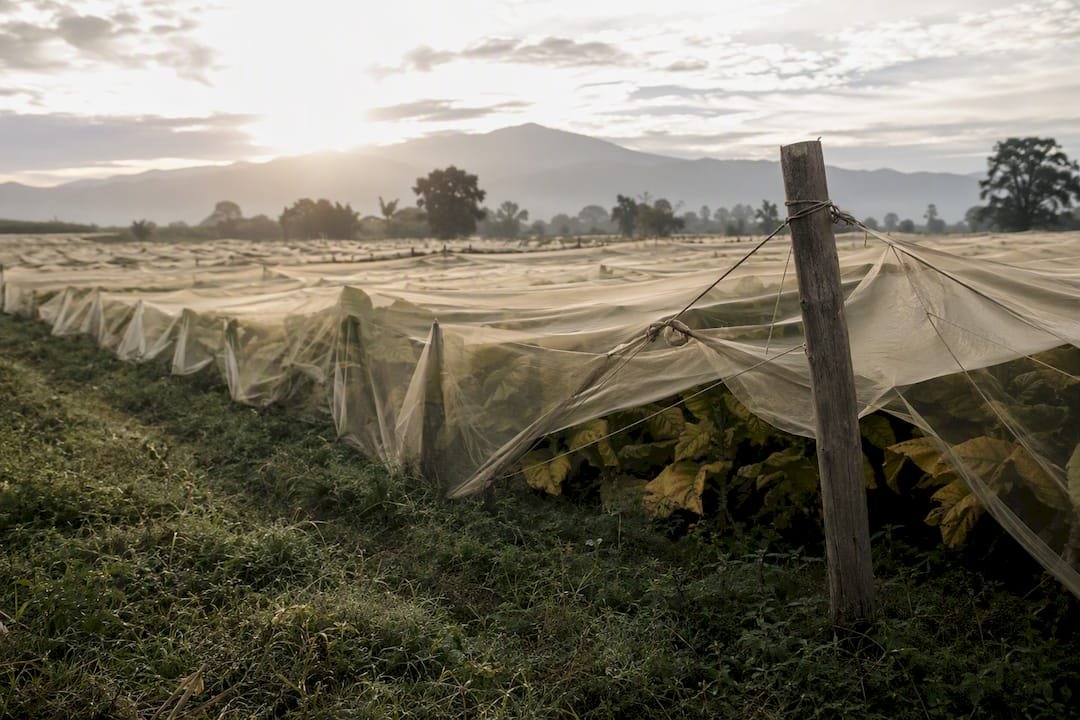
Harvesting happens in stages, called primings, working up the stalk over several weeks rather than cutting the whole plant at once. Lower priming leaves are thinner and milder; leaves higher up the stalk grow thicker and stronger as the plant matures. Wrapper leaves are typically harvested from the upper-middle primings, chosen for their balance of size, elasticity, and surface quality, since a wrapper leaf has to wrap cleanly around a filler bunch without cracking.
Each leaf gets hand-picked and hung on wooden laths in curing barns within hours of harvest, where it hangs for weeks while its green chlorophyll breaks down and the leaf transitions from green to brown. Farmers inspect leaves individually during this stage, culling anything with holes, discoloration, or uneven texture before it ever reaches the fermentation process.
Fermentation and Leaf Treatment Steps That Shape Wrapper Character
Curing is only step one. After the leaf dries in the barn, it moves into fermentation, where bundles of leaves are stacked into large piles called pilones and left to heat naturally as bacteria and enzymes break down ammonia compounds and sugars. This step does more to shape final flavor than almost anything else in the wrapper’s journey.
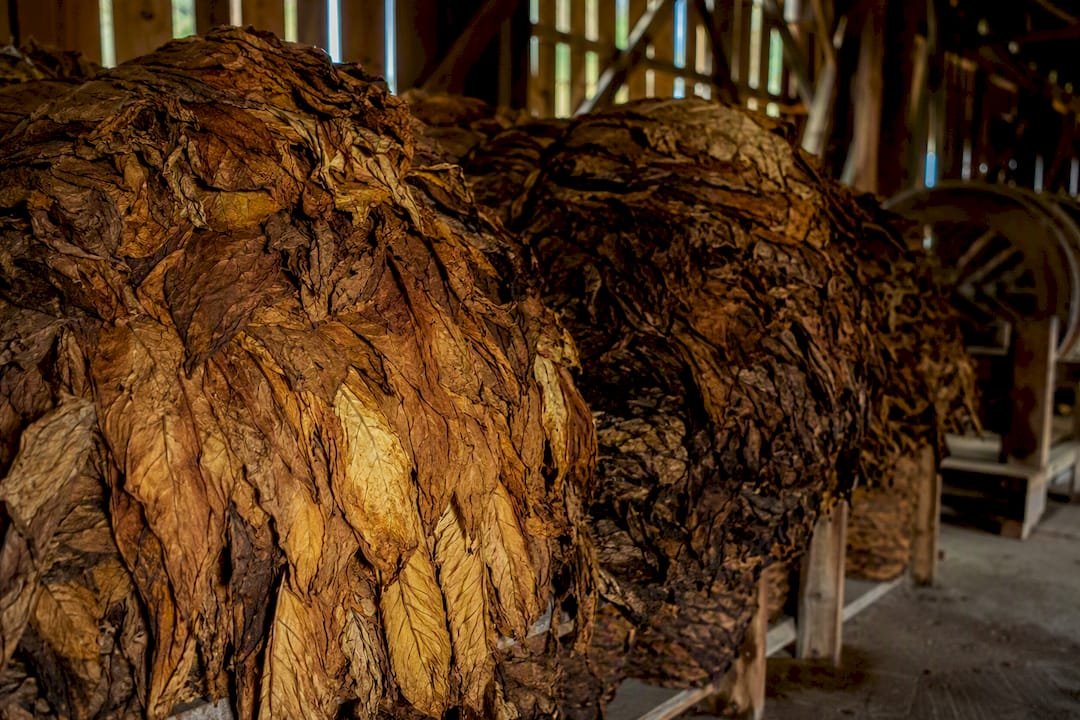
Standard fermentation runs at moderate temperatures for a set period, mellowing harshness and developing the tobacco’s base aromatics. Maduro production pushes this further: extended fermentation at higher heat darkens the leaf several shades and concentrates natural sugars, which is exactly why Maduro wrappers taste sweeter and richer than the same leaf fermented conventionally.
After fermentation, wrapper leaves get sorted again by color, size, and texture, a process that can involve a dozen or more grading categories at large operations. Leaves are then aged further, sometimes for years, in climate-controlled warehouses before they’re deemed ready for rolling. Some premium wrappers go through a second, shorter fermentation cycle to refine flavor even more, a step reserved almost exclusively for high-end or limited releases.
Why Wrapper Quality Drives Cigar Price
Wrapper leaf is the most expensive component in a premium cigar by a significant margin, and it’s not close. A flawless wrapper leaf, free of holes, veins, or discoloration, might cover only a fraction of the plants harvested in a given field, since a torn or blemished leaf simply cannot be used for the outer layer regardless of how good it tastes.
That scarcity shows up directly in shelf price. Rare wrappers like Cameroon or aged Connecticut Broadleaf command a premium because both the growing conditions and the culling process are unforgiving. Cameroon in particular is notoriously difficult to cultivate at scale, which is part of why it shows up more often on boutique and limited releases than on everyday budget cigars.
Age adds another layer of cost. A wrapper leaf aged five years develops mellower, more complex flavor than one aged one year, and that extra time sitting in a warehouse costs the grower money in storage and inventory risk. Premium blends built around aged wrappers, like the AG Alejandro Robaina Cubana #2, reflect that investment in the final price tag. When you’re paying more for a cigar, a meaningful part of that markup is usually sitting in the outer leaf, not the filler.
How Soil, Altitude, and Climate Shape a Wrapper’s Character
Terroir matters just as much in tobacco as it does in wine, and it’s why the same seed variety tastes noticeably different depending on where it’s grown. Connecticut Shade grown in the Connecticut River Valley tastes different from Connecticut seed grown in Ecuador, even under similar shade-cloth conditions, largely because of differences in soil composition and rainfall patterns.
Volcanic soil, common in growing regions across Nicaragua and parts of Mexico’s San Andrés Valley, tends to produce wrappers with more mineral depth and earthiness. Sandy, well-draining soil, more typical of Cuban-seed growing regions, tends to favor lighter, more aromatic profiles.
Altitude changes the equation too. Higher-elevation growing regions generally see cooler temperatures and slower leaf maturation, which can concentrate flavor compounds and thicken the leaf’s oil content. Humidity and rainfall during the growing season affect leaf size and elasticity directly, and a wet season versus a dry season can shift an entire year’s wrapper crop in ways growers plan around but can’t fully control. That’s part of why experienced smokers pay attention to vintage years for certain wrapper varietals, the same way a wine drinker watches for a good harvest.
Author Perspective: Learning to Read a Cigar by Its Leaf
Once you start tracking shade and origin together instead of treating them as one confusing label, wrapper shopping stops being a guessing game. A simple habit, jotting down two notes after every new cigar, builds a personal flavor map faster than any chart can. Thor’s Cigar Vault stocks curated examples across nearly every profile covered here, which makes that kind of hands-on learning a lot easier to start.
— Kevin
Build Your Own Wrapper Tasting Lineup
Thor’s Cigar Vault gives you a shortcut past the guesswork: curated cigars organized by exactly the wrapper profiles covered above, sourced from renowned and boutique makers instead of whatever happens to be sitting on a big-box shelf.
If you’re chasing a bold, oily profile, the Arturo Fuente FFOX Opus X Perfeccion No. 4 delivers the kind of layered complexity that rewards an experienced palate. Want something built around a distinctive, hand-rolled wrapper presentation? The Artesano Del Tobacco El Pulpo Belicoso Grande is a striking, conversation-starting pick. Pair a Maduro or Broadleaf selection with a square of 85% dark chocolate and you’ll taste exactly why fermentation matters so much.
New customers get 10% off their first order when they subscribe for updates. Head over to the full shop and start building your own wrapper lineup today.
Sources
- Cigar Wrapper Types: Color Chart & Flavor Guide · Cigarista
- Cigar wrapper types explained
- Plume vs Mold. Enough Already. – Cigar Press
FAQ
What Are the Different Types of Cigar Wrappers?
The major types include Connecticut Shade, Connecticut Broadleaf, Habano, Corojo, Sumatra, Cameroon, San Andrés, Broadleaf, and Candela, each defined by seed origin and growing method rather than color alone.
What’s the Difference Between Cigar Wrapper Types?
Wrappers differ on two axes: shade (candela to oscuro, describing color and fermentation) and origin or seed variety (Connecticut, Habano, Corojo, and others, describing growing region and genetics), and both together determine flavor.
What Is the Most Popular Cigar Wrapper?
Connecticut Shade and Habano are widely considered the two most popular wrapper types, with Connecticut Shade favored for its mild, creamy profile and Habano favored for its fuller, spicier character.
What Is the “135 Rule” for Cigars?
The “135 rule” gets cited casually in cigar forums, but it isn’t a verified industry standard. Plume development and proper aging depend on stable humidity and time, not a fixed numeric formula, so treat any specific rule like this with skepticism.
How Do I Tell Plume From Mold on a Cigar?
Check texture, color, location, and smell: plume is flat, white or gray only, absent from the foot, and odorless, while any fuzzy texture, colored growth, or musty smell points to mold.

One Comment