5 Checks Collectors Use to Value and Preserve Collectible Cigars
Collectible cigars are limited-production, aged, or provenance-verified releases that hold or gain value beyond typical retail smokes. Before buying one, verify its provenance and check how it has been stored. That single step separates a smart acquisition from an expensive mistake. Some retailers build curated collections around exactly that standard.
TL;DR:
- Limited-edition cigars with small production runs, vintage or aged releases, and regional exclusives are the most desirable categories for serious collectors.
- Authenticity relies on verifying sealed box codes, original packaging, storage history, and avoiding unverified private sales or untrustworthy auction listings.
- Factors influencing value include rarity, age, provenance, condition, and critical or collector buzz, with extreme markups possible on rare, well-documented humidors.
- Proper storage requires Spanish cedar linings, calibrated hygrometers, sealed containers, and careful shipping practices to preserve value.
- Buyers should cross-check release details, document condition meticulously, and shop with curated retailers to avoid counterfeits and ensure provenance integrity.
Table of Contents
- Understanding Collectible Cigars: The Categories That Matter
- Where to Buy Collectible Cigars Without Getting Burned
- What Actually Drives a Collectible Cigar’s Price
- Storage Specs That Protect a Collectible Cigar’s Value
- Spotting a Fake: Authentication Steps Every Buyer Needs
- How Condition Changes What a Collectible Cigar Is Worth
- Legal and Import Rules Collectors Can’t Ignore
- Insuring a High-Value Cigar Collection
- Finding Your People: Clubs, Forums, and Collector Events
- Curated retailers look for the same things a serious collector should look for: authenticity that checks out against official release documentation, storage that’s been climate-controlled and verifiable, and condition that matches what left the factory. Every limited release is typically graded on those terms before it earns a spot in catalogs.
- Browse Verified Limited Releases and Storage Solutions
- Sources
- FAQ
Understanding Collectible Cigars: The Categories That Matter
Not every “special edition” band deserves a spot in your humidor. Real collectibility comes down to a handful of production choices that limit supply and create a documented story.
Four categories consistently attract serious buyers:
- Limited-edition releases with small, numbered box counts. Habanos, for instance, treats releases like the Montecristo Elba 2025 Limited Edition as market-specific premieres, often capped at a fixed number of boxes per country.
- Vintage or vault-aged cigars, sometimes carrying an extra band indicating the years spent resting before release. Age changes flavor, but it also changes scarcity, since aged inventory can’t be manufactured on demand.
- Brand commemoratives and event humidors, marking anniversaries with elaborate packaging that becomes part of the value equation.
- Regional and factory-only vitolas, produced for a single market or a single tobacco shop and never distributed nationally.
The overlap between these categories is where the real prizes sit. A vintage cigar tied to a numbered anniversary release, with regional exclusivity on top, checks every box a serious collector looks for.
Where to Buy Collectible Cigars Without Getting Burned
Legitimate collectible cigars move through five channels: authorized specialty retailers, brand-run release drops, established auction houses, vetted secondary-market dealers, and private sales within collector networks. Each carries different risk levels, and knowing which to use for which purchase matters more than most new collectors realize.
Before committing to any listing, run it through this sequence:
- Ask for sealed-box photos showing box code and lot numbers clearly, not just a marketing shot of the cigars themselves.
- Confirm the original packaging and, where applicable, the original humidor are intact and match official release photos.
- Search for the release announcement or specialist press coverage covering that exact production run.
- Request the seller’s storage history, including how long they’ve held the item and under what conditions.
- For anything in the higher price range, request a video call showing the actual box before wiring funds.
Retailers make sense for anything still available near release. Auctions suit historically significant boxes and humidors that have already left the primary market, and they tend to carry documented sale history that helps future valuation, a point specialist auction listings back up with realized-price records for rare cigar sales. Private sales work best when you already know the seller’s reputation within a collector circle.
Pro Tip: Insure high-value lots before they ship, not after. A box lost or crushed in transit with no coverage is a total loss, and most standard carrier insurance caps out well below what a rare humidor is worth.
What Actually Drives a Collectible Cigar’s Price
Five factors decide whether a cigar is worth its asking price: rarity, age, provenance, physical condition, and reputation among critics and collectors. Miss any one of them and you’re guessing.
- Rarity comes down to production numbers. A run of 500 boxes behaves very differently in the market than a run of 5,000.
- Age adds complexity and can add value, but only when storage has been consistent the whole time.
- Provenance means a documented chain of custody, ideally back to the original retailer.
- Condition covers the box, the bands, and the humidor itself, not just the tobacco inside.
- Press coverage and collector buzz create demand that a small production run alone can’t guarantee.
Markups on the right release can be extreme. A Trinidad 55th Anniversary humidor carried suggested retail pricing that worked out to more than $1,000 per cigar in some markets, over ten times what a standard premium cigar costs. That kind of pricing isn’t typical, but it shows the ceiling when scarcity, craftsmanship, and brand prestige stack together. Complicating matters, these humidor sets are often sold as complete units, and breaking one up for individual sale changes how each cigar should be valued on its own.
Before paying above MSRP for anything, cross-check the original release notes, look for recent auction results on comparable lots, and document the item’s condition with dated photos. Regulatory shifts and poor tobacco harvests also drive volatility, which industry analysts tie directly to the broader premiumization trend reshaping the premium cigar market.
Storage Specs That Protect a Collectible Cigar’s Value
Get storage wrong and even a rare, well-documented cigar loses value fast.
A proper setup starts with the box itself:
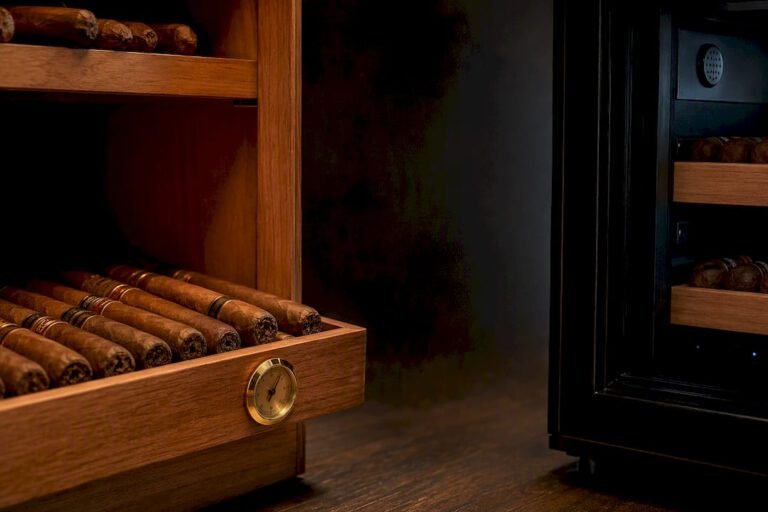
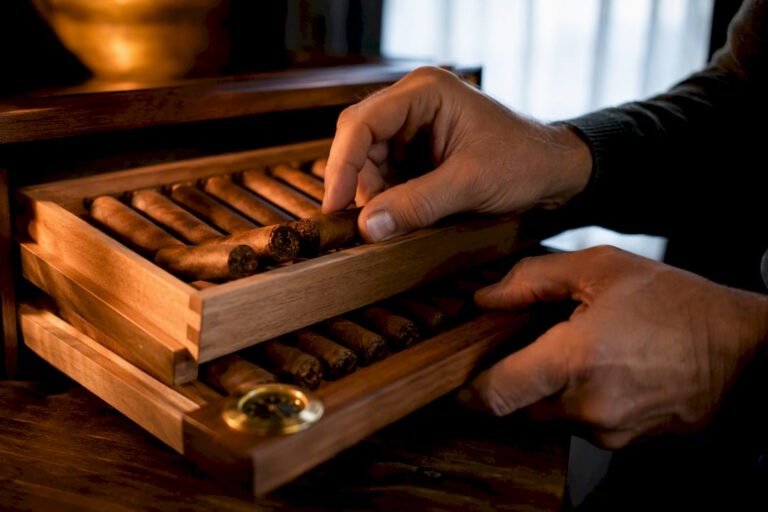
- Spanish cedar lining, which regulates humidity better than most alternatives and imparts minimal flavor interference over time.
- An accurate digital hygrometer, calibrated periodically, since cheap analog gauges drift and mislead.
- A tight seal with no gaps, checked yearly as wood expands and contracts with seasonal humidity.
- Enough capacity that boxes aren’t crammed, which restricts airflow and invites uneven aging.
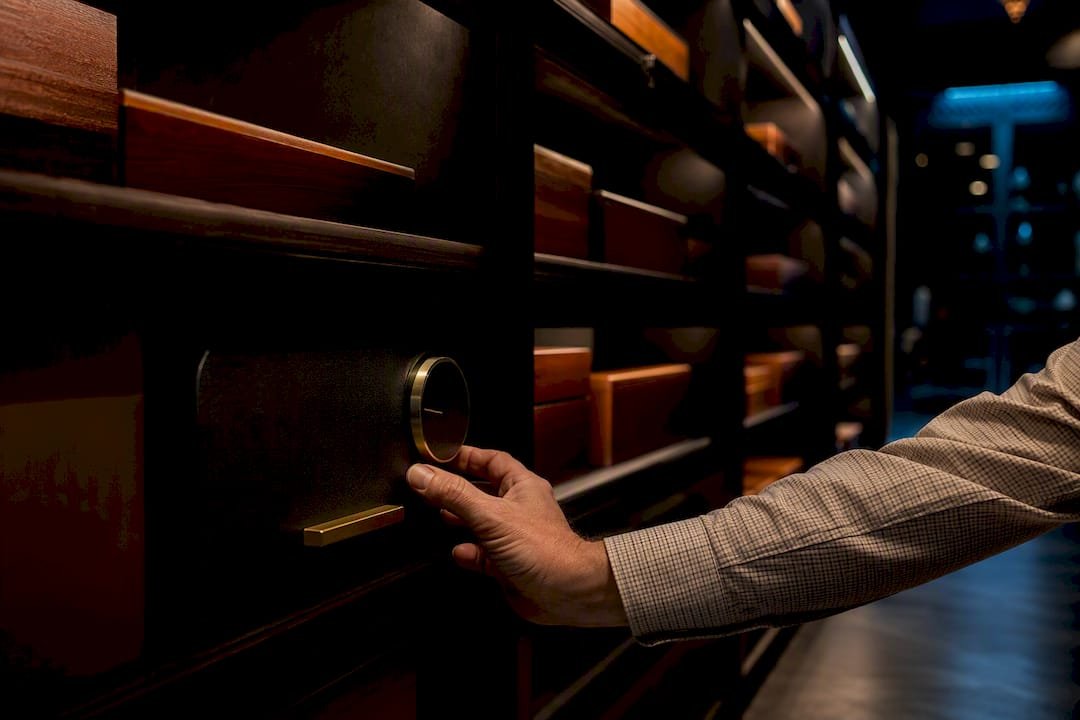
For collections beyond what a home humidor can reasonably manage, professional vaulting services offer climate-controlled, monitored storage built for long-term holds rather than daily rotation.
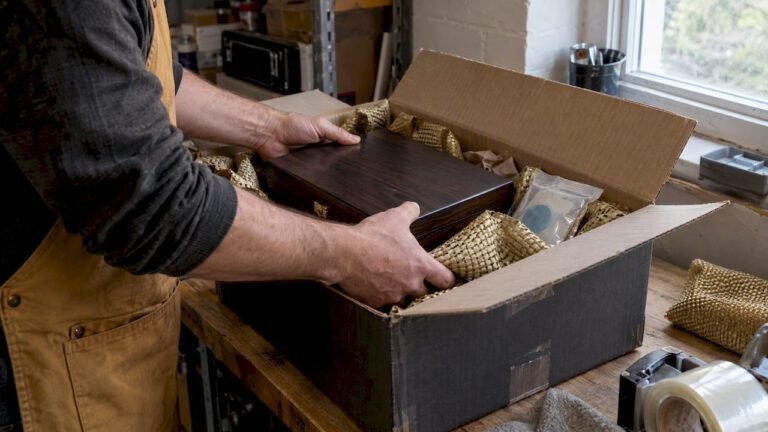
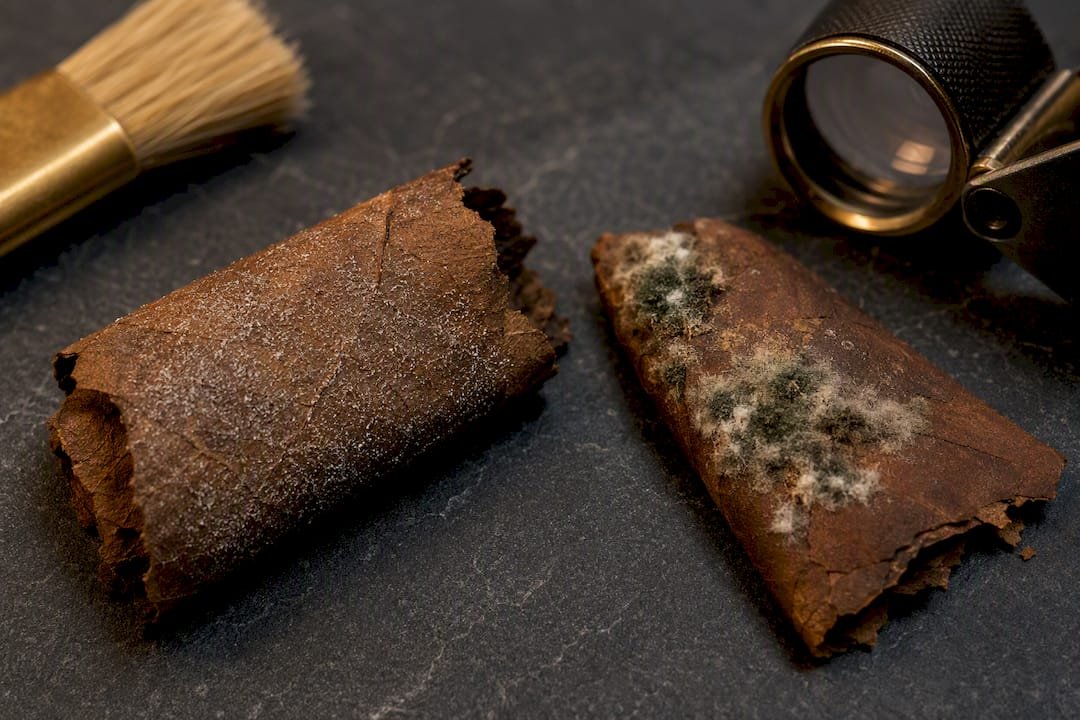
Aging timelines vary by blend, but most collectible cigars benefit from a minimum of two to three years of rest, with some vintage releases improving for a decade or more. Learn to tell the difference between plume, a harmless crystalline bloom that wipes away easily, and mold, which looks fuzzy, spreads, and smells musty. When shipping a valuable box, use rigid outer packaging, humidity-stable packing material, and insured tracked shipping every time.
Pro Tip: Never let a shipped box sit on a porch or in a mailroom overnight during extreme weather. Temperature swings during transit do more damage in 24 hours than a full year of stable home storage.
Spotting a Fake: Authentication Steps Every Buyer Needs
Counterfeiters target collectible cigars specifically because the premiums make fraud profitable. A convincing fake band on a $15 cigar isn’t worth the effort. A convincing fake band on a $500 rare release is.
Run these checks before any high-value purchase:
- Inspect band printing quality under magnification. Foil stamps on counterfeit bands often look slightly duller or misaligned compared to official releases.
- Compare box codes against the brand’s official release documentation for that specific run.
- Check for appropriate tax stamps or import paperwork, depending on the release and its origin.
- Walk away from any seller who won’t provide sealed-box photos or explain where the item has been stored.
Treat an unusually low price on a known rare release as a warning sign, not a lucky break. Missing release documentation is another. When the stakes are high enough, a third-party authentication service or professional appraiser is worth the fee, and keeping a written record of every previous owner protects you when it’s time to resell.
How Condition Changes What a Collectible Cigar Is Worth
Two identical releases from the same production run can sell for wildly different prices based on condition alone. Buyers pay for confidence that what they’re getting matches what left the factory.
Start with the box. Faded printing, water rings, or a warped lid all signal storage problems, even if the cigars inside still look fine. Bands matter almost as much as the tobacco. A torn, faded, or peeling band on a rare cigar can cut its resale value substantially, since collectors often display boxes with bands intact rather than smoking every stick.
The tobacco itself needs a careful look too. A wrapper that’s gone patchy, cracked, or unnaturally dry suggests inconsistent humidity over the cigar’s life. Overfilled or underfilled cigars, detectable by gently squeezing along the length, point to construction issues that predate any storage problem and affect value regardless of rarity.
Original cellophane, when present, should stay on unless you’re actively smoking the cigar. Removing it exposes the wrapper to handling damage and reduces the “as-issued” condition serious collectors pay a premium for. For humidor releases, the wooden case itself gets graded almost like a piece of furniture: hinges, finish, and any hardware all factor into resale.
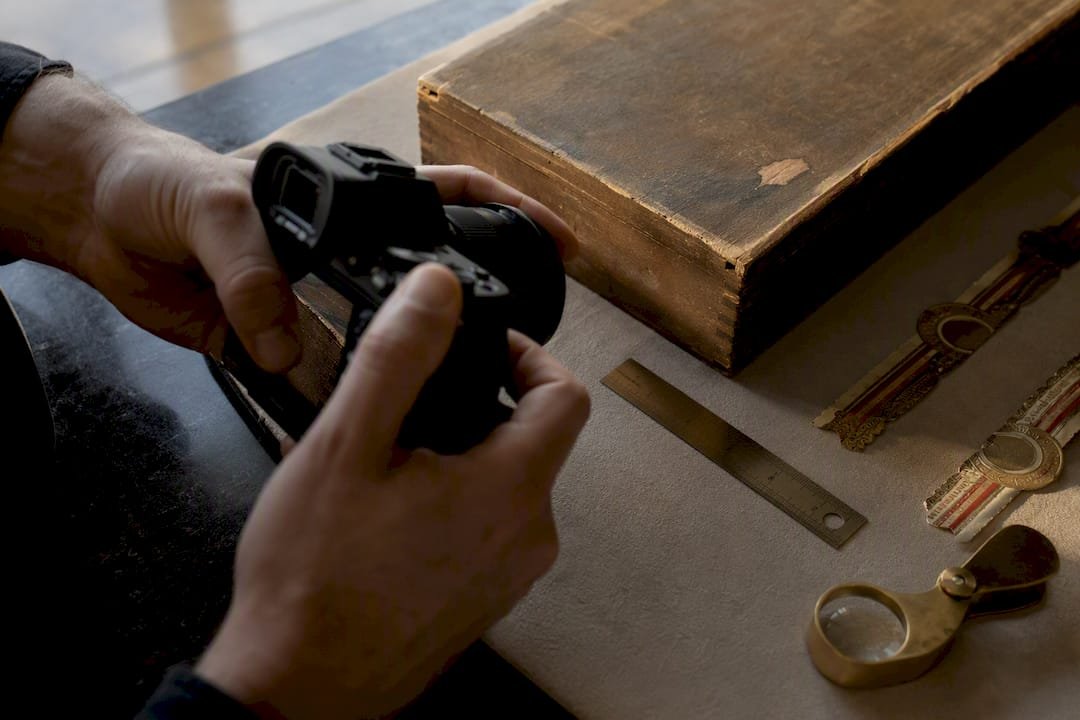
When documenting condition for insurance, resale, or authentication purposes, photograph the box from multiple angles, the bands up close, and any visible flaws with a ruler or coin for scale. That documentation becomes part of the provenance record buyers will ask for down the line.
Legal and Import Rules Collectors Can’t Ignore
Buying collectible cigars across borders introduces legal complications that have nothing to do with authenticity. United States law restricts importing cigars made with tobacco grown or manufactured in embargoed countries, and enforcement applies to individual travelers and mail-order purchases alike, not just commercial shipments.
Duty-free purchases made abroad still fall under personal import limits when returning to the United States, and exceeding those limits can mean confiscation at customs, regardless of how much the box cost. Interstate shipping within the United States generally faces fewer restrictions, but some states impose their own tobacco excise taxes on cigars shipped to residents, which can add meaningfully to the final cost of a rare purchase.
Buyers acquiring collectible cigars at international auctions should confirm shipping legality to their home country before bidding, not after winning the lot. A rare humidor purchased overseas and stuck in customs limbo, or seized outright, is a loss no insurance policy will cover. Always keep original purchase documentation and, where applicable, any import paperwork, since these records also double as provenance evidence if you resell the piece later.

Insuring a High-Value Cigar Collection
A collection worth several thousand dollars or more typically exceeds what standard homeowner’s or renter’s insurance covers for a single category of personal property. Most policies cap unscheduled personal property claims well below what a serious collector’s humidor holds, which means a fire or theft could wipe out a collection with only partial reimbursement.
Scheduled personal property riders, sometimes called valuable items endorsements, let you list individual boxes or collections at appraised value, closing that gap. Specialty collectibles insurers, the same firms that cover wine collections and rare coins, increasingly write policies for premium cigars, and they typically require documented purchase records, condition photos, and sometimes a professional appraisal above a certain value threshold.
Climate control matters to insurers too. A policy may require proof of humidity-controlled storage, since a claim tied to mold or dried-out cigars from poor storage conditions could be denied as preventable damage rather than a covered loss. Keeping detailed provenance and storage documentation, the same records that protect you during authentication and resale, also strengthens any future insurance claim.
Finding Your People: Clubs, Forums, and Collector Events
Collecting alone works, but collecting within a community catches counterfeits faster, surfaces better deals, and turns a hobby into something genuinely social. Local cigar lounges and retailer-hosted clubs remain the most reliable starting point, since in-person relationships build the kind of trust that private sales depend on.
Online forums dedicated to premium cigars host active threads on release announcements, authentication questions, and box-code verification that can save a buyer from a costly mistake before money changes hands. Brand-specific communities, particularly around long-running limited-edition programs, tend to have the deepest institutional knowledge about specific release histories and known counterfeit patterns.
Industry trade shows and brand release events offer something forums can’t: the chance to handle a release in person before deciding whether it’s worth pursuing on the secondary market later. These events also tend to be where the most reliable provenance chains start, since a cigar purchased directly at a release event carries built-in documentation from day one.
Curated retailers look for the same things a serious collector should look for: authenticity that checks out against official release documentation, storage that’s been climate-controlled and verifiable, and condition that matches what left the factory. Every limited release is typically graded on those terms before it earns a spot in catalogs.
What sets curated retailers apart from anonymous marketplace listings is accountability. They can answer provenance questions directly, document storage conditions, and stand behind condition claims because they control the chain of custody from arrival to sale.
— Kevin
Browse Verified Limited Releases and Storage Solutions
You’ve got other ways to chase rare cigars: cold-calling auction houses, hoping a forum contact comes through, or gambling on an unverified private sale. Thor’s Cigar Vault takes the guesswork out of that process by handling the authentication and storage verification before a release ever reaches our cigars catalog.

Our limited releases section covers numbered boxes and brand commemoratives vetted the same way described throughout this guide, alongside curated samplers for collectors building out a broader profile. If long-term aging is the goal, our humidor selection includes Spanish cedar options built for the humidity consistency serious collections require. Brands like Davidoff regularly issue the kind of limited runs collectors watch for, and we track those releases closely.
New customers get 10% off their first order through our exclusive discounts page. Have a provenance question about a specific box before you buy? Reach out to our team directly. We’d rather answer it now than have you find out the hard way later.
Sources
- The Thousand Dollar Trinidad — Cigar Inspector
- Cigar Stocks: The Boom, Bust & What Investors Must Know — Gentleman’s Pursuits
- The Thousand Dollar Trinidad — Cigar Aficionado
FAQ
What is the rarest cigar in the world?
Rarity shifts constantly as production runs sell out, but historically it’s been vintage pre-embargo Cuban boxes and ultra-limited numbered releases with production counts in the low hundreds. Specialist auction listings track which specific boxes currently hold that title, since the answer changes with each major sale.
What are the top-rated cigars collectors chase most?
Top-rated collectible cigars tend to combine strong critic scores with genuine production scarcity, rather than just brand recognition alone. Numbered limited editions from established houses, along with vault-aged releases carrying extra age bands, consistently rank highest among serious collectors.
What are the most expensive cigars ever sold?
Complete humidor sets from major anniversary releases top the list, with the Trinidad 55th Anniversary humidor equating to over $1,000 per cigar in some markets due to its extremely limited production and elaborate packaging. Individual rare boxes from historic vintage runs can also command five-figure prices at auction, depending on documented provenance and condition.
How do I know if a collectible cigar is a good investment?
Look at production count, documented provenance, and condition together, not any single factor alone. A rare release with no paperwork and inconsistent storage history carries far more risk than a moderately limited box with a clean, documented chain of custody.
Where should I buy my first collectible cigar?
Start with an authorized specialty retailer offering verified storage and documented releases, since that removes most authentication risk for a first purchase. Curated sources handle that verification directly, which matters most when you don’t yet have the experience to spot red flags on your own.