
Inspect Cigars on Delivery: A Fast Damage-Check Guide
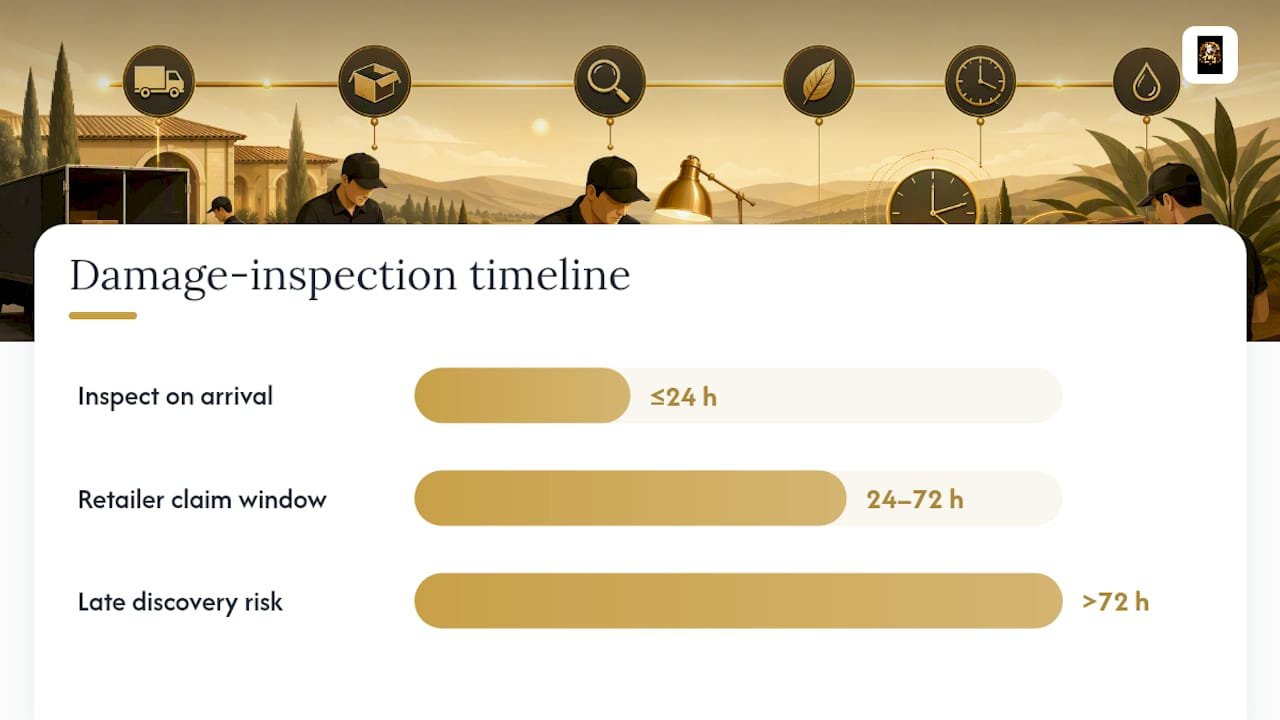
Open and inspect your cigars within a few days of delivery. Check the box for crush damage, look each cigar over for cracks or soft spots, and smell for anything musty. If something’s wrong, photograph it immediately, save every scrap of packaging, and contact the retailer before that window closes.
- Open the shipment the same day it arrives, or the next morning at the latest.
- Photograph the box, the packing materials, and any damaged cigars before you touch or move anything else.
- Move questionable cigars into a sealed container with a fresh humidification pack while you sort out the rest.
Pro Tip: Keep your phone camera ready before you cut the tape. A damaged corner or crushed box wall tells its own story, and you want that photo before you start unpacking.
Retailers generally expect damage reports within that same 24 to 72 hour stretch, and inspecting promptly preserves your eligibility for a claim far better than discovering a soft spot three weeks later when you finally open the humidor.
Key Takeaways
Fast inspection, thorough documentation, and proper stabilization together determine whether a damaged shipment ends in a refund or a wasted box of cigars.
| Point | Details |
|---|---|
| Inspect within the window | Check box and cigars within 24 to 72 hours of delivery to preserve your claim eligibility. |
| Use the tactile roll test | Roll each cigar gently to catch soft spots and lumps that eyes alone miss. |
| Photograph before you act | Capture the box, packing, and damaged cigars before discarding anything. |
| Quarantine, don’t dump | Isolate dry or moldy cigars in a sealed container rather than mixing them with good stock. |
| Rest before you smoke | Give travel stressed cigars 2 to 4 weeks in a 65 to 70% RH humidor before lighting up. |
Table of Contents
- How to Inspect Cigars on Delivery, Step by Step
- Photographing and Reporting Damage to the Retailer
- What to Do With Cigars Right After Delivery
- Carrier Rules and Signature Requirements You Should Know
- Checking Seals, Stamps, and Box Authenticity
- How Thor’s Cigar Vault Handles Orders and Claims
- Why the Standard Advice on Cigar Delivery Falls Short
- Sources
- FAQ
How to Inspect Cigars on Delivery, Step by Step
Treat this like a pre-flight check, not a quick glance. Cigars absorb the stress of transit in ways that aren’t always obvious from the outside, so working through the same sequence every time catches problems you’d otherwise miss.
1. Start with the box, not the cigars.
Before you touch a single stick, look at the packaging that got them there.
- Check for dents, crushed corners, or a box that feels lighter or looser than it should.
- Look for wet patches, warped cardboard, or a smell of mildew coming from the outer shipping box.
- Confirm the factory seal or shrink wrap is intact and hasn’t been torn and retaped.
2. Inspect each wrapper individually.
Pull cigars out one at a time rather than dumping the whole box on the table.
- Look for cracks running along the wrapper leaf, especially near the seams.
- Check for large, raised veins or blotchy discoloration that wasn’t there in the product photos.
- Note the difference between a light dusting of grayish white powder and actual fuzzy growth, since one is harmless and the other isn’t.
3. Roll each cigar gently between your fingers.
This tactile pass catches what your eyes will miss. A quick roll test reveals soft spots, hard lumps, and uneven density that a construction fault leaves behind, and it takes about five seconds per stick.
- A cigar that feels papery or crackly dry has probably lost too much moisture in transit.
- A hard lump under the wrapper usually means a bunching problem from the factory, not shipping damage, but it’s worth noting either way.
- Check the cap for flaking and the foot for crumbling tobacco.
4. Smell the foot and the shoulder of the cigar.
A clean cigar smells like tobacco, barnyard, cedar, sometimes cocoa or leather depending on the blend. A musty, sour, or ammonia-like smell is a red flag for mold or a fermentation issue that never fully resolved.
5. If you’re comfortable doing it, run a cold draw.
Clip the cap and draw air through unlit. You’re feeling for resistance, not flavor. A draw that’s completely blocked or one that pulls like an open pipe both point to construction problems worth documenting.
Photographing and Reporting Damage to the Retailer
Good documentation is the difference between a fast refund and a drawn out argument. Photograph the outer shipping label first, then the box from every angle, then the interior packing material, then the full contents laid out, and finally close ups of each damaged cigar next to a ruler or a dated receipt for scale.
- Don’t throw away the box, the packing paper, or the shipping label until the retailer tells you it’s fine to do so.
- Write a short message that includes your order number, a one line description of the problem, and the photos attached directly rather than described in prose.
- Check Thor’s Cigar Vault’s refund and returns policy for the exact procedure and expected timeline before you send anything.
Pro Tip: Attach photos in the order you’d want a stranger to see them: box first, then packing, then the damage. Reviewers move faster through a claim that tells a clear visual story.
Most retailers, Thor’s Cigar Vault included, work off that same 24 to 72 hour reporting window. A claim filed three weeks after delivery is a much harder case to make, since there’s no way to prove the damage happened in transit rather than in your own storage.

What to Do With Cigars Right After Delivery
Don’t drop a slightly dry or travel stressed cigar straight into your main humidor. Isolate it first. A zip-lock bag or any airtight container with a small humidification pack gives you a controlled environment to watch without risking your existing collection.
- Seal borderline cigars, the ones that feel dry or slightly stiff but show no active damage, in their own container for a few days before deciding.
- Quarantine anything with visible fuzzy mold completely. Keep it away from other cigars until you’ve documented it and heard back from the retailer.
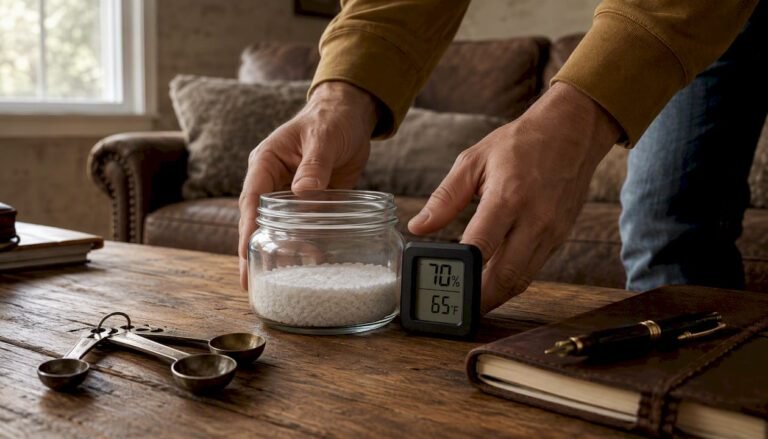
- Plan on a resting period of 2 to 4 weeks in a humidor holding a steady 65 to 70% relative humidity.
- Skip the shortcuts. Heat guns, hair dryers, or rapid rehumidifying can crack wrappers and cook out the oils that give a cigar its flavor.
That resting period isn’t just caution for caution’s sake. Cigars experience real travel stress from temperature and humidity swings in transit, and a few weeks in stable conditions lets the oils and moisture redistribute before you light one up. A cigar that tastes flat or harsh three days after arrival often smokes completely differently a month later.
Pro Tip: Label your quarantine container with the delivery date. It’s easy to forget which box has been resting two weeks and which has been resting two days.
Carrier Rules and Signature Requirements You Should Know
Cigar shipping in the United States runs on a patchwork of carrier policies, not one uniform rule. Federal law carves out an exception for cigars under some PACT Act provisions, but that doesn’t mean every carrier treats them the same way.
- FedEx commonly refuses tobacco shipments outright, so most online cigar retailers won’t route orders through them.
- UPS will carry cigars, but only under a signed tobacco agreement with the shipper, and commercial shipments typically require an adult signature from someone 21 or older.
- USPS is often the most practical carrier for personal cigar shipments given the federal exclusions that apply to it.
Have a valid photo ID ready at the door. If you know you’ll be out, check whether Thor’s Cigar Vault supports an alternate signed for pickup option rather than risking a returned package. And if the box arrives with visible exterior damage, get it noted on the carrier’s delivery paperwork on the spot. That notation matters if you end up filing a claim later, since a clean delivery signature can undercut an otherwise solid damage report.
Checking Seals, Stamps, and Box Authenticity
Not every opened box is a red flag. Tax stamps, factory seals, and box labels should all look consistent and properly printed, but an opened seal doesn’t automatically mean tampering.
- Compare the tax stamp and factory seal against what the product listing showed. Inconsistent printing or a stamp that looks reprinted is worth flagging.
- If the retailer uses NFC tags or verification seals, tap them with your phone. Retailers running traceability programs can provide chain-of-custody detail that confirms the box left their facility in good condition.
- Some boxes get opened for legitimate reasons entirely outside the retailer’s control.
Distributors and customs or assurance programs sometimes open boxes for authorized inspection and apply an official stamp or documentation afterward. An opened box carrying that kind of stamp isn’t evidence of tampering, it’s evidence the box passed through a checkpoint.
If you can’t find any stamp, seal, or explanation for an opened box, don’t guess. Photograph it and ask the retailer before you store the cigars long term.
How Thor’s Cigar Vault Handles Orders and Claims
Thor’s Cigar Vault built its catalog around curated, limited-edition, and hard-to-find cigars, which means every box that leaves the warehouse represents real inventory value worth protecting on both ends of the shipment. That’s the same reasoning behind a clear, published refund and returns policy and terms of sale that spell out exactly what happens when a box arrives damaged.
- Report damage through the contact path listed on the Thor’s Cigar Vault site, with your order number and photos ready to go.
- Follow the same 24 to 72 hour window described above. Retailers that run bonded inspection processes before shipping have less patience for claims filed weeks later, and Thor’s Cigar Vault is no exception.
- Knowledgeable staff review claims individually rather than running them through a generic script, which matters more on rare or limited-run boxes than on standard stock.
Kevin, who covers cigar retail practices for this site, notes that the retailers who publish their claims process upfront are almost always the ones who honor it consistently.
Why the Standard Advice on Cigar Delivery Falls Short
Most delivery advice treats inspection like a formality, something you do out of politeness before stacking the box in your humidor. That’s backwards. The tactile roll test matters more than most buyers realize, because a cigar can look perfect and still have a construction flaw that ruins the smoke, and no amount of careful visual inspection catches that. Feel comes first.
The bigger gap is on the legal and carrier side. Buyers assume that because cigars are legal to ship, any carrier will handle them the same way. They won’t. Knowing that FedEx typically won’t touch tobacco and that UPS requires a signed agreement isn’t trivia, it’s the reason your delivery window looks the way it does and why an adult signature shows up at your door.
My honest read: the buyers who get the best outcomes aren’t the ones with the fanciest humidors. They’re the ones who open the box the day it arrives, document immediately, and don’t panic over a little bloom mistaken for mold.
Sources
- The cigar company that tracks every box from warehouse to consumer | Cigar Library
- Can You Ship Cigars? USPS, UPS, and FedEx Rules – LegalClarity
- How to inspect a cigar before buying it. – Vdg-cigars
- Why Was My Box of Cuban Cigars Opened? | EMS Guarantee Explained
FAQ
What Is the 135 Rule for Cigars?
The “1-3-5 rule” is a rough humidor guideline some enthusiasts use for stocking variety, not a shipping or inspection standard, and definitions vary depending on who you ask.
Can I Order Cigars Online for Delivery?
Yes. Cigars ship legally within the United States, though carriers set their own rules, with USPS generally the most practical option and UPS requiring a signed tobacco agreement and adult signature.
Is Smoking One or Two Cigars a Week OK?
That’s a personal and health decision outside the scope of delivery inspection, and it depends on individual health factors best discussed with a doctor.
What Happens When You Order Cigars Online?
Your order ships through a carrier that follows tobacco specific rules, often requiring an adult signature on delivery, and you should inspect the box and contents within 24 to 72 hours to catch any transit damage.