Honduran Cigar Regions: How Soil and Shade Shape Flavor
The Honduran regions worth knowing are Jamastrán (centered on Danlí in El Paraíso), Copán, Talanga, and Olancho. Honduran leaf tends toward pepper, earth, and a drier finish than its neighbors, with Jamastrán producing the oily, reddish wrappers enthusiasts chase. The soil, seed, and curing method in each valley explain why.
TL;DR:
- El Paraíso accounts for roughly 70% of Honduras’s tobacco production, while Copán, Olancho, and Francisco Morazán each contribute roughly 6% to 7%.
- Jamastrán Corojo and Connecticut shade commonly appear as wrappers, while Copán Criollo and Olancho leaf more often serve as binders or fillers.
- Copán’s dark air curing preserves natural sugars and creates a rounder profile, whereas sun grown Jamastrán filler tends to taste drier and spicier.
- A Honduran cigar band may identify where the leaf was grown, where the cigar was rolled, or both, so ask retailers which applies.
- Growers plant in January and harvest in April or May to avoid peak blue mold pressure, so harvest year can shape leaf character.
Table of Contents
- Where Honduran tobacco grows and why it matters globally
- Jamastrán Valley (Danlí / El Paraíso): the principal premium tobacco region
- Danlí and El Paraíso: why a factory town matters to the leaf
- Copán region: western Honduras and the Criollo tradition
- Talanga Valley: wind management and texture-preserving techniques
- Olancho and other secondary regions: what they add to blends
- How regions shape wrappers, binders, and fillers
- How Honduran cigar regions developed over time
- Farming communities behind each growing region
- Flagship cigars and brands tied to each region
- How Honduran regions compare to other cigar countries
- Climate pressures facing Honduran tobacco farms
- Harvesting and curing steps that define Honduran leaf
- Reading a “Honduran” label: what collectors should expect
- Find curated Honduran-forward cigars at Thor’s Cigar Vault
- FAQ
- Sources
Where Honduran tobacco grows and why it matters globally
Honduras grows tobacco across a handful of distinct valleys, each separated by mountain ranges that create their own rainfall and wind patterns. The southern Jamastrán valley sits near the Nicaraguan border, Copán lies to the west near the Guatemalan line, Talanga occupies a central highland basin, and Olancho spreads across the east with smaller pockets in Francisco Morazán.
What makes Honduras distinct among cigar-producing countries is that it both grows leaf and rolls finished cigars at scale. Factories cluster around Danlí, turning local and imported tobacco into bands sold worldwide.
- El Paraíso, home to the Jamastrán valley, accounts for roughly 70% of national tobacco production, according to a Honduran academic study.
- Much of that leaf traces back to Cuban-seed varieties brought to Honduras decades ago and adapted to local soil.
- Smaller shares come from Olancho, Francisco Morazán, and Copán, each contributing roughly 6 to 7% of production.
Jamastrán Valley (Danlí / El Paraíso): the principal premium tobacco region
Danlí and the surrounding El Paraíso department anchor Honduras’s reputation for premium leaf. The valley’s soils range from grey to pink with occasional red hues, a mix that Cigar Journal’s regional provenance report ties directly to the oils and spice that show up in finished wrappers. Dry-season timing in Jamastrán also concentrates sugars in the leaf, which growers say sharpens the pepper notes smokers associate with the region.
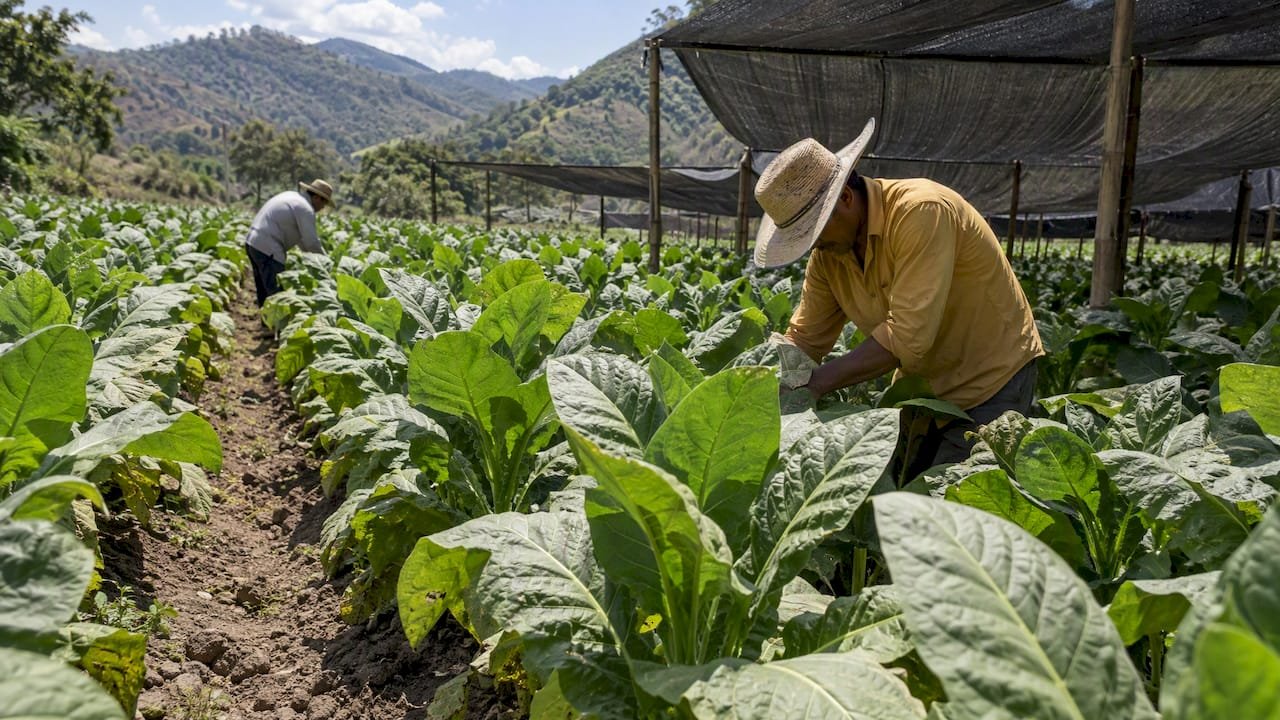
Jamastrán supports several seed types side by side. Pure Corojo lines, Cuban-seed Habano varieties, and Connecticut shade all grow here, with shade leaf destined for wrappers and sun-grown tobacco often finishing as filler.
- Corojo in Jamastrán produces oily, reddish-brown wrapper leaf with a robust, peppery bite, a trait documented in Cigar & Cedar’s reporting on Honduran leaf.
- Connecticut and Cuban-seed wrappers are grown under canvas, while sun-grown filler leaf is cultivated in open fields, a pattern Cigar Journal describes as standard practice in the valley.
- Jamastrán leaf, as a whole, skews peppery and slightly drier than comparable Nicaraguan or Cuban tobacco, much like the distinctive flavors found in premium Honduran coffee.
Jamastrán is considered the principal premium growing region in Honduras, according to Cigar & Cocktail’s regional profile, a distinction that shapes how blenders and retailers market Honduran-origin cigars.
Danlí and El Paraíso: why a factory town matters to the leaf
Danlí is not just a farming center. It hosts large rolling factories and aging warehouses that process tobacco grown within a short drive of the fields, a proximity that Cigar & Cedar frames as part of Honduras’s role as an industry “engine room” supplying leaf and rolling capacity to brands around the world.
That closeness changes how blends come together. Leaf moves from field to fermentation barn to aging room with minimal transit time, which gives blenders more control over moisture and timing during the critical early curing stages.
- Factories near the fields can fine-tune fermentation schedules based on the specific harvest’s condition rather than working with leaf that traveled long distances first.
- Danlí’s scale makes it one of the larger employment centers tied to tobacco in the region, alongside operations like La Flor de Copán, according to the World Bank’s Honduras country profile.
- A cigar band listing “Honduras” as origin can mean the leaf was grown there, rolled there, or both. Buyers who want specifics should ask retailers which applies.
Copán region: western Honduras and the Criollo tradition
Western Honduras, anchored by production centers near Santa Rosa and the La Flor de Copán factory area, grows a different character of leaf than Jamastrán. Criollo 98 dominates here, a dark air-cured variety prized for disease resistance and dense, flavorful leaf structure.
Criollo 98’s resistance to common tobacco diseases makes it a dependable crop in a region with its own rainfall patterns, and the Honduran academic study on tobacco cultivation notes its common use as both wrapper and binder material in habano-style blends.
- Copán tobacco typically carries more body and depth than Jamastrán leaf, making it a frequent choice for binders and fuller fillers.
- Dark air-curing, rather than flue-curing, is the dominant method in the region, which preserves natural sugars and contributes to a rounder, less sharp profile.
- Copán’s output, at roughly 7% of national production, is smaller than Jamastrán’s but fills a specific role in blends that need structure rather than top-note spice.
Talanga Valley: wind management and texture-preserving techniques
Talanga sits in a central highland basin where wind exposure poses a real problem for sun-grown tobacco. Strong gusts can tear leaves and leave mechanical damage that shows up as blemishes on finished wrappers.
Growers address this with encallado, a side-shade tenting method that protects plants while still allowing sun exposure, along with planted grass barriers that break the wind before it reaches the crop. This combination lets Talanga tobacco develop the intensity of sun-grown leaf without the physical damage that unprotected fields would suffer.
- Encallado tents shield plants on the windward side while leaving the canopy open to sunlight.
- Grass barriers planted along field edges slow wind speed before it reaches the tobacco rows.
- The resulting leaf tends toward a fuller body that blenders use to round out lighter Jamastrán or Copán components.
Pro Tip: When a cigar lists Talanga or Comayagua tobacco, expect a fuller-bodied component rather than a delicate top note.
Olancho and other secondary regions: what they add to blends
Olancho and smaller growing pockets in Francisco Morazán round out Honduras’s tobacco map.
Leaf from these secondary regions usually ends up as economical filler or body support rather than as a standalone wrapper or marquee ingredient. Blenders combine it with Jamastrán or Copán tobacco to balance cost, body, and flavor across a finished blend.
- Olancho’s tobacco functions mainly as filler, adding bulk and consistency to blends built around more distinctive regional leaf.
- Francisco Morazán contributes a smaller, comparable share alongside Olancho.
- These regions rarely appear by name on cigar bands, since their leaf typically supports rather than defines a blend’s identity.
How regions shape wrappers, binders, and fillers
Matching region to role makes Honduran cigars easier to read on a shelf. Jamastrán and its Connecticut shade leaf usually supply wrappers, while Copán and Olancho leaf more often fills binder and filler roles.
- Check the wrapper origin first. Jamastrán Corojo or Connecticut shade signals pepper and oil; Copán Criollo signals body and depth.
- Consider the curing method. Dark air-cured leaf from Copán tends toward rounder sweetness, while sun-grown Jamastrán filler leans drier and spicier.
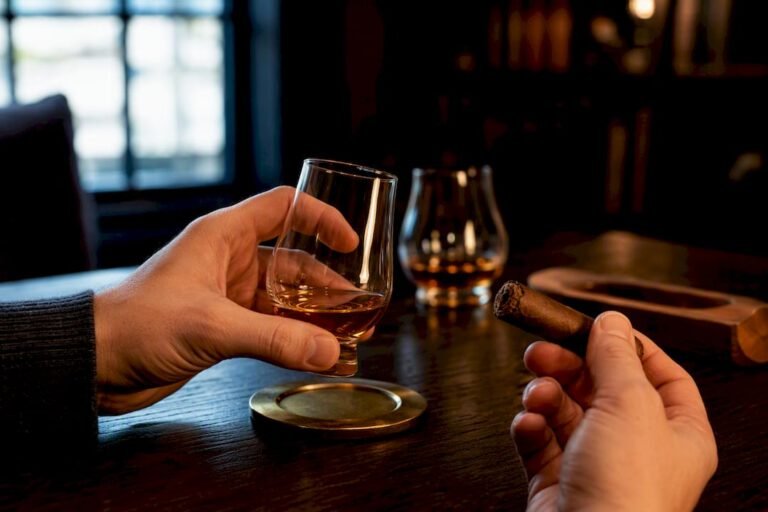
- Match the cigar to a drink. A peppery Jamastrán-forward blend pairs well with a darker-roast coffee, while a Copán-heavy, fuller cigar suits a bourbon with some char.
- Watch the harvest year. Honduran growers plant in January and harvest in April and May, later than Cuban calendars, specifically to sidestep peak blue mold pressure, a timing choice that affects how a given year’s leaf develops.
Around 90% of Honduran cigars ship to the United States market, according to Cigar Cocktail’s industry reporting, which explains why so many familiar American humidor brands carry Honduran leaf somewhere in the blend.
How Honduran cigar regions developed over time
Honduras’s tobacco regions did not develop in isolation. Cuban growers and seed stock arrived in the country following disruptions to Cuba’s own tobacco trade, bringing Corojo and Criollo genetics that took root in Jamastrán and Copán. Over subsequent decades, those transplanted seed lines adapted to local soil and climate, producing leaf that resembles its Cuban ancestry in spice and oil content while developing its own drier, more peppery signature.
Danlí grew from a farming town into a manufacturing center as factories consolidated rolling operations near the fields that supplied them. That consolidation gave Honduras an advantage that purely agricultural regions lack: the ability to control fermentation, aging, and blending close to the source rather than shipping raw leaf elsewhere for processing. Plasencia’s operations near Danlí exemplify that scale, with manufacturing capacity that supplies leaf and finished cigars to brands well beyond Honduras’s own borders, according to Cigar & Cedar’s industry coverage.
This combination of inherited seed genetics and consolidated manufacturing shaped Honduras’s current identity: a country known less for a single flagship style and more for supplying consistent, flavorful leaf that other countries’ cigar industries have come to depend on.
Farming communities behind each growing region
Tobacco farming in Honduras remains a generational trade in most growing valleys. Families in Jamastrán and Copán often work land their parents and grandparents cultivated, passing down curing techniques and planting schedules that account for each valley’s particular wind, rainfall, and soil conditions.
In Talanga, the encallado tenting method reflects this kind of accumulated local knowledge. Building and maintaining shade tents by hand, combined with planting grass windbreaks years in advance of when they are needed, requires the kind of long-term field management that comes from farmers who know a specific valley’s wind patterns intimately rather than from a standardized national playbook.
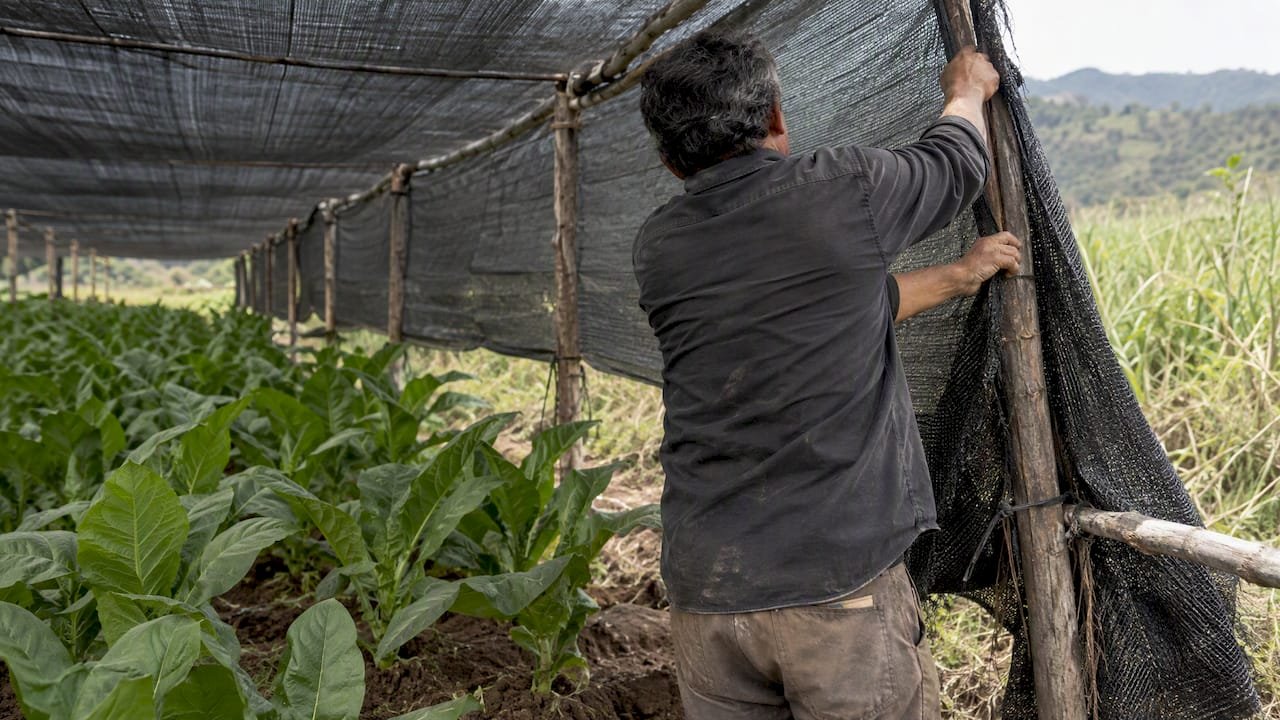
Labor around harvest season draws heavily on these same communities, with timing tied closely to the January planting and April or May harvest window that growers use to avoid peak blue mold conditions. That calendar is itself a piece of accumulated local knowledge, refined over years of adjusting against Cuba’s earlier planting schedule.
The result is a tobacco sector where regional identity is tied as much to the people who farm specific valleys as to the soil itself, with techniques like encallado and dark air-curing surviving because local farmers kept using them.
Flagship cigars and brands tied to each region
Camacho and several other producers built their reputation on Jamastrán leaf, drawing on the valley’s Corojo and Connecticut shade tobacco for wrappers, according to Cigar & Cocktail’s Honduras profile. Plasencia’s manufacturing operations near Danlí process both company-grown and contracted leaf into cigars sold under multiple brand names, reflecting how much of the industry’s output flows through a small number of large facilities.
La Flor de Copán, the factory and brand tied to western Honduras, represents the Criollo-driven, dark air-cured side of the country’s output, built around the body and depth that Copán tobacco contributes to blends.
For smokers who want to try a specific regional expression without digging through origin paperwork, a Havana-seed cigar like the Tabernacle Havana Seed Toro offers a tangible example of how seed lineage shows up in a finished smoke. Boutique releases, including options like The Squid from Artesano Del Tobacco, also draw on Honduran-seed tobacco while presenting it through a smaller, independent lens rather than a large factory brand.
How Honduran regions compare to other cigar countries
Honduran leaf occupies a specific niche relative to Nicaragua and Cuba. Where Nicaraguan tobacco, particularly from Estelí, often reads sweeter and more layered, and Cuban leaf carries its own distinct terroir tied to Pinar del Río’s soil, Honduran leaf trends drier and more consistently peppery across its major valleys, a contrast Cigar & Cocktail’s regional comparison draws explicitly.
Part of this difference comes down to role rather than prestige. Honduran tobacco frequently works behind the scenes, supplying filler and wrapper leaf to cigars that get rolled and marketed under origin stories tied to other countries. Its strength lies in dependable, spicy leaf rather than in origin-based marketing the way Cuban tobacco commands.
That said, Jamastrán’s premium wrapper leaf and Copán’s structured Criollo give Honduras its own identifiable fingerprint among smokers who look past the band. The country’s dual role, growing leaf and rolling finished cigars at scale, also sets it apart from countries that focus primarily on one side of the supply chain.
Climate pressures facing Honduran tobacco farms
Honduran growers already manage their calendars around disease risk, and that risk window intersects with broader climate variability. Planting in January and harvesting in April or May was adopted specifically to reduce exposure to peak blue mold conditions, according to Cigar Aficionado’s reporting on Honduran growing cycles, a timing strategy that leaves less room for error if rainfall patterns shift unpredictably.
Valleys like Talanga, where wind management through encallado tenting already requires careful seasonal planning, face added pressure if wind patterns or rainfall timing become less predictable from year to year. Shifts in humidity during the growing season can also affect fermentation outcomes once leaf reaches the curing barn, since the entire process depends on consistent, controllable conditions.
Honduras’s tobacco regions have adapted before, shifting planting calendars away from Cuba’s traditional schedule to manage disease pressure. That same adaptability likely remains the primary tool growers have for managing whatever climate shifts affect rainfall, wind, or disease pressure in the years ahead.
Harvesting and curing steps that define Honduran leaf
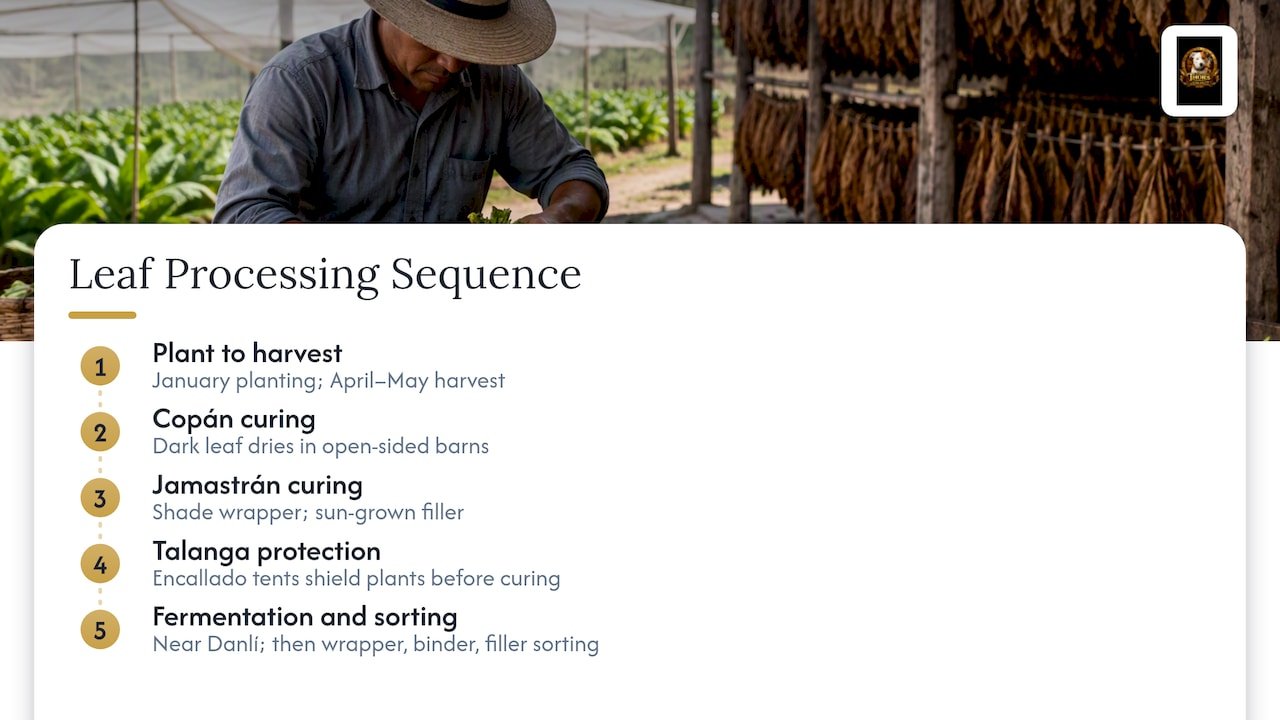
Honduran tobacco follows a calendar built around disease avoidance. Growers plant in January and harvest in April and May, a schedule shifted later than Cuba’s to reduce exposure to blue mold, according to Cigar Aficionado.
Once harvested, curing method depends on the leaf’s intended role. Dark air-cured tobacco, dominant in Copán, hangs in open-sided barns where natural airflow slowly dries the leaf, preserving sugars and building body over weeks. Jamastrán’s shade-grown wrapper leaf and sun-grown filler each follow somewhat different timelines, with shade leaf generally requiring more careful handling to avoid tearing the thinner wrapper-grade leaves.
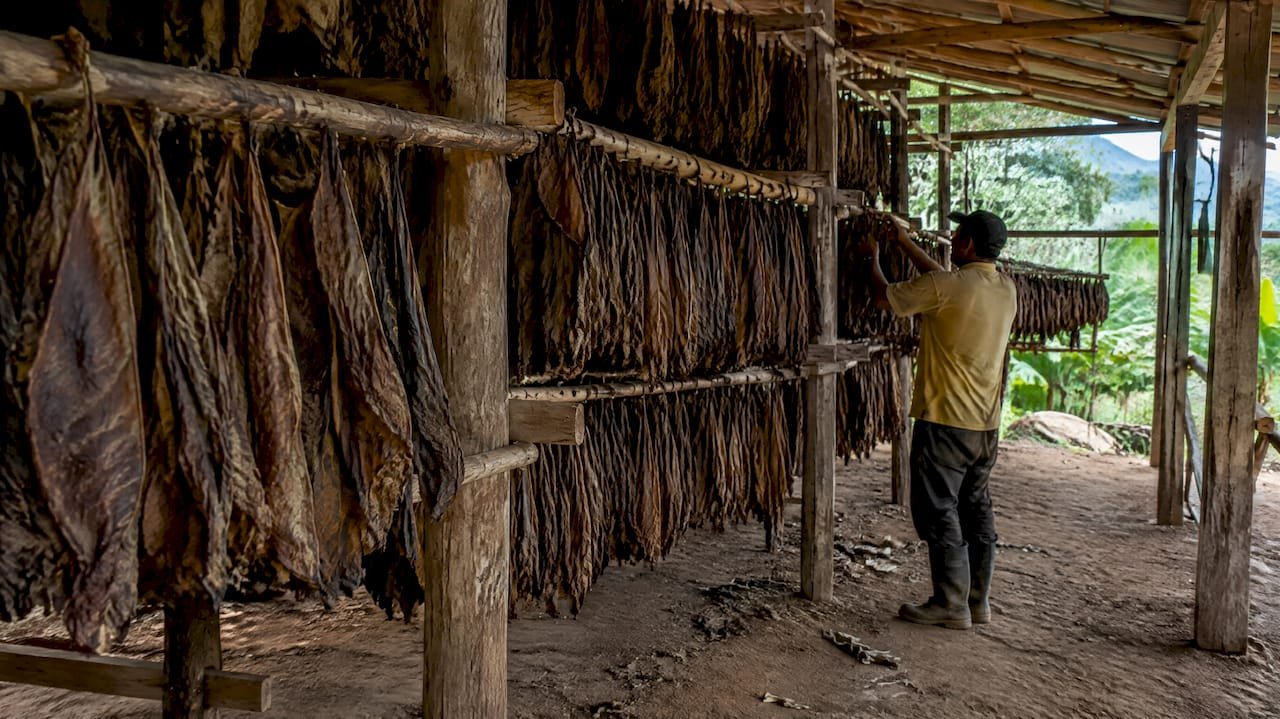
Talanga’s encallado method adds a layer before curing even begins: side-shade tents protect growing plants from wind damage so the leaf reaches harvest without the tears or blemishes that would otherwise mark sun-grown tobacco in that valley.
After curing, fermentation in aging rooms, often located near Danlí’s factories, further develops flavor and reduces harshness before leaf gets sorted for wrapper, binder, or filler use. This proximity between fields, curing barns, and fermentation rooms is part of what gives Honduran producers tighter control over the final character of their leaf.
Reading a “Honduran” label: what collectors should expect
“Honduran” on a band can mean wrapper origin, filler origin, or simply where a cigar was rolled. Ask retailers which applies before buying. We provide pairings of Honduran-origin offerings with region and seed notes so you can understand the characteristics, and staff can explain differences, such as those between Jamastrán wrappers and Copán filler blends.
— Kevin
Find curated Honduran-forward cigars at Thor’s Cigar Vault
Our cigar collection features a selection of rare and limited-run blends, including Honduran-seed options from boutique makers and established names alike. New to the regional differences covered above? Our sampler packs let you taste Jamastrán, Copán, and Talanga characteristics side by side before committing to a full box.
- First-time customers may receive a discount on their initial order when they sign up for updates.
- Browse limited releases for boutique Honduran-seed blends in short supply.
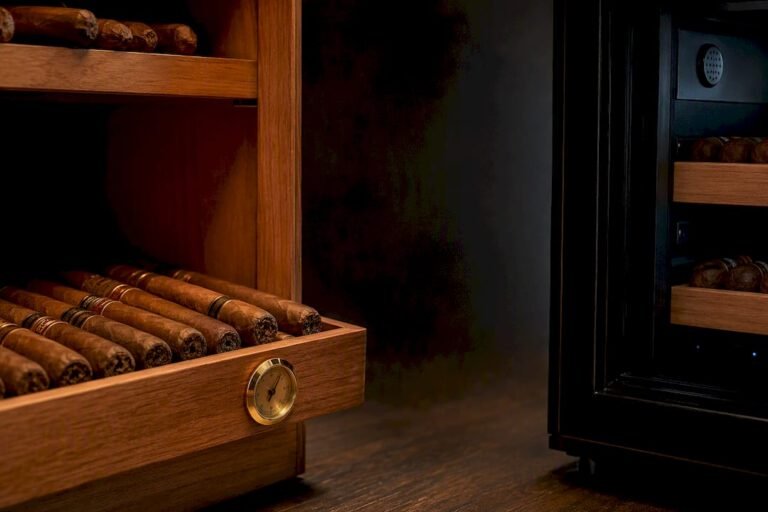
- Pair your cigars with proper storage using our humidors and other accessories.
Ready to taste the difference soil and seed make? Visit our cigar category page and start with a sampler built around Honduran regional profiles.
FAQ
Does Honduras have good cigars?
Yes, Honduras produces widely respected premium cigars, with Jamastrán recognized as its principal premium growing region. Honduran leaf is known for a peppery, slightly drier profile that distinguishes it from Nicaraguan or Cuban tobacco.
What is the 135 rule for cigars?
This term does not correspond to a documented or widely recognized standard within Honduran tobacco growing or cigar classification. If you encountered this phrase in a specific context, it likely refers to something outside established regional or industry terminology covered here.
What are white Hondurans called?
This phrase is not a standard term used in Honduran tobacco classification or regional cigar terminology. Honduran tobacco varieties are more commonly identified by seed type, such as Corojo, Criollo 98, or Connecticut shade, rather than by a “white Honduran” label.
Is Honduras the poorest country in Latin America?
Honduras had a poverty rate of 62.9% in 2024, according to the World Bank’s country profile, a figure that reflects significant economic hardship nationally. Tobacco and cigar manufacturing, including factories like La Flor de Copán, remain important regional employers within that broader economic picture.
Sources
- World Bank Honduras country profile
- Zamorano digital repository — Honduran tobacco study (APROTABACOH / academic report)
- Tabak Provenienz: Honduras | Cigar Journal
- Honduras: The Jamastran Foundation — Cigar & Cocktail Magazine
- Honduras — Quiet Power | Cigar & Cedar