Taste Ecuador’s Cloud Cover Advantage: 3 Ecuadorian Cigar Wrappers
Ecuador built its reputation on wrapper leaf, not filler. The three families every smoker should know are Ecuador Habano, Ecuador Connecticut Shade, and Ecuador Sumatra, each with its own color, oil, and flavor signature. This guide breaks down what separates them, why Ecuador’s growing conditions produce leaf this consistent, and what to check before you buy a box or a hand of leaf.
TL;DR:
- Ecuadorian Habano wrappers are deep reddish brown, oily, and display minimal veins, offering rich black pepper, cedar, and a lingering sweet finish.
- Ecuador Connecticut Shade produces pale, smooth, and mild wrappers with flavors of toasted bread and hay, providing a cost-effective alternative to U.S. Connecticut.
- Ecuador Sumatra has darker reddish-brown tones, a rougher texture, and a profile featuring earthier, spicier flavors compared to Habano and Connecticut Shade.
- Wrapper quality depends on the fermentation stage and storage conditions, with pre-light signs like suppleness and oiliness indicating better performance in burn and flavor.
- Climate and shade-grown methods give Ecuadorian wrappers a cost advantage and environmental benefit over other regions like the Dominican Republic, Nicaragua, or Cameroon.
Table of Contents
- What Makes Ecuadorian Cigar Wrappers So Consistent?
- Habano, Connecticut Shade, or Sumatra: Which Wrapper Fits Your Taste?
- Does the Wrapper Really Change How a Cigar Tastes?
- How Do You Buy Ecuadorian Wrapper Leaf or Cigars?
- History and Origin of Ecuadorian Cigar Wrappers
- How Does Ecuador Compare to Connecticut and the Dominican Republic?
- What Threatens Ecuadorian Wrapper Crops?
- Is Ecuadorian Wrapper Tobacco Farming Sustainable?
- Thor’s Cigar Vault’s Take on Ecuadorian Wrapper Cigars
- Ready to Try Ecuador’s Wrapper Styles Yourself?
- Sources
- FAQ
What Makes Ecuadorian Cigar Wrappers So Consistent?
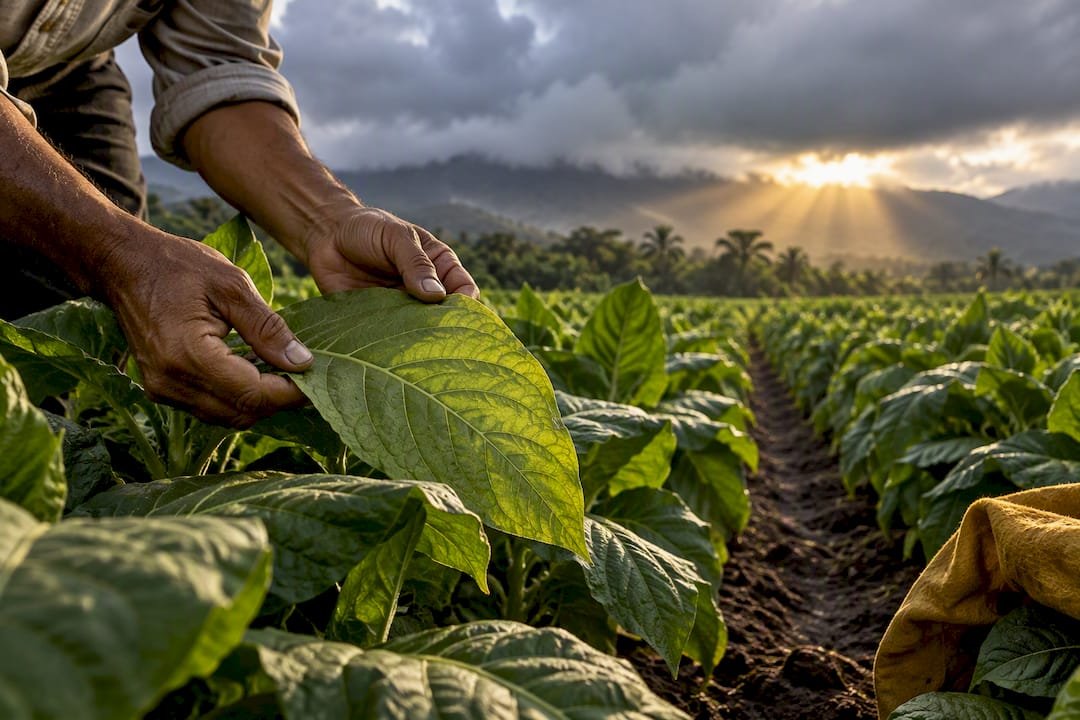
Ecuador’s Los Ríos region sits under near constant cloud cover, which filters sunlight the way a shade tent does, only for free. Growers get the thin, elastic, low-vein leaf that shade-grown tobacco is prized for, without the labor and material cost of building and maintaining cheesecloth tents over entire fields. That single geographic quirk is why Ecuador became what one industry publication calls the wrapper specialist of the cigar world rather than a filler or binder region.
Seed selection matters just as much as climate. Farmers there grow Cuban seed (often called Havana 2000), Sumatra strain tobacco, and Connecticut varietals, each adapted to Ecuadorian soil over decades of crossbreeding.
Processing turns raw leaf into wrapper-grade stock:
- Freshly cut leaf gets an initial light fermentation, called sweating, at the collecting warehouse.
- A second, more controlled fermentation follows at a processing facility, sometimes as far away as Nicaragua.
- Graders then sort finished leaf into tiers by color uniformity and texture, and anything that misses the top grades gets sold off as binder instead of wrapper.
Pro Tip: Ask a seller which fermentation stage the leaf went through and where. Leaf sweated once and never fully fermented a second time tends to smoke harsher and burns less evenly.
Habano, Connecticut Shade, or Sumatra: Which Wrapper Fits Your Taste?
Each Ecuadorian wrapper type reads differently in the hand and smokes differently in the mouth. Here’s how to tell them apart before you even light up.
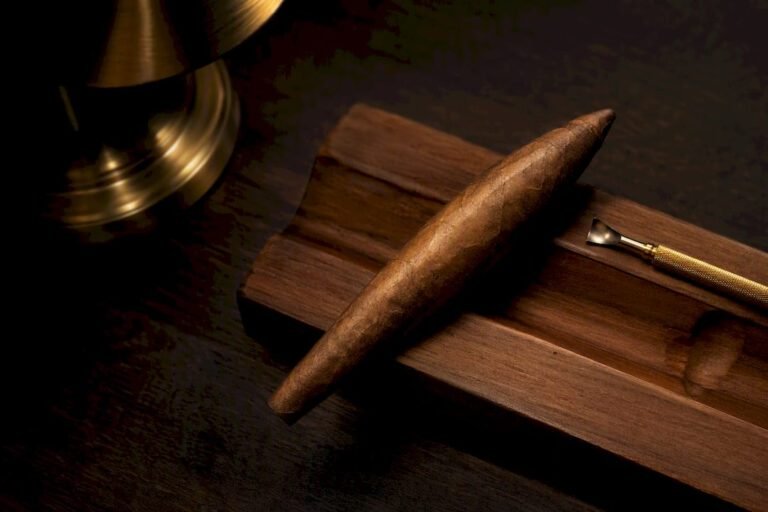
Ecuador Habano traces back to Cuban seed and shows up oily, velvety, and often a deep reddish brown with minimal visible veins. Cigar maker José “Pepin” Garcia praised Oliva’s Ecuador Havana wrapper specifically for that thick, rich, oily structure, calling it among the best wrapper leaf available. Flavor runs toward black pepper, cedar, and a sweet finish that lingers past the retrohale. Because it burns evenly and pairs well with almost any binder or filler combination, Habano has become the default wrapper choice for a huge share of premium and boutique blends on the market today.
Ecuador Connecticut Shade grows under actual shade tents using Connecticut varietal seed, producing the same pale tan, almost blonde leaf associated with the Connecticut River Valley. The flavor is mild, creamy, and often sweet, think toasted bread and a touch of hay rather than pepper or spice. The real story here is price: Ecuadorian Connecticut Shade delivers a comparable flavor profile to U.S. grown Connecticut Shade at a noticeably lower cost, which is why so many mild, entry-level cigars lean on it instead of the American original.
Ecuador Sumatra comes from the Quevedo growing region, where a strain developed from a 1967 cross of Cuban and Sumatra tobacco by grower Jose Aray became the foundation of Ecuadorian Sumatra tobacco as it’s known today. Color tends darker than Connecticut Shade, often reddish brown to chocolate, with a rougher tooth (the slightly bumpy surface texture some wrappers show) and a profile that’s earthier and spicier than either Habano or Connecticut Shade.
Quick identification cues:
- Habano: oily sheen, reddish brown, minimal veins, pepper and cedar notes.
- Connecticut Shade: pale tan, smooth and thin, creamy and mild.
- Sumatra: darker reddish brown, visible tooth, earthy and peppery.
Does the Wrapper Really Change How a Cigar Tastes?
Wrapper contributes overtones and top notes, but it isn’t running the show. Strength and body come primarily from the filler and binder tobaccos underneath, while the wrapper adds accents, sweetness, pepper, cream, cedar, that you notice most in the first third of the smoke and on the retrohale.
Ring gauge matters more than most smokers realize. A thin cigar, say a 38 ring gauge lancero, exposes proportionally more wrapper leaf relative to the filler inside it, so the wrapper’s flavor signature comes through stronger. A fat 60 ring gauge gordo dilutes that same wrapper’s influence across a much larger core of filler tobacco.
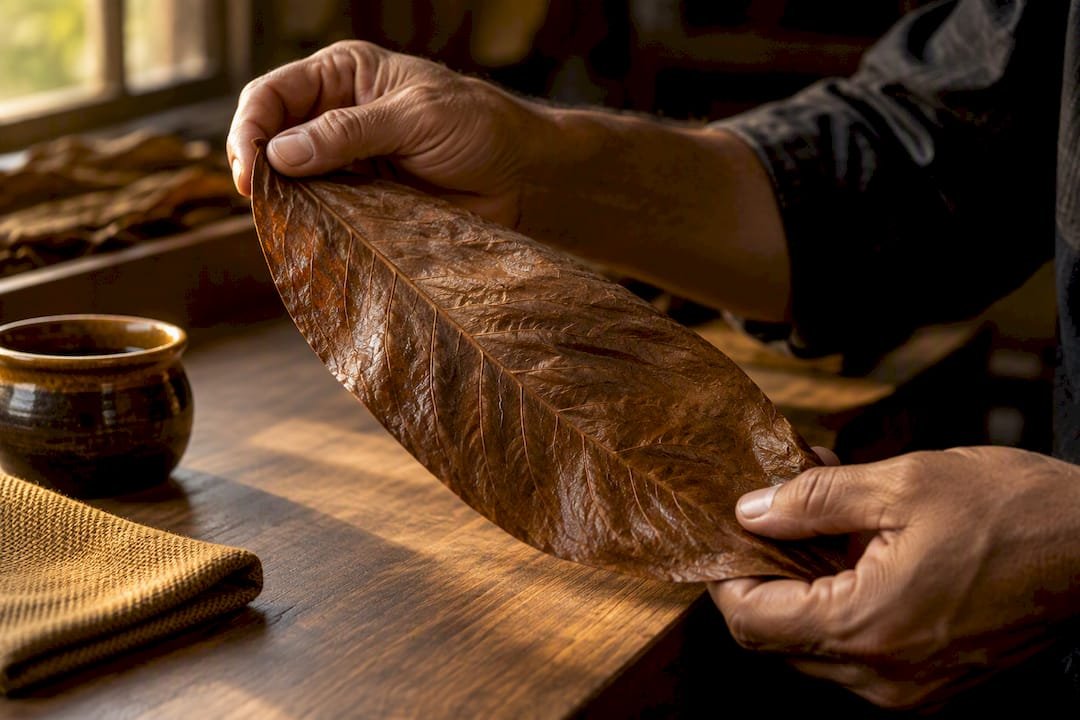
Before lighting up, check the leaf itself. Suppleness, oiliness, and an absence of blemishes are reliable pre-light signs of quality, and they roughly predict how the wrapper will behave in the burn. A dry, cracking wrapper rarely smokes clean regardless of what’s inside it.
One naming trap worth knowing: “Connecticut” on a band can mean Connecticut Shade (pale, mild) or Connecticut Broadleaf (dark, thick, sometimes sun grown for maduro wrappers). They taste nothing alike, so don’t assume based on the word alone.
How Do You Buy Ecuadorian Wrapper Leaf or Cigars?
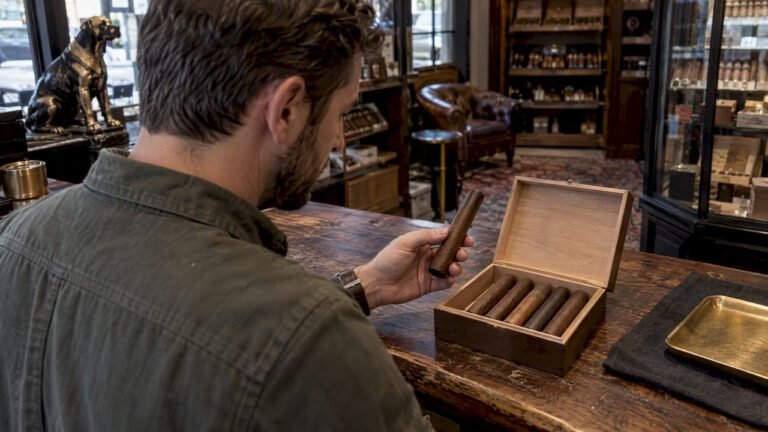
Buying loose leaf makes sense if you roll your own, repair a torn wrapper, or collect leaf by seed variety and harvest year. Finished cigars make more sense for almost everyone else, since a rolled cigar has already been blended, aged, and quality checked by people who do it for a living.
- Decide your use case first. Leaf buyers should look for tobacco brokers and specialty leaf retailers; cigar buyers should stick to reputable cigar shops that disclose wrapper origin on the band or product page.
- Expect price to track grade and cloud economics. Ecuador’s shade-like leaf at sun-grown cost is exactly why boutique cigars using Ecuadorian wrappers frequently land in the $13 to $20 per stick range, delivering wrapper character that older pricing models charged considerably more for.
- Ask sellers direct questions: seed or strain, harvest year, grade tier, and storage humidity. A seller who can’t answer these probably doesn’t know their own inventory well.
- Request a sample before committing to a box or a pound of leaf whenever that’s an option.
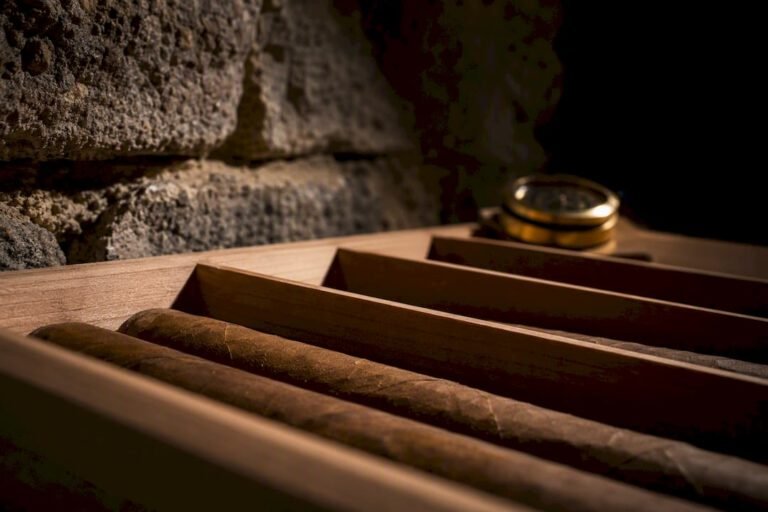
- Store leaf and cigars at 65 to 70 percent relative humidity, and reject anything that smells musty or feels brittle rather than pliable. Both are signs of poor storage or mold.
Pro Tip: A cigar priced dramatically below the $13 to $20 boutique range using an “Ecuadorian wrapper” claim is worth a second look. It may be a lower binder-grade leaf being marketed as full wrapper quality.
History and Origin of Ecuadorian Cigar Wrappers
Ecuador wasn’t always a wrapper powerhouse. For much of the 20th century it was a minor player, known mostly for domestic tobacco rather than export-grade leaf. That changed as Cuban seed migrated out of Cuba after 1959 and growers around the world experimented with where else Habano-type tobacco could thrive.
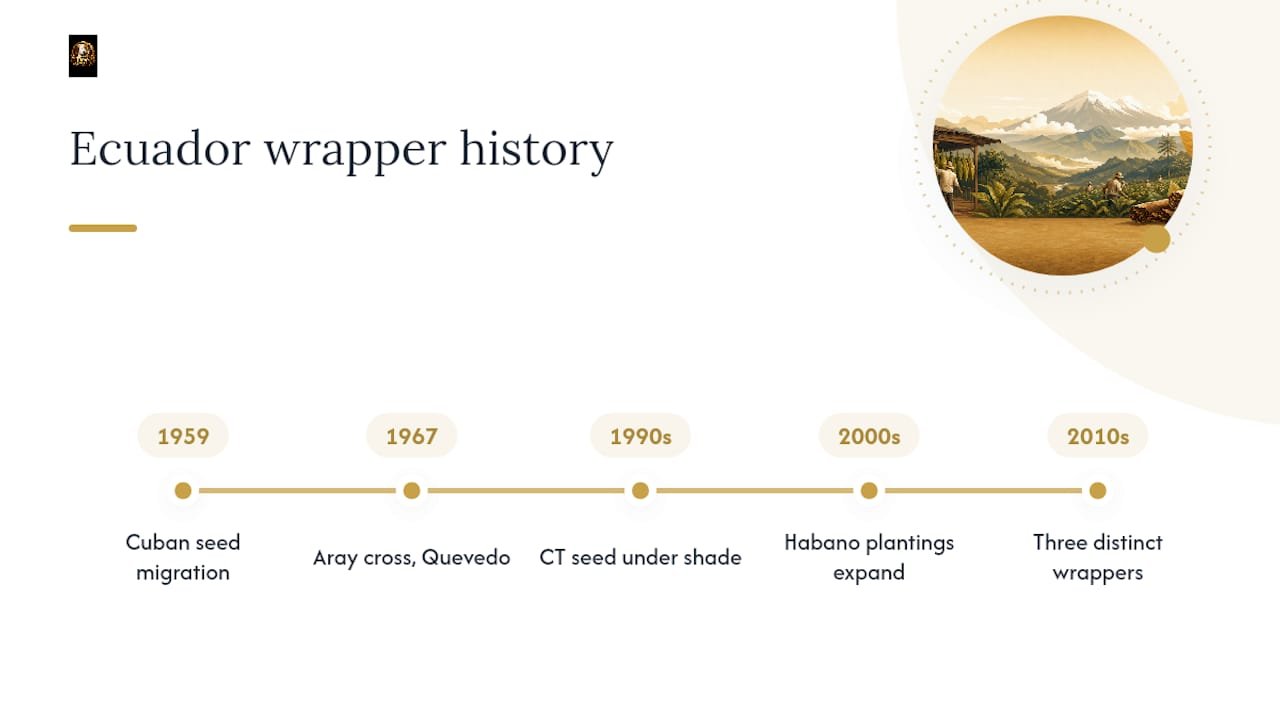
Ecuador’s Los Ríos and Quevedo regions turned out to be nearly ideal, not because of soil alone but because of that persistent cloud layer nobody had to build or pay for. By the 1990s, growers were planting Connecticut seed under actual shade tents and getting results close to the real Connecticut River Valley, at a fraction of the cost.
The 1967 cross of Cuban and Sumatra tobacco by grower Jose Aray in Quevedo created what eventually became Ecuadorian Sumatra, a distinct strain rather than a simple import of Indonesian Sumatra seed. That breeding work, combined with the Habano seed adoption happening elsewhere in the country, gave Ecuador three separate wrapper identities within a few decades.
By the 2000s and 2010s, major manufacturers like Oliva had expanded their Ecuador Havana plantings significantly, and boutique brands followed, chasing the same combination of quality and cost that had made the region attractive in the first place. Ecuador went from an afterthought to the wrapper source premium and boutique cigar makers reach for first.
How Does Ecuador Compare to Connecticut and the Dominican Republic?
Connecticut River Valley Shade remains the benchmark for pale, mild, sweet wrapper leaf, and it commands a premium price because of high land and labor costs in the northeastern United States, plus genuinely limited acreage. Ecuadorian Connecticut Shade gets remarkably close on flavor using the same varietal seed, but does it at lower cost thanks to that natural cloud cover replacing artificial shade tents.
Dominican wrapper tobacco, particularly Dominican Criollo and Piloto Cubano leaf, tends to run sweeter and less oily than Ecuadorian Habano, with a milder pepper note. Dominican growing conditions favor filler and binder tobacco more than distinctive wrapper leaf, which is part of why the country built its reputation on blending rather than wrapper specialization.
Cameroon and Nicaraguan wrapper leaf sit in yet another category, Cameroon known for a distinctive tooth and spice, Nicaraguan Habano and Corojo wrappers known for bold pepper and earth. None of these regions replicate what Ecuador does with cloud-filtered light, which is the real differentiator. Growers elsewhere either pay for shade tents or grow sun-grown leaf with a heavier, thicker profile. Ecuador’s climate gives it a structural cost advantage that shows up directly in retail pricing on Ecuador-wrapped boutique cigars.
The practical takeaway for buyers: if you want Connecticut-style mildness without the Connecticut price tag, Ecuadorian Shade is the closer substitute. If you want Cuban-style pepper and cedar, Ecuador Habano gets you there more reliably than most Nicaraguan or Dominican alternatives at a comparable price point.
What Threatens Ecuadorian Wrapper Crops?
Wrapper tobacco is thin skinned by design, which makes it more vulnerable to disease and pests than thicker filler leaf. Blue mold and black shank are the two fungal threats growers watch most closely, both capable of wiping out a field fast in humid, cloud covered conditions that otherwise favor wrapper quality.
Tobacco mosaic virus remains a persistent risk as well, spread by contaminated tools and hands rather than insects, which means strict field hygiene matters as much as pesticide use. Aphids and whiteflies are the more common insect pests, feeding on leaf undersides and sometimes transmitting viral disease in the process.
Growers manage these risks through crop rotation, resistant seed varietals bred over generations, and careful field sanitation, washing tools between plants, controlling foot traffic through wrapper rows, and removing infected plants immediately rather than hoping they recover. Because wrapper leaf shows every blemish, growers have less margin for disease damage than filler farmers do. A leaf with visible blue mold scarring simply can’t be sold as top-grade wrapper, so disease management in Ecuador is really quality control by another name.
Is Ecuadorian Wrapper Tobacco Farming Sustainable?
Ecuador’s cloud-cover growing method has a genuine environmental upside that rarely gets mentioned alongside its cost advantage. Growers skip the material and energy footprint of building and maintaining shade tents, no cheesecloth, no wooden or metal tent frames, no ongoing tent replacement, because the atmosphere does that job for free.
That said, tobacco farming anywhere carries land-use and water pressures, and Ecuador is no exception. Wrapper tobacco is a demanding crop, requiring careful irrigation and soil management to keep leaf thin and blemish free, and continuous cultivation on the same plots can deplete soil nutrients over time without rotation.
Smaller family farms across Los Ríos and Quevedo have historically relied on crop rotation between tobacco seasons and other food crops, a practice that both restores soil and diversifies farm income. That approach tends to be more sustainable long term than continuous monoculture, though the pressure to maximize wrapper output on prime cloud-covered acreage is real and growing as demand for Ecuadorian leaf increases.
Thor’s Cigar Vault’s Take on Ecuadorian Wrapper Cigars
We look for provenance and grade first, oily consistency, clean color, minimal veining, before a cigar earns a spot in our catalog. Our curated samplers exist because Ecuador’s three wrapper types genuinely taste different, and the fastest way to find your favorite is trying them side by side with staff guidance, not guessing from a band alone.
— Kevin
Ready to Try Ecuador’s Wrapper Styles Yourself?
Reading about oily Habano and creamy Connecticut Shade only gets you so far. The fastest way to know which one you actually prefer is to smoke them side by side, and that’s exactly what a curated sampler is built for.
Thor’s Cigar Vault stocks Ecuador-seed and Ecuador-wrapped cigars across our cigars category, our samplers, and our limited releases for collectors chasing harder-to-find wrapper leaf. If you’re new to Ecuadorian Habano-seed profiles specifically, a Havana-seed offering like the Foundation The Tabernacle Havana Seed Toro is a solid entry point, and our staff can walk you through how it compares to Connecticut Shade or Sumatra before you commit to a full box. Browse the shop and start with a sampler.
Sources
Cigar Aficionado, Cigar & Cocktail Magazine, and Cigarista informed this guide.
- Ecuador’s hot wrapper — Cigar Aficionado
- Ecuador: The Wrapper Specialist — Cigar & Cocktail Magazine
- Cigar Wrapper Types: Color Chart & Flavor Guide · Cigarista
FAQ
What Are the Best Ecuadorian Habano Wrapper Cigars?
Look for oily, reddish brown leaf with minimal visible veins, the same qualities José “Pepin” Garcia praised in Oliva’s Ecuador Havana wrapper. The best examples burn evenly, show consistent color across the whole cigar, and deliver pepper and cedar notes without harshness.
What Is the Best-Tasting Cigar Wrapper?
There’s no single best wrapper, it depends on whether you want mild and creamy or spicy and bold. Ecuador Connecticut Shade suits smokers who prefer mild and sweet, while Ecuador Habano and Sumatra suit those chasing pepper, cedar, and earthy depth.
What Are the Four Main Types of Cigar Wrappers?
The four broad categories most guides reference are Connecticut Shade, Habano, Sumatra, and Maduro or Broadleaf. Ecuador is a major producer of the first three, with Connecticut Shade, Habano, and Sumatra representing distinct flavor and color axes that smokers use to predict a cigar’s profile before lighting up.
What Is a Corojo Wrapper?
Corojo is a wrapper varietal originally developed in Cuba, now grown mainly in Honduras and Nicaragua, known for a reddish brown color and a spicier, more robust flavor than Connecticut Shade. It’s a different seed lineage from Ecuador’s Habano, Connecticut, and Sumatra varietals, though all four get grouped under the broader wrapper category smokers compare when choosing a cigar.